Wherever you are on the journey, you belong here
Help shape what researchers study next
Macquarie University is asking children, families, and professionals worldwide which Perthes research questions matter most. We're helping share this independent study.
What is Perthes disease?
Perthes is a rare hip condition that mostly shows up in young kids. For a while, the top of the thigh bone doesn't get enough blood, so it softens and then slowly rebuilds itself. It almost always affects just one hip (though in some cases, both), and with the right care, most children get back to running and playing. There's still no known cause and no cure yet — but research is moving forward, and most kids heal well over time.
It's also hard. Perthes can be genuinely painful — and emotionally tough — and most kids have to step away from running, jumping, and the sports they love for the years it takes to move through its four healing stages. That's exactly why community, support, and honest information matter so much.
The typical age when Perthes first appears in a child.
Boys are affected far more often than girls.
Necrosis, fragmentation, reossification, and healing.
Most kids heal just fine — resulting in a normal hip and a return to daily activities after treatment.
Every case is different. Hip damage can bring pain or arthritis into adulthood, and sometimes a hip replacement.
What we do
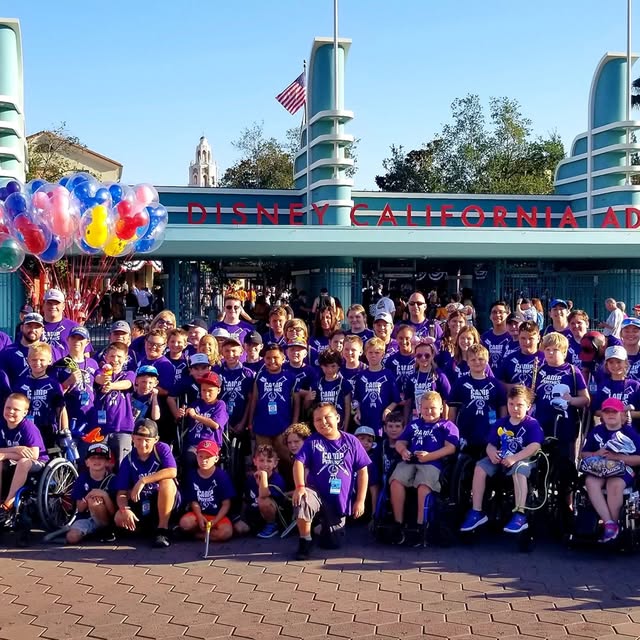
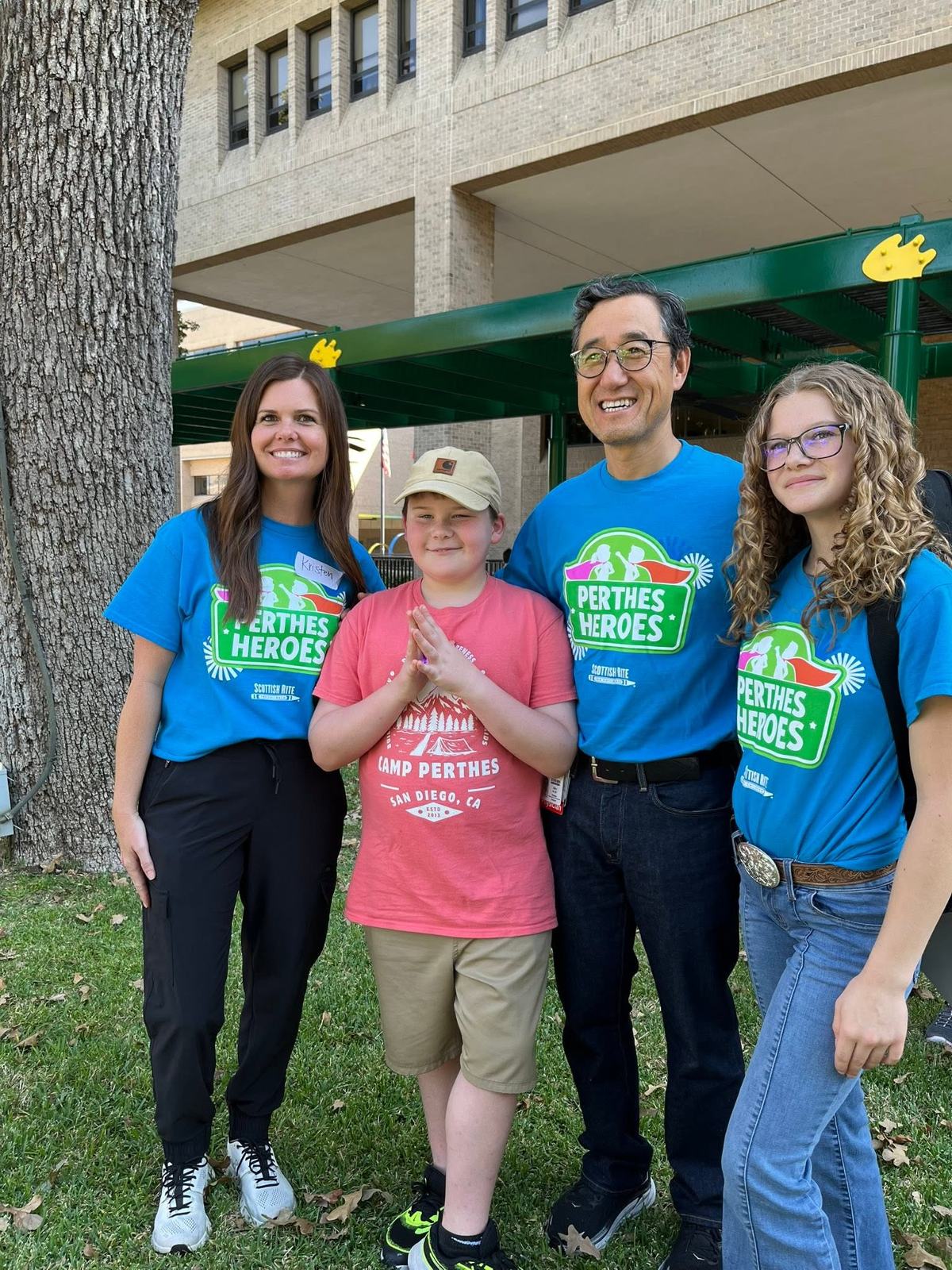
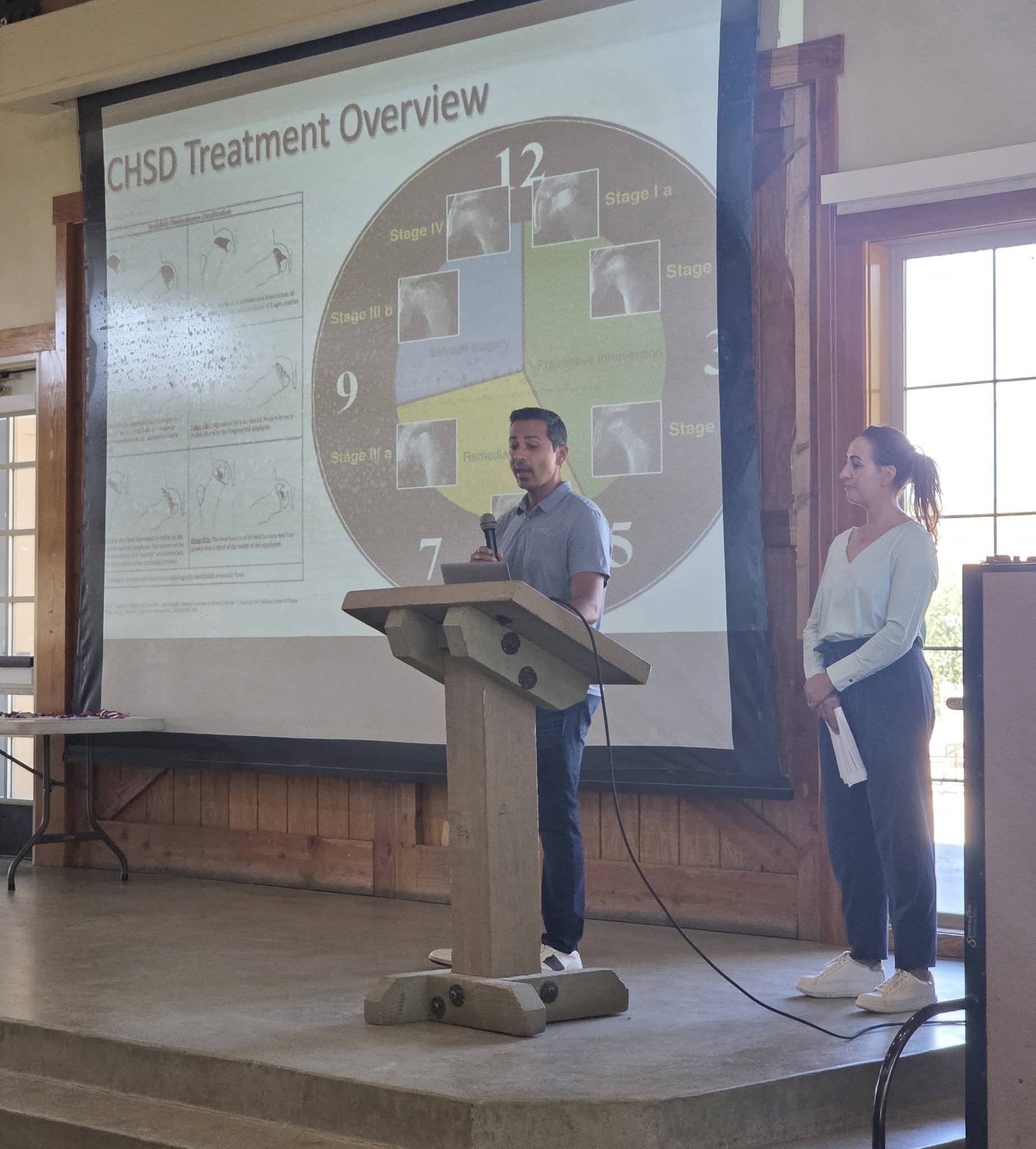
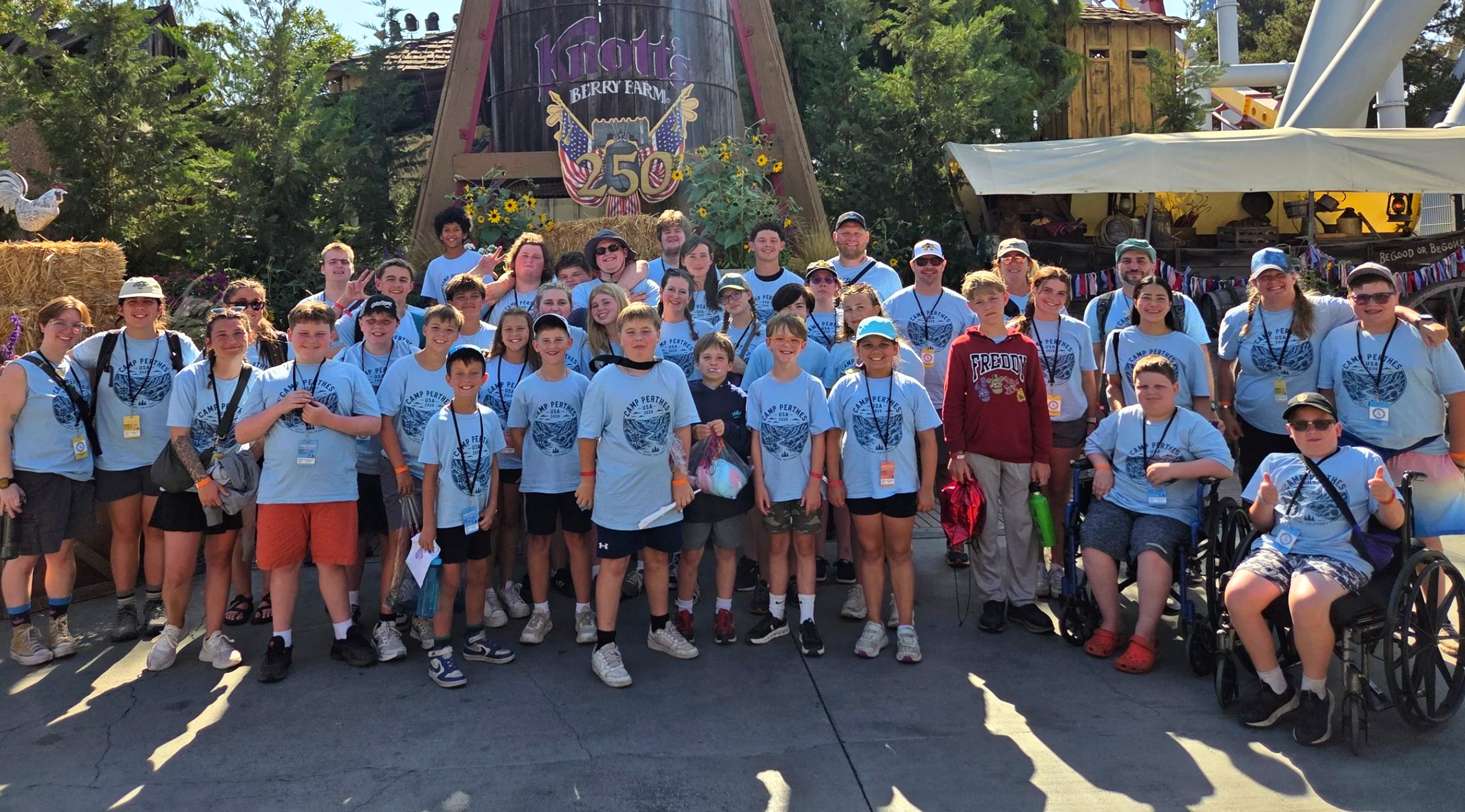
What we've done together
In their words
"Thanks to PKF our son has met lifelong friends who are just like him. I don't know if you'll ever understand what a huge difference you made in both our lives."
"If you have Perthes, don't ever give up on yourself. You can climb any mountain if you've got the guts. Keep up the fight!"
"I discovered this wasn't just a connection for my son, but for our whole family. I love our Perthes family!"
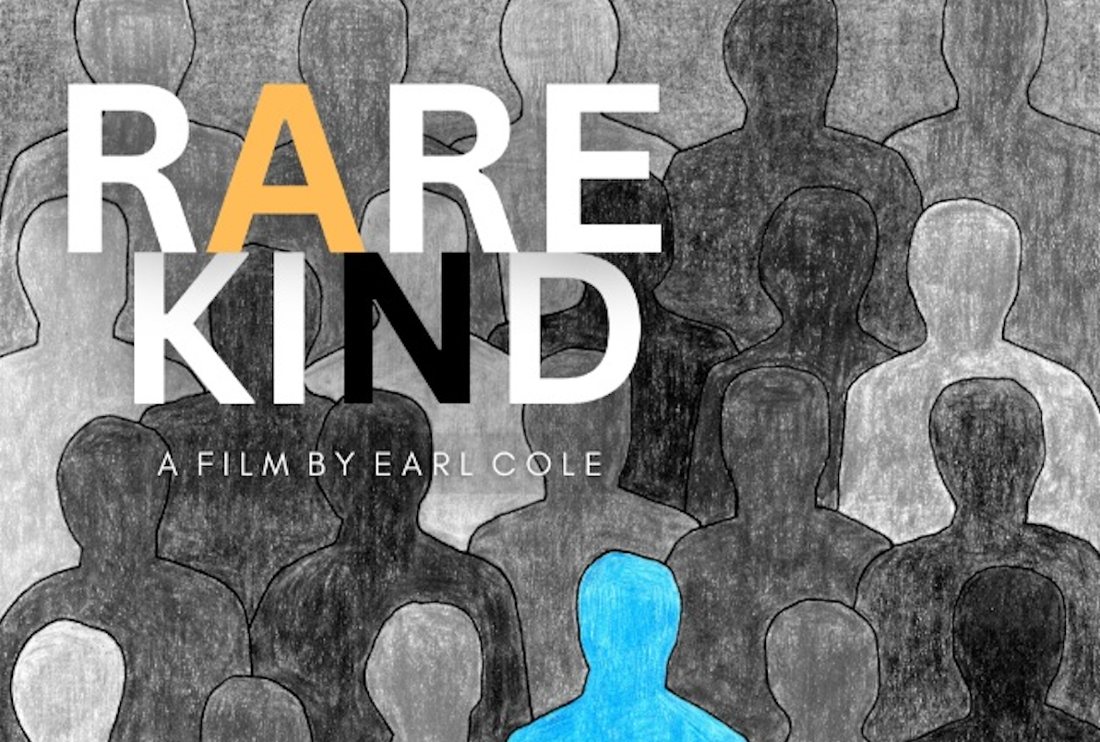
Rare Kind
the Perthes documentary
A moving short film following children and families through the Perthes journey — an honest, hopeful origin story, down to the bone. Directed by our founder, Perthes survivor and CBS Survivor: Fiji winner Earl Cole, and cut by a two-time Emmy-winning editor.
Every Perthes kid is a superhero
Tap the button and discover your secret hero name.
Real kids. Real heroes. Real fun.
Behind every diagnosis is a child who still deserves adventure — and a worldwide family of volunteers, parents, and friends who show up for each other.
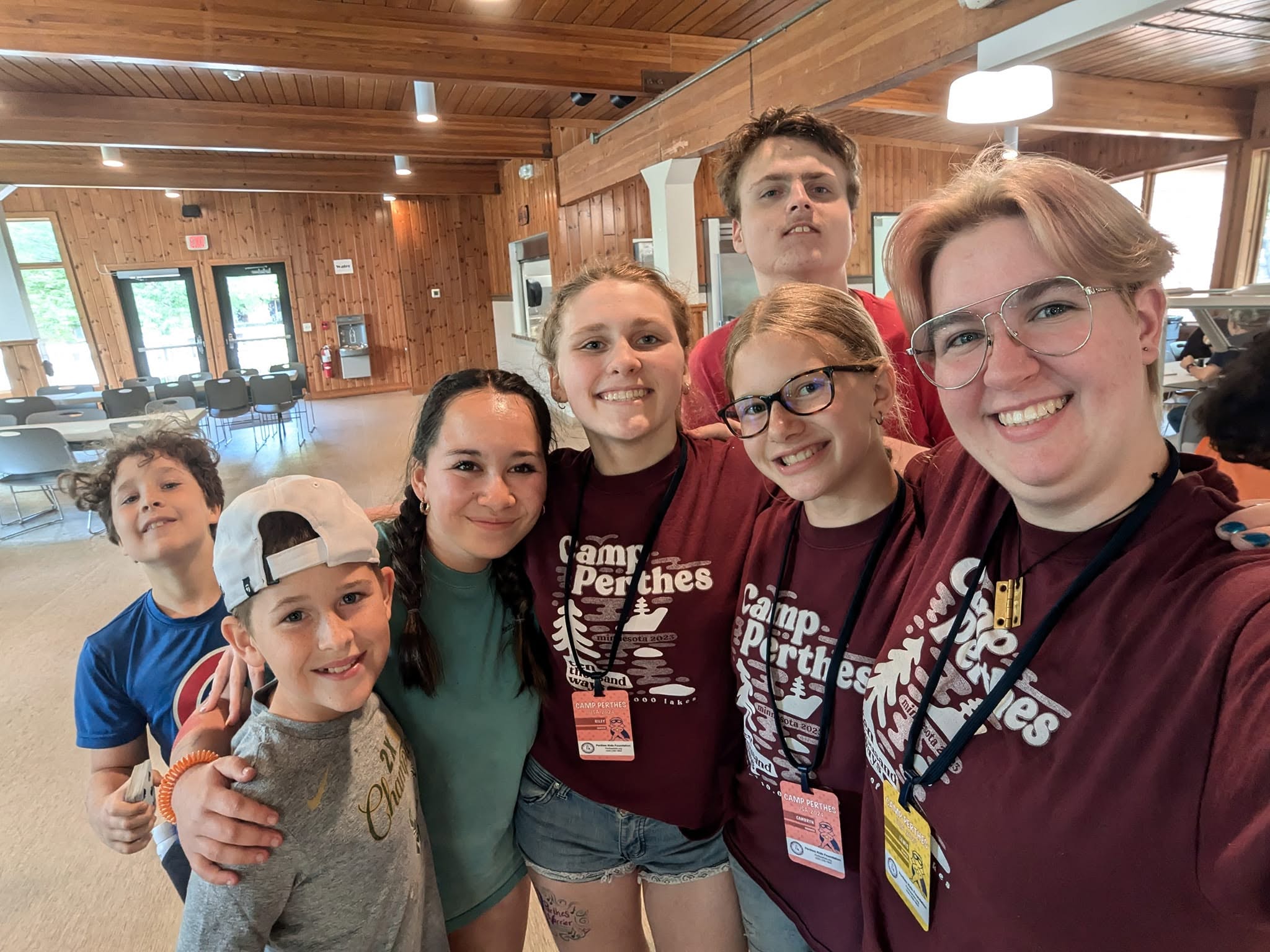
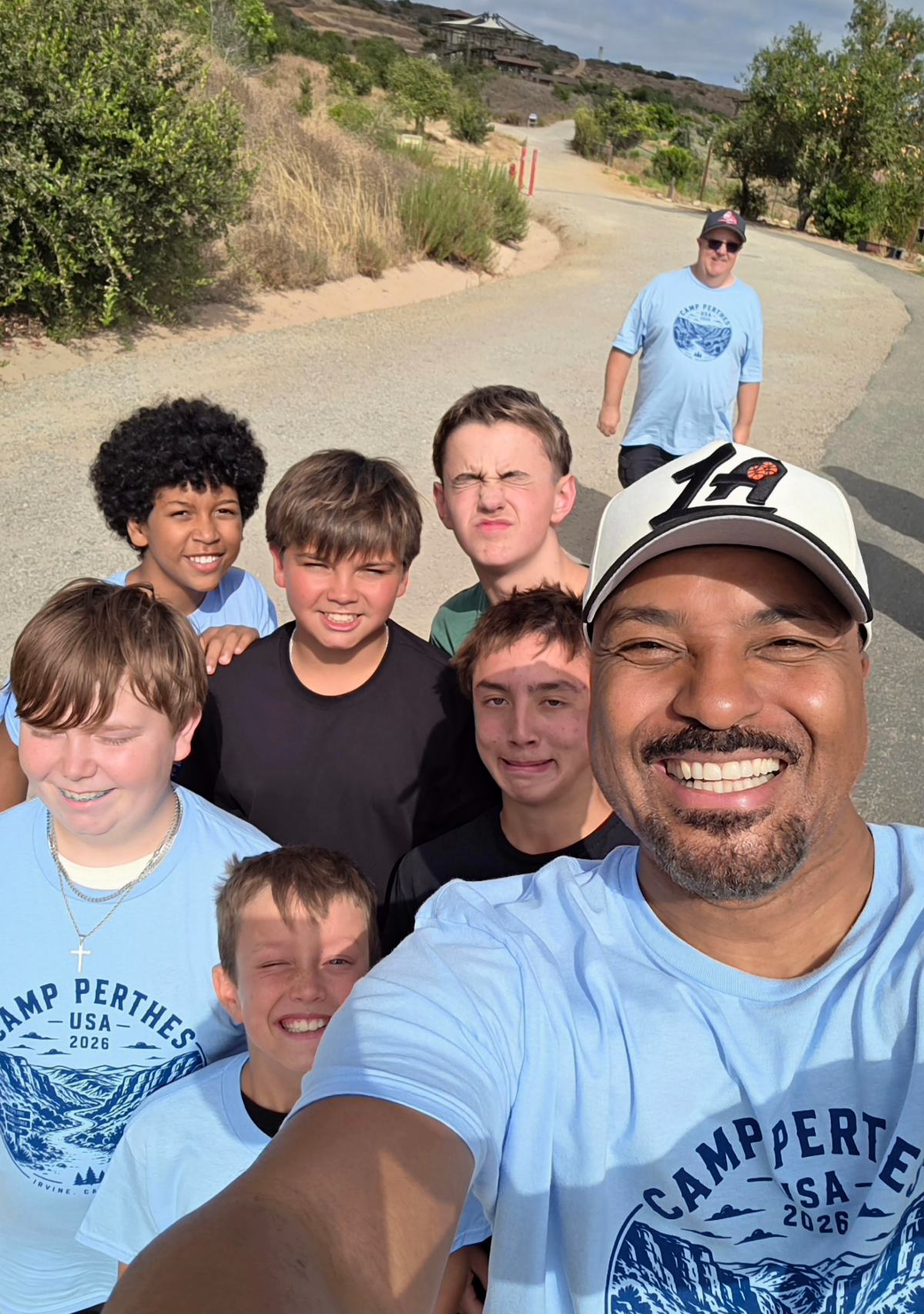
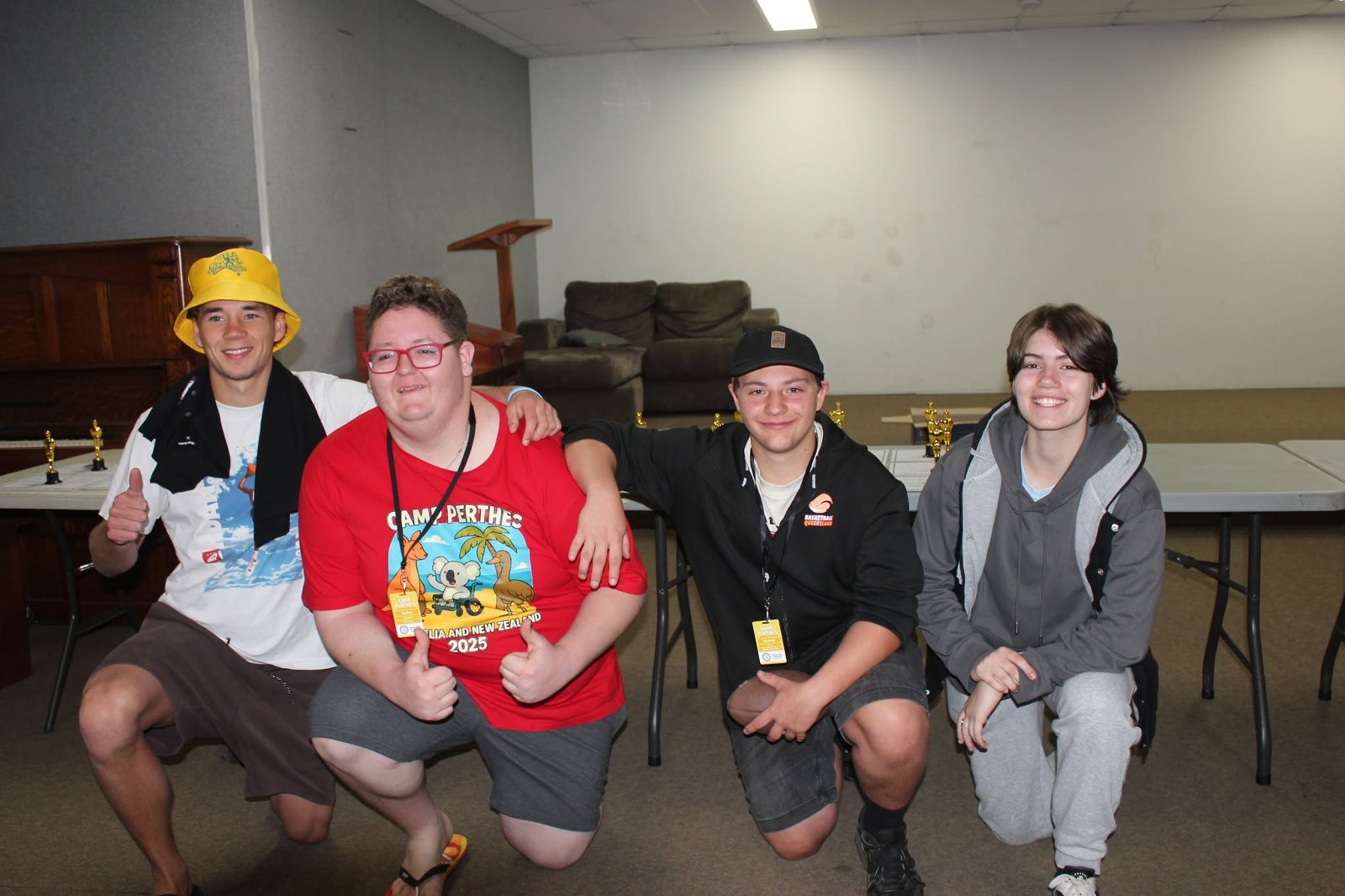
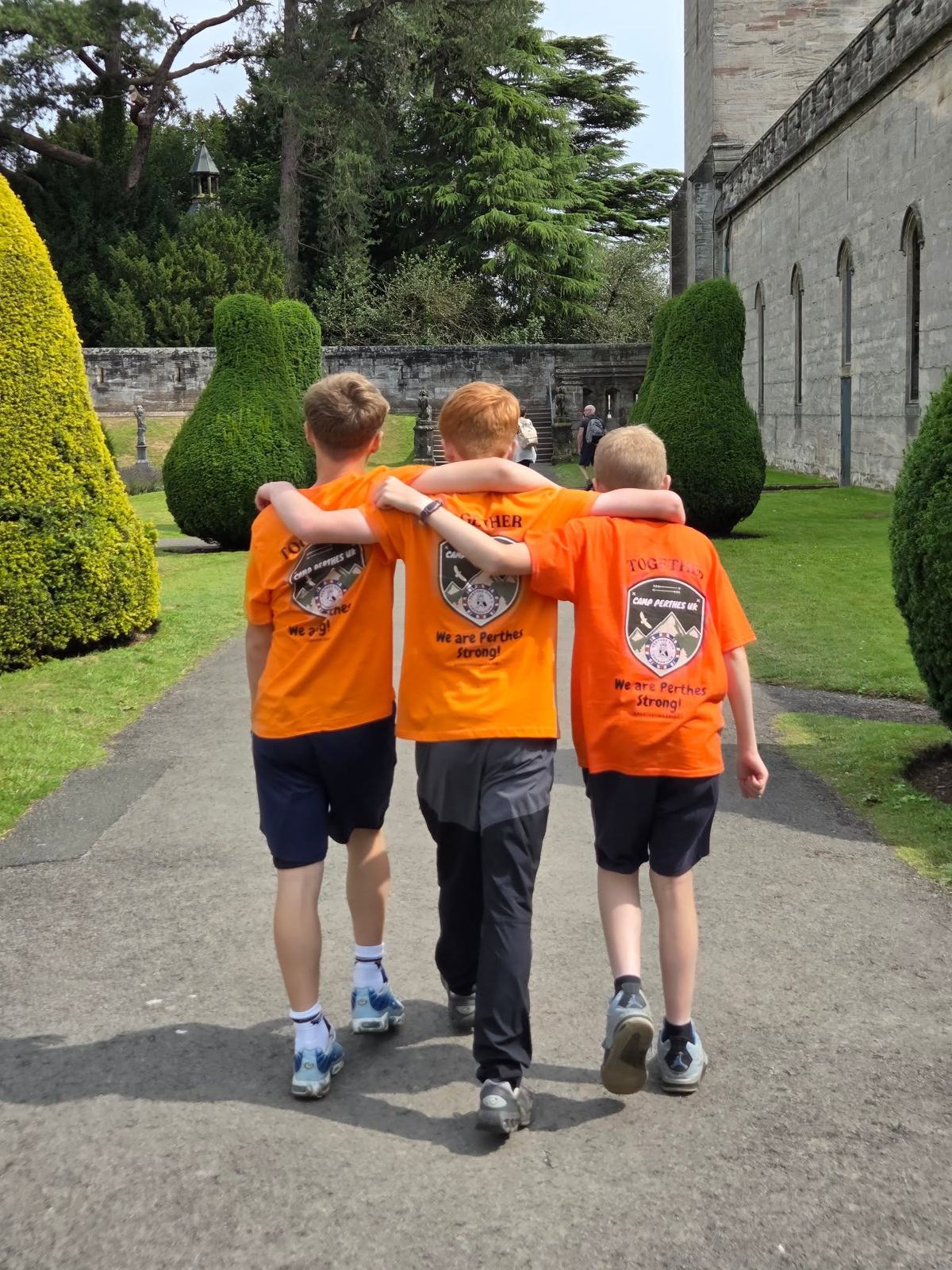
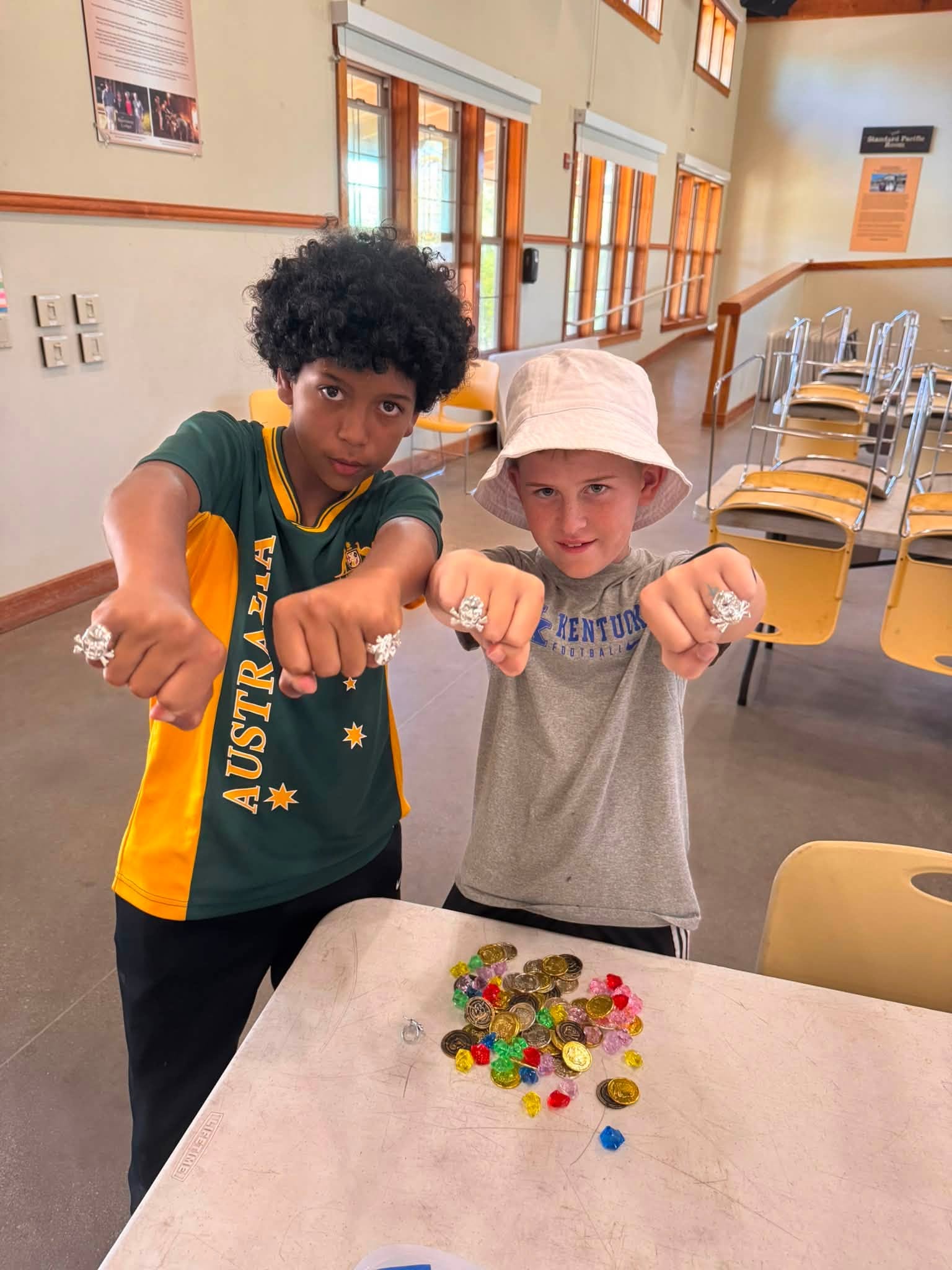
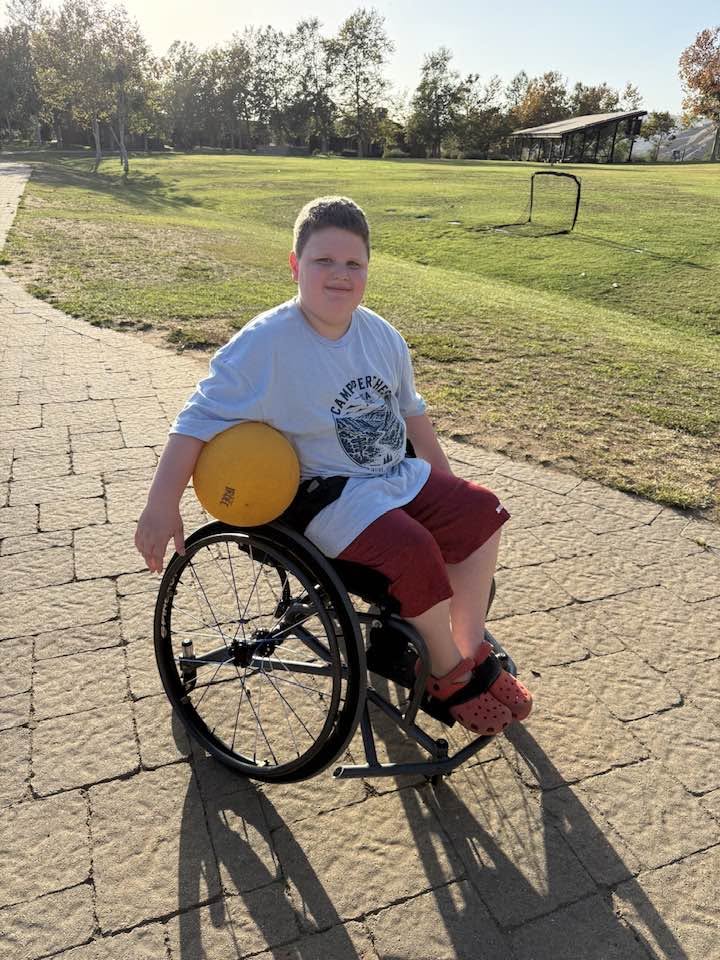
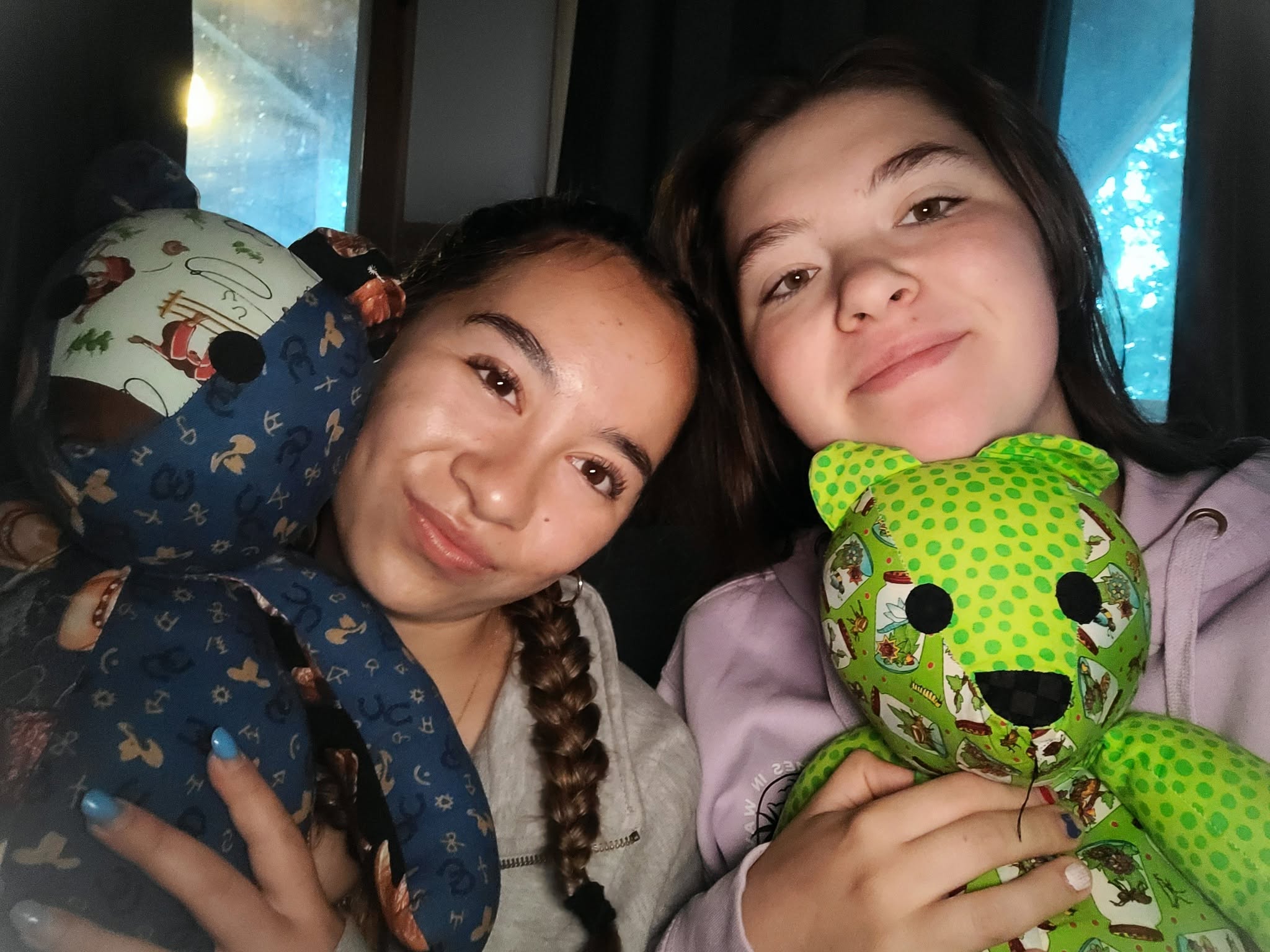
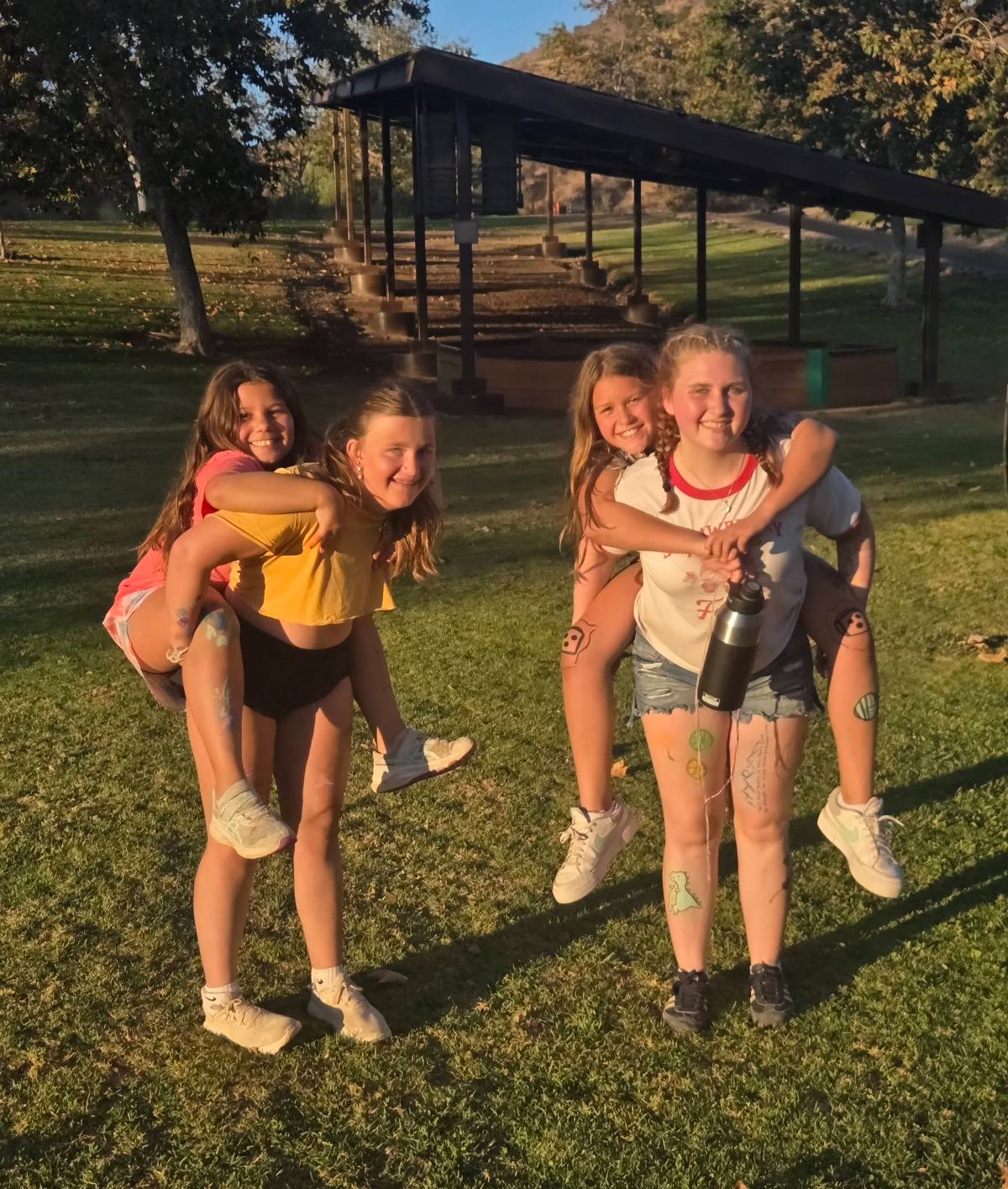
Every photo is a real Perthes kid, family, or volunteer from our community. 💛
Perthes, in their own words
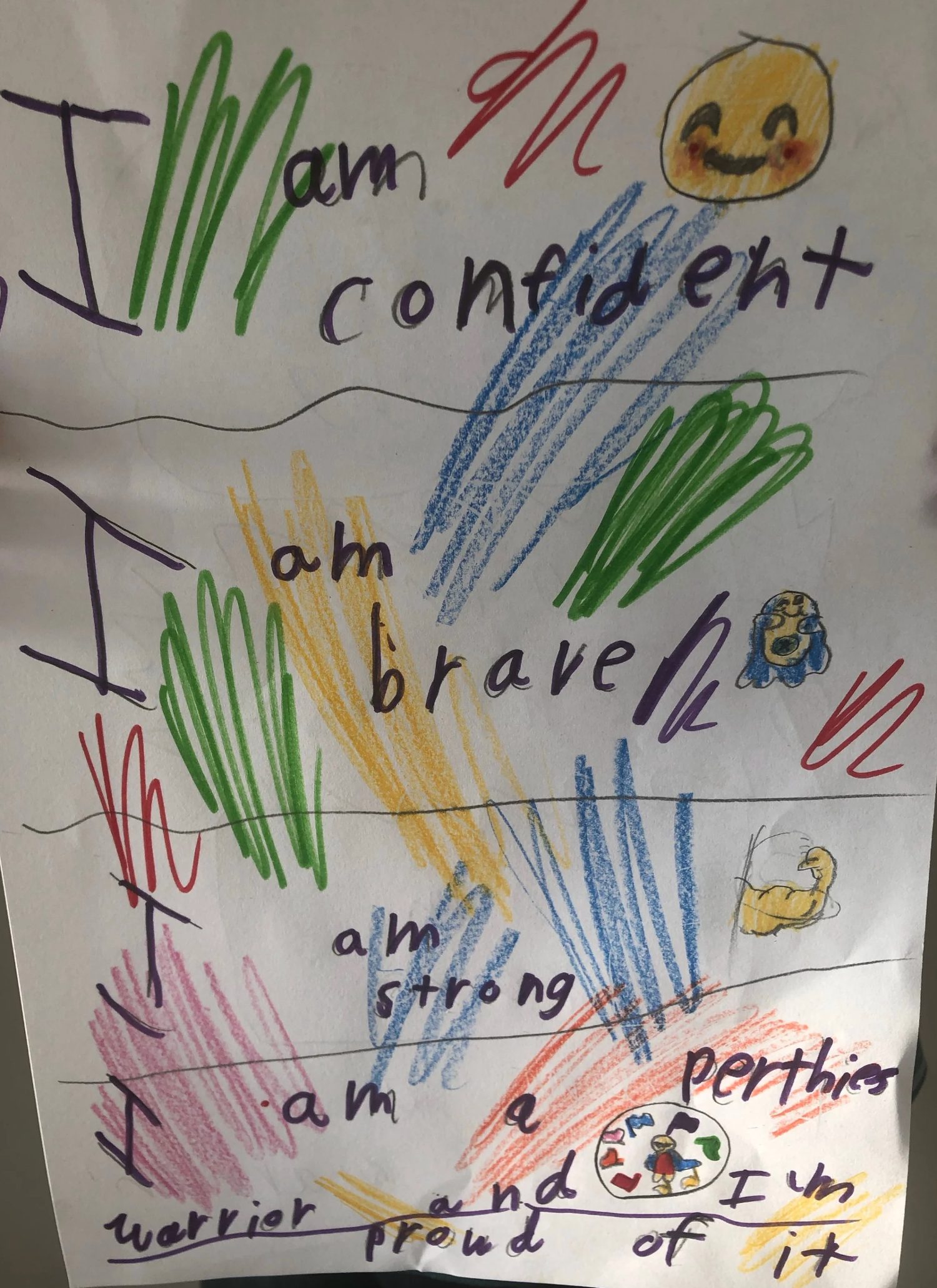
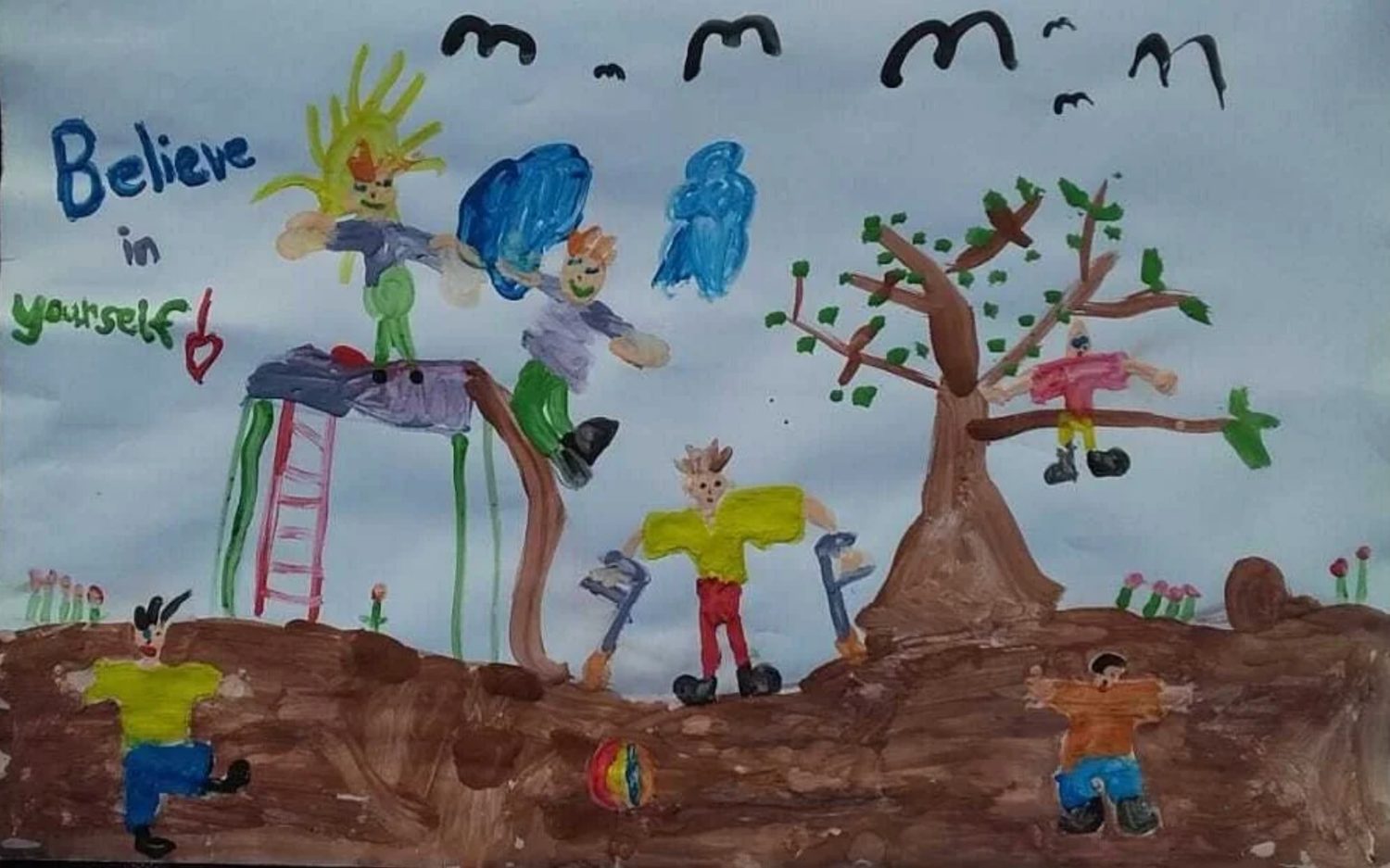
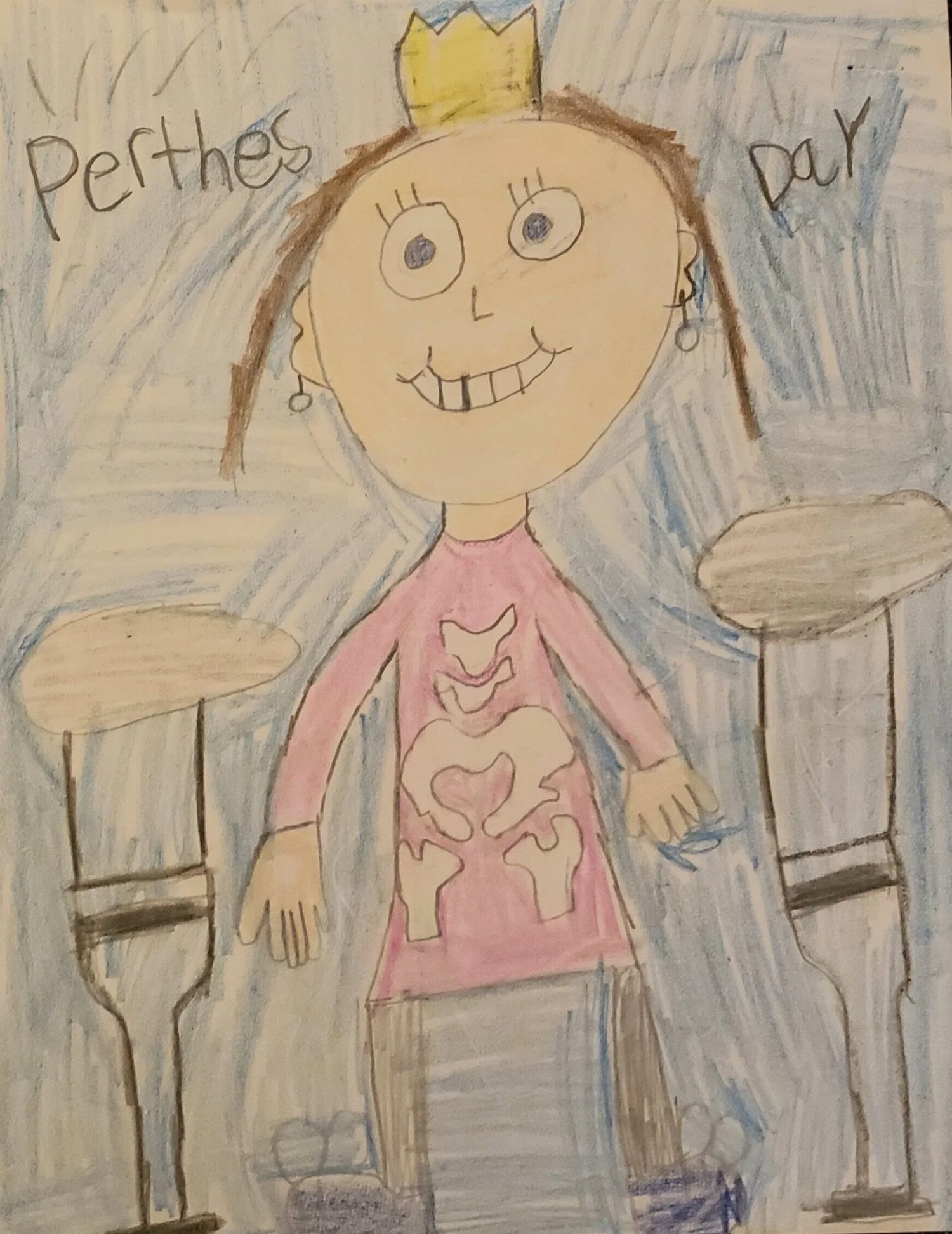
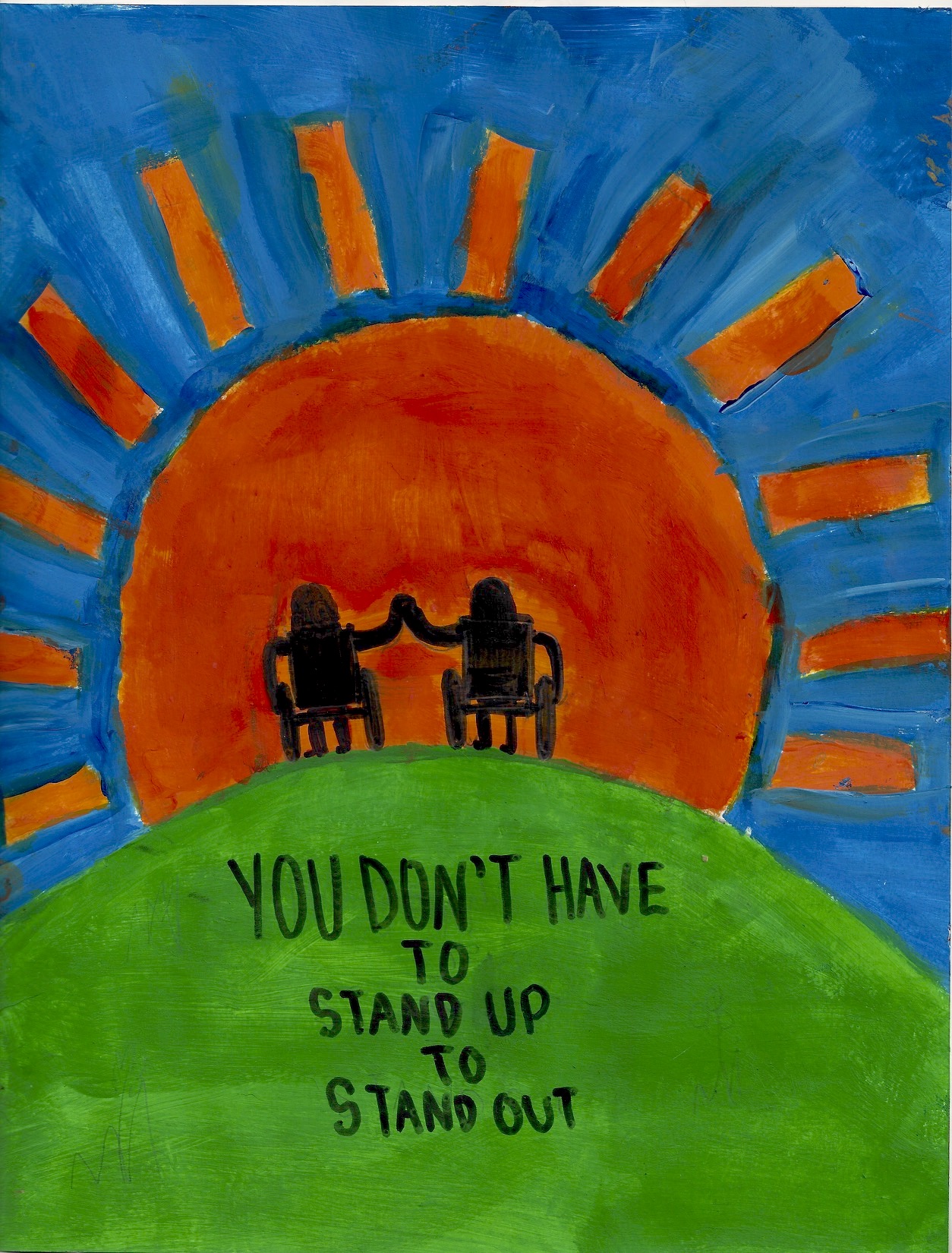
Sometimes a crayon says it best. Real artwork by Perthes kids — brave, strong, and proud of exactly who they are.
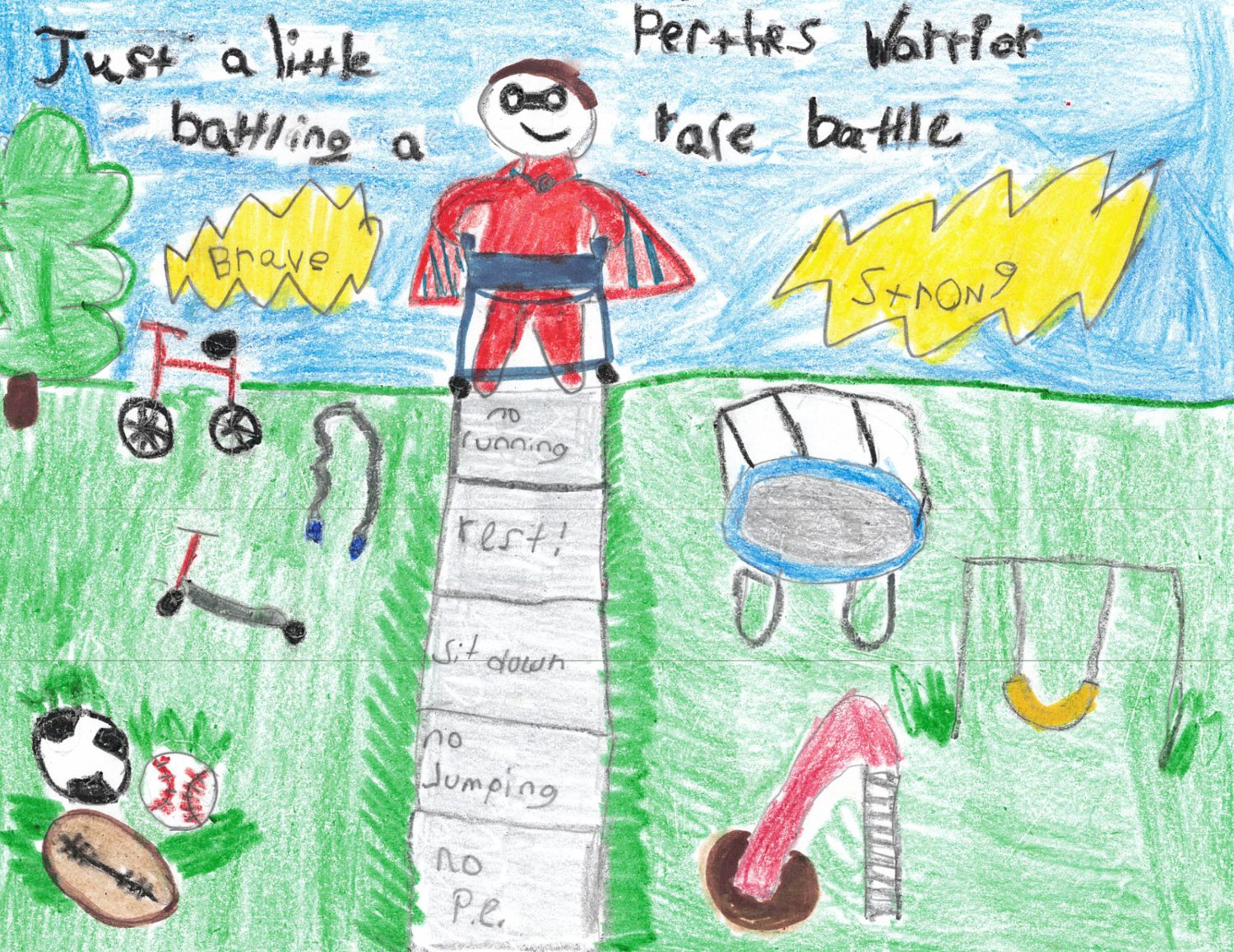
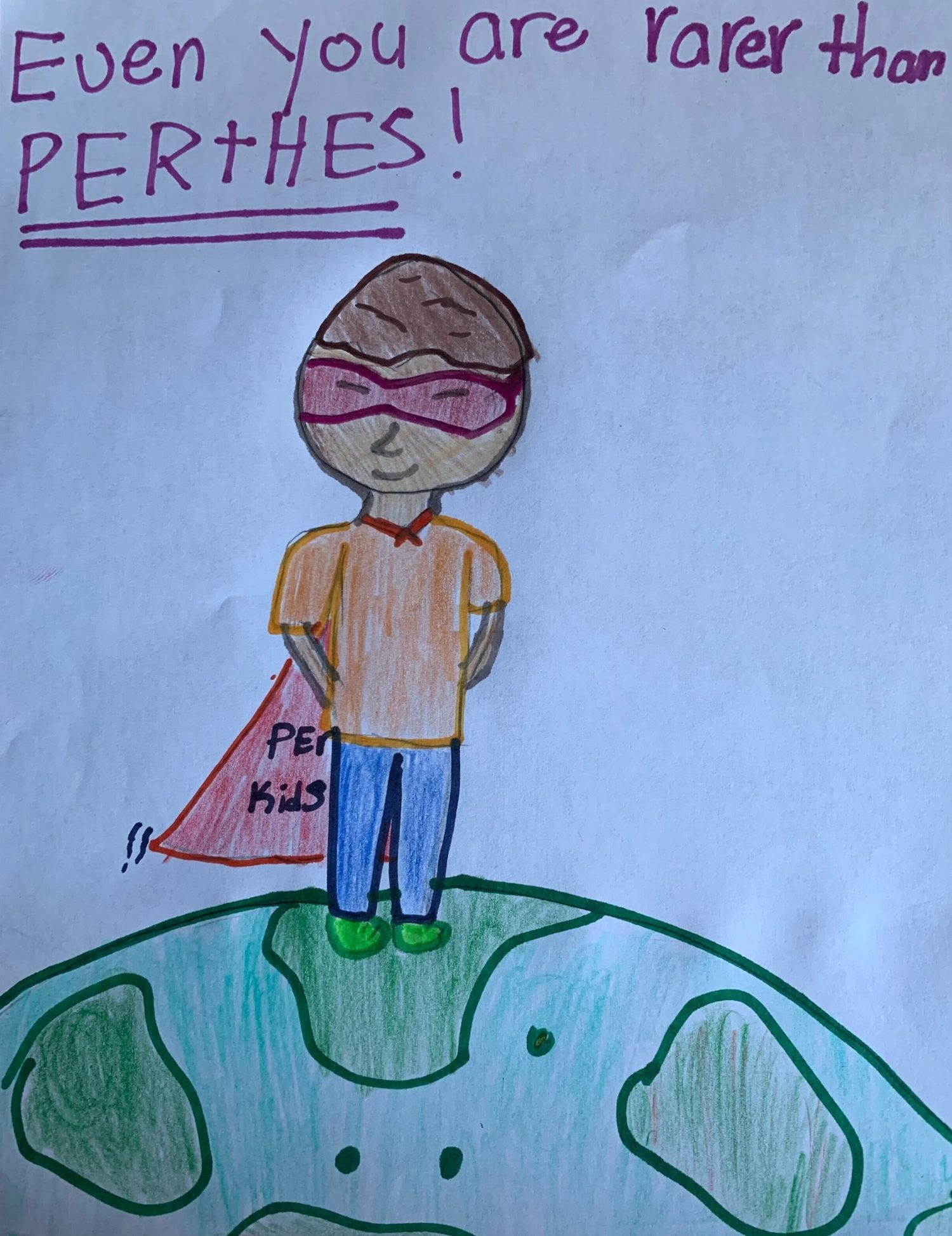
Perthes isn't only felt in the hip
Months of crutches, sitting out at recess, and feeling different from friends can weigh on a child's heart as much as their body — and on parents, too. Feeling frustrated, left out, or worried is normal, and naming it is the first brave step.
You don't have to carry the heavy days alone. Our community includes counselors and parents who understand, and we're always glad to point you toward gentle, caring support.
Talk about it
Open, honest conversations help kids feel seen and less alone.
Stay connected
Meeting other Perthes kids reminds them they're in good company.
Small wins count
Celebrate each step — healing is slow, and that's okay.
Ask for help
A school counselor or therapist can make a real difference.
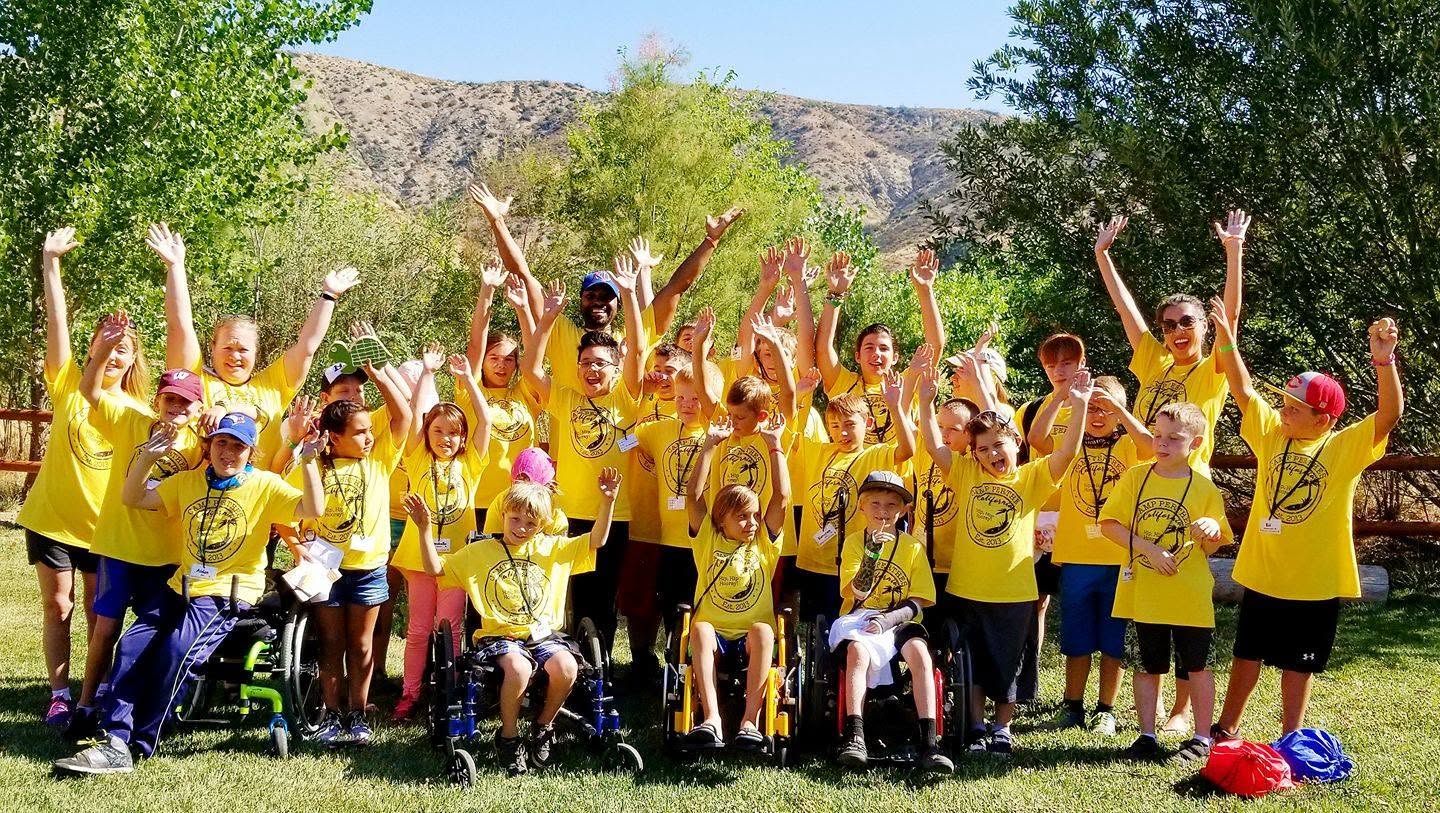
Be the reason a Perthes kid feels like a hero.
Every gift goes straight to the mission — information, camp, connection, and research. Here's what your kindness does:
Monthly gifts are the steady heartbeat that keeps camp, support, and research going all year.
The 2-minute version
Everything below, in five sentences.The ball of the hip briefly loses its blood supply and softens.
Nobody knows yet — and nothing you did caused it.
Blood returns on its own and the body rebuilds the bone over a year or two.
Everything doctors do aims at one thing: keeping that ball round while it heals.
Most kids heal well and get back to being kids.
Want the detail? It's all below — stages, treatment, school, FAQs.
What is Legg-Calvé-Perthes disease?
Your hip is a ball-and-socket joint. In Perthes, the ball at the top of the thigh bone temporarily loses its blood supply. When bone doesn't get blood, the cells inside it die off (doctors call this "avascular necrosis"), and the ball softens and can lose its round shape for a while.
Here's the hopeful part: the blood supply comes back on its own, and the body slowly rebuilds the bone over the next year or two. The whole goal of treatment is to keep that ball as round as possible while it heals, so the hip keeps moving well. Most kids recover and get back to being kids.
"Perthes can't stop me — I can still fly." — a Perthes Kid
What you might notice
Always consult a pediatric orthopaedic specialist for diagnosis. This page is educational and not a substitute for medical advice.
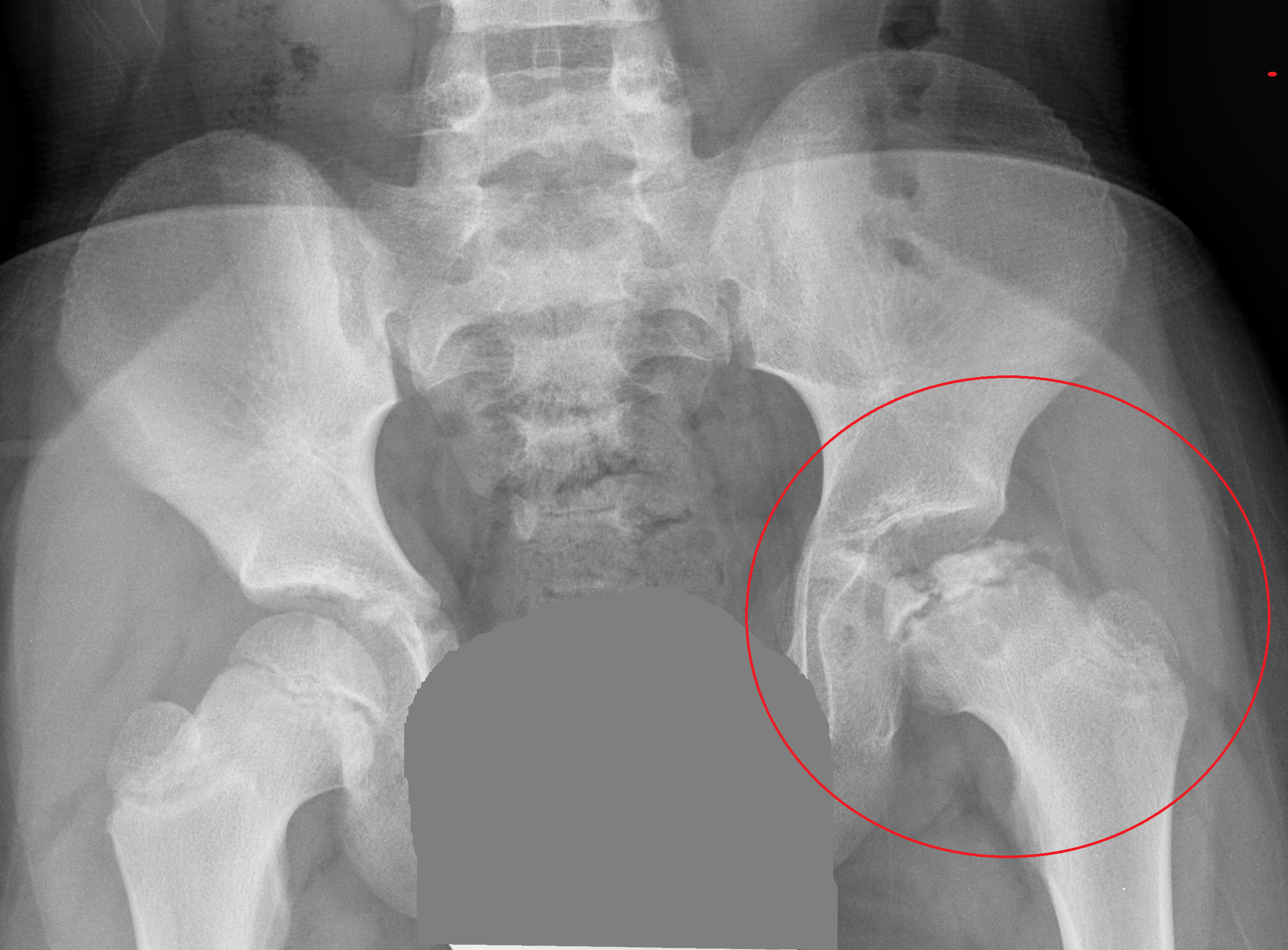
Seeing Perthes on film
An X-ray is usually the first test. Doctors compare both hips side by side: a healthy femoral head is round and smooth, while a Perthes hip can look flatter, denser, or fragmented as the bone loses and then rebuilds its blood supply.
Seeing your child's X-ray for the first time can feel scary — but these changes are part of a healing cycle, and the shape often improves as the bone regrows.
Example image for education. Every child's X-ray and stage is different — your care team will explain yours.
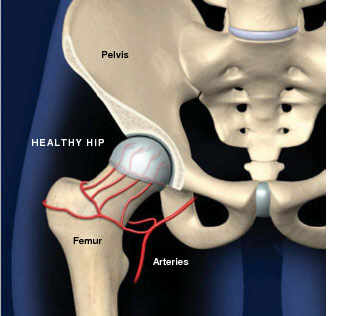
How Perthes changes the hip
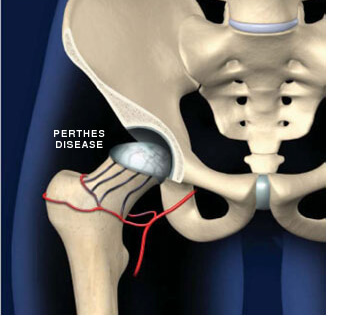
The hip is a ball-and-socket joint. In Perthes, the "ball" at the top of the thigh bone loses its blood supply, softens, and can flatten while it heals.
The round femoral head sits snugly in the socket, with a healthy blood supply (shown in coral).
The ball loses its blood supply, softens, and flattens — so it no longer fits as roundly in the socket.
Simplified diagram for clarity. Real diagnosis is made with X-rays and sometimes MRI — see below.
Why three names?
In 1910 — just as the new X-ray was changing medicine — three surgeons on two continents described the same hip condition, all within months of each other. Hover a name to meet them.
Arthur Legg
A Boston surgeon who described an "obscure affection of the hip joint" in children after a limp with no injury.
Jacques Calvé
A French surgeon who used the new X-ray to show the flattening of the ball of the hip that marks the condition.
Georg Perthes
A German surgeon whose work gave the condition its most-used short name today — simply "Perthes."
Because all three described it at nearly the same time, the full medical name became Legg-Calvé-Perthes disease — over a century later, families around the world simply call it Perthes.
It all comes down to blood supply
Bone is living tissue that needs a steady blood supply. In Perthes, the tiny vessels feeding the ball of the hip are briefly cut off — so the bone weakens before the body can heal it. Toggle the diagram to see the difference.
Perthes at a glance
The big picture in six numbers. Every child is different — your doctor's guidance always comes first.
Most often between 4 and 10 years old (average around 7), though it can appear younger or older.
Boys are affected about four times as often as girls — though girls can have it too.
About 5 in every 100,000 children each year — which is why so few doctors see it often.
Perthes affects one hip in most children; both hips are involved in only about 10–20% of cases.
The hip moves through four stages over roughly 2–4 years, sometimes longer. It's a marathon.
Perthes is not life-threatening. About 4 in 5 children under 6 when it starts recover well with careful, non-surgical care.
The four stages of Perthes
Tap through each stage to see what happens to the hip. Perthes runs its course over roughly 2–4 years, sometimes longer.
{{ activeTitle }}
{{ activeDesc }}
What happens next
There isn't one path through Perthes. Your doctor will choose based on your child's age and how much of the hip is affected. Most plans use some mix of these.
Watch & support
Regular check-ups and X-rays, rest when it hurts, and easing off high-impact play. Many young kids need little more than this.
Keep it moving
Physical therapy and gentle motion (like swimming) help the hip stay flexible while it heals.
Keep it round
Doctors call this "containment" — keeping the ball snug in the socket so it heals round. Sometimes a brace, cast, or surgery helps with this.
Time to heal
Perthes is a marathon, not a sprint. Healing often takes 2–4 years, sometimes longer, and follow-up X-rays track how the ball is rebuilding.
The Petrie cast — a piece of Perthes history
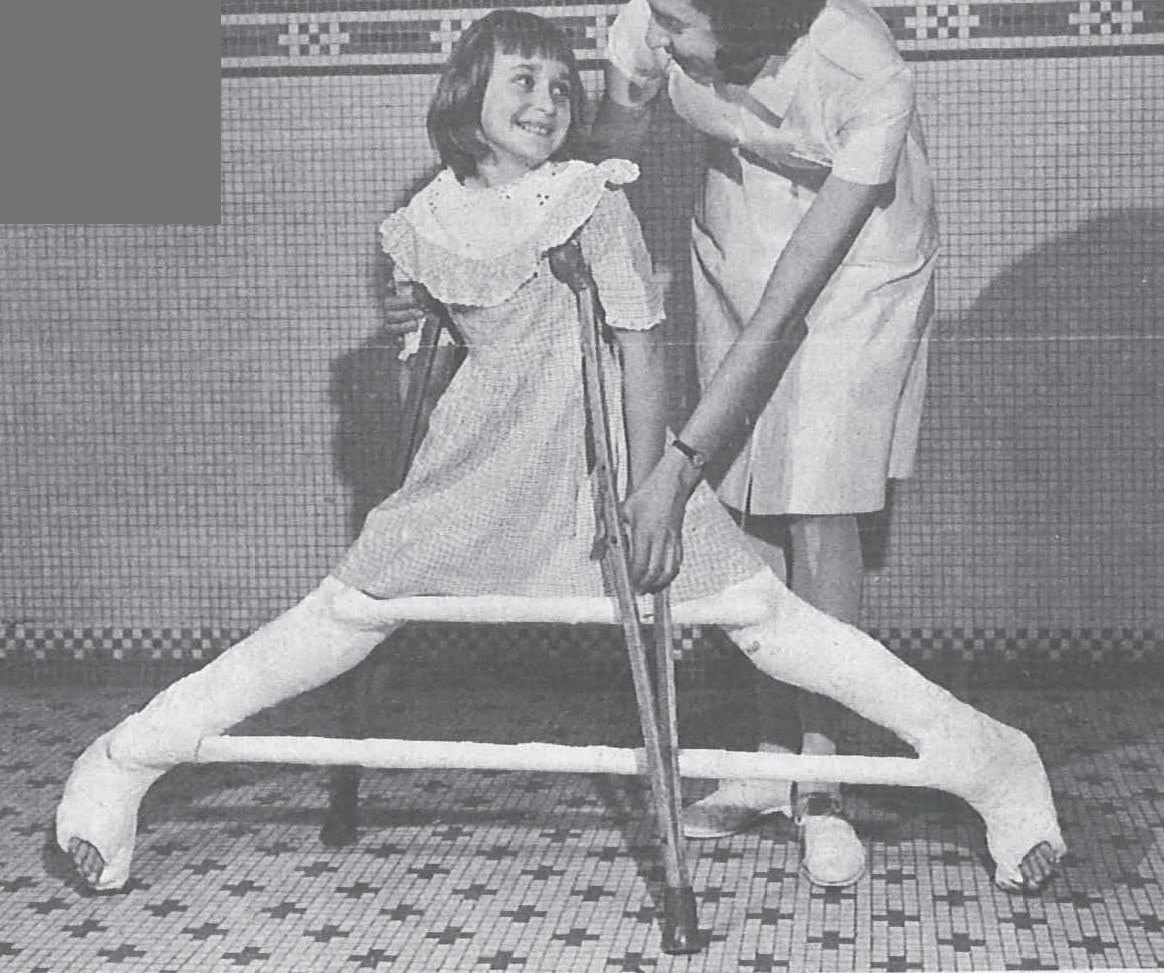
To keep the hip “contained” while it heals, doctors once relied on Petrie casts — also called broomstick or A-frame plasters — that hold both legs wide apart in a frog-like position, often joined by a bar. Kids learned to scoot, swing, and even walk on crutches in them.
Today most children need far less — often watchful waiting or bracing — and casts are used more selectively. However your child’s Perthes is treated, they join a long, brave line of Perthes kids.
What your child can still do
Non-weight-bearing, crutches, or a cast can't slow down a curious kid. Here are low-impact ways to burn that energy, learn something new, and keep the boredom away while the hip heals.
Always check with your child's doctor first — what's safe depends on their stage and weight-bearing rules. When in doubt, ask before you try it.
Create & build
Learn something new
Games & play (seated)
Gentle movement
Only if your doctor says it's OK
Get out & explore
Feed the healing, too
Whole foods, fruits & veggies support bone remodeling. Some families find anti-inflammatory choices (like turmeric) and good hydration help — always run supplements and pain relief past your doctor first.
…and much, much more. The goal is simple: keep it low-impact, keep it fun, and keep your kid feeling like a kid. 💛
The pictures behind the diagnosis
X-rays and MRIs guide the whole journey — confirming Perthes, tracking how the hip heals, and planning any surgery. You'll see a lot of them, and that's normal.
X-ray
The main tool. Shows the shape of the femoral head and the stage of the disease.
MRI
Catches Perthes early and shows detail that X-rays can miss, before big changes appear.
Surgery & follow-up
If needed, an osteotomy keeps the head contained. Follow-up scans track healing for years.
Illustrations shown for clarity. Perthes Kids Foundation can add real, consented patient X-rays and MRIs here — send us your images and we'll place them.
Questions parents actually ask
The honest ones, answered honestly.
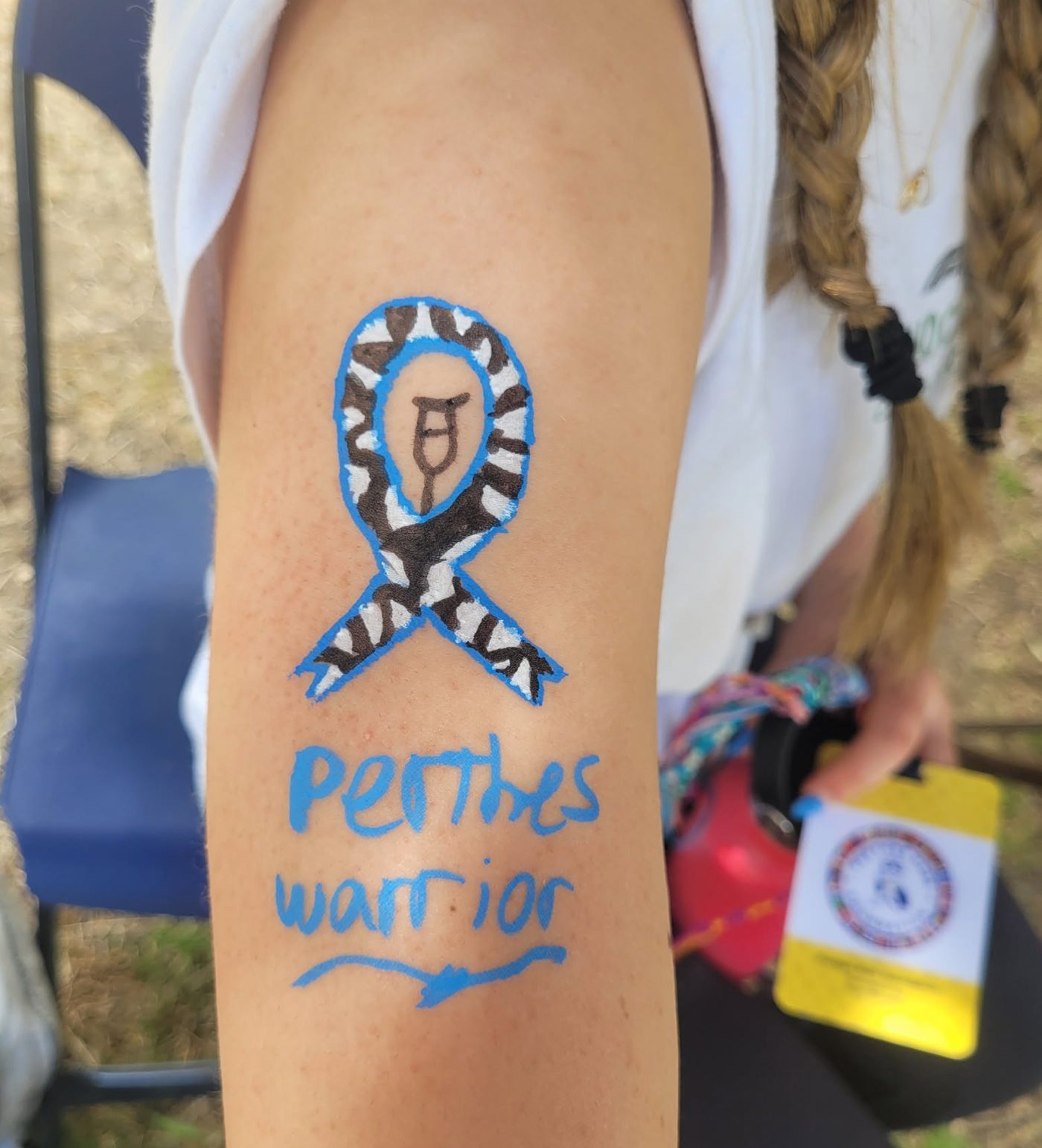
Every Perthes kid is a warrior
Casts, crutches, and the long wait are hard — and the kids who carry them are some of the bravest, most stubborn heroes around. The zebra-striped ribbon is our rare disease awareness symbol; the crutch is worn like a badge of honor. Your child isn't defined by Perthes — they're a warrior walking through it.
Where to find good care
Perthes is rare, so not every orthopaedist treats it often. These are reliable routes to accurate information and experienced care — wherever you live.
A pediatric orthopaedist experienced in Perthes
Ask directly how many Perthes cases they've managed. The International Perthes Study Group surgeon finder lists specialists worldwide.
Leading pediatric hip centers
Centers like Scottish Rite for Children (Dallas, an IPSG research hub), Boston Children's, and Shriners Children's have deep Perthes experience — Shriners treats children regardless of the family's ability to pay.
Second opinions & telemedicine
Keep copies of every X-ray and report. A second opinion is normal and encouraged — many centers will review imaging remotely.
Ask us — we'll help you navigate
We can't diagnose, but we can help you know what to ask, prepare for appointments, and connect with families near you. If the info you need is not on our website, contact us at info@pertheskids.org.
Questions to ask your child's doctor
It's easy to freeze up in the room. Screenshot this list or jot it down before you go.
Resources for your journey
For parents
A diagnosis can be scarier for parents than kids. Get familiar with what to expect and connect with families who understand.
For kids
Casts, crutches, and braces are tough. But Perthes Warriors are some of the bravest, most stubborn kids around, and you're one of them. Come meet others who get it.
For adults with Perthes
Every adult with Perthes was once a Perthes kid. Share your story, give back, and help science understand the long journey.
The Parents' Guide to Perthes
Recommended reading for families new to Perthes — by Betsy Miller & Dr. Charles T. Price (Thinking Ink Press). Plain-language explanations of diagnosis, stages, treatment, and healing.
Take these with you
Print them for the fridge, bring them to appointments, or share them with your child's school. Everything here is kept current.
For families
For clinicians & researchers
Perthes Kids Foundation is a 501(c)(3) nonprofit (EIN 47-3841121). All donations are tax-deductible. Annual financials are available on request. Educational materials are not a substitute for professional medical advice.
children heal well and return to a full, active life.
your fault. Nothing you did or didn't do caused this.
alone — thousands of Perthes families walk this with you.
The whole illness, in four shapes
A healthy hip: the ball sits round in its socket.
Blood stops reaching the ball. Nobody knows why yet.
The bone weakens and can flatten. This is the part treatment fights.
Blood returns and the body rebuilds the bone itself.
Your child is somewhere on that line right now — and the line ends round.
What to do, one step at a time
- Let yourself feel it, then breathe. This is a marathon, not a sprint — you have time to make good decisions.
- Confirm your child is under a pediatric orthopaedic specialist (not only a general pediatrician).
- Write down your questions as they pop up. Use our printable list below so nothing gets forgotten.
- Tell school and coaches the basics, and ask about a rest spot and reduced high-impact play for now.
- Understand your child's stage and treatment plan — watchful waiting, bracing/casting, physio, or surgery.
- Start the symptom & limp tracker below. Patterns over weeks help your doctor far more than any single day.
- Set up school support (in the U.S., a 504 plan) and download our note for teachers & classmates.
- Find your people — connect with families near you on the Locator, and consider a second opinion if anything feels unclear.
- Expect healing to take 2–4 years, sometimes longer. Think in months, celebrate small wins, and keep every follow-up X-ray.
- Protect your child's heart, not just their hip — watch for frustration or sadness, and keep play joyful within their limits.
- Sign up for Camp Perthes, where your child meets others who truly get it.
- When you're ready, give back: share your story, or add your voice to research so the next family has it easier.
Two printables to take with you
Walk into every appointment prepared. Print these, fill them in, and bring them along.
Questions to ask your doctor
A ready-made checklist of the 12 questions parents most wish they'd asked — with space to write the answers.
Symptom & limp tracker
A simple daily log for pain, limp, and notes. Trends over weeks tell your care team the real story.
The words your doctor will use
No medical degree required. Tap any term for a clear, human explanation.
You've got this — and you've got us.
Keep going at your own pace. Whenever you have a question, Percy and this whole community are here.
Take these to school and the doctor
Print them for the fridge, bring them to appointments, or share them with your child's school.
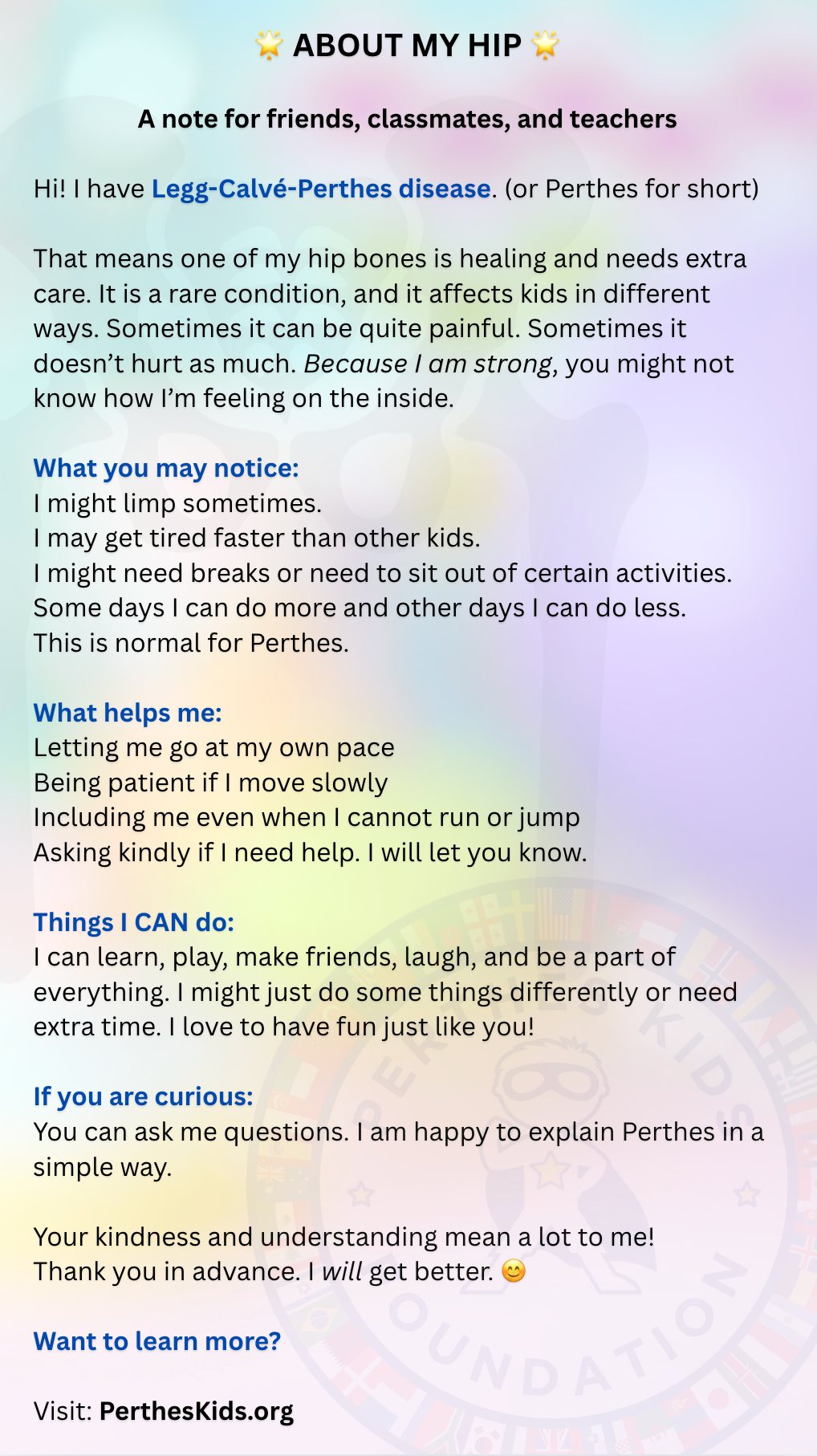
"About My Hip" note for school
A friendly one-page note to share with classmates, teachers and coaches.
Perthes Fact Sheet
One page covering what Perthes is, how it is treated and where to find support.
Questions to ask your doctor
The 12 questions parents most wish they had asked, with space for the answers.
Symptom & limp tracker
A daily log for pain, limp and notes to bring to every appointment.
504 plans & school accommodations
U.S. Department of Education guidance on requesting support for casts, crutches and rest.
The Parents' Guide to Perthes
The complete guide for families, in paperback and Kindle.
Handouts and references
Fact Sheet for patient handouts
Give newly diagnosed families a trusted starting point.
Clinical reference (StatPearls)
Peer-reviewed clinical overview of Legg-Calvé-Perthes disease.
Raise funds and see our impact
Fundraiser toolkit
Two pages with ideas, talking points and a checklist for running your own fundraiser.
2025 Annual Report
Our year in camps, connection and research, with the numbers behind it.
Financial statements
Available to any family, donor or partner who asks. Federal Tax ID 47-3841121.
PKF logos and colors
For partners, sponsors, media and fundraisers. Please use the logos as supplied: don't stretch, recolor or add effects.
Headlines use Fredoka; body text uses Nunito Sans. Both are free on Google Fonts.
Photos for press and fundraisers
For stories about PKF and fundraisers that support our mission. Please credit "Perthes Kids Foundation" and don't alter or crop out the children.
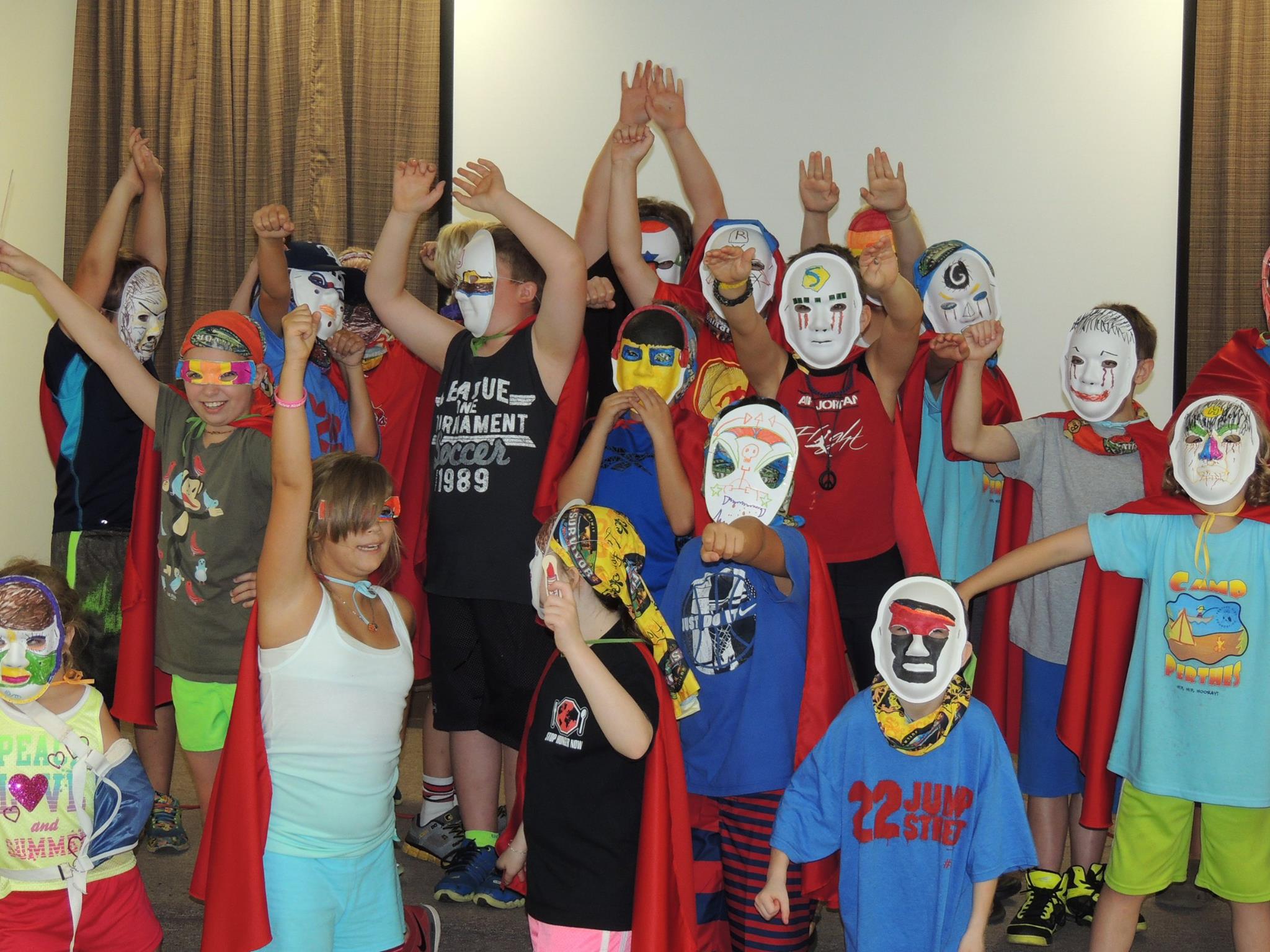
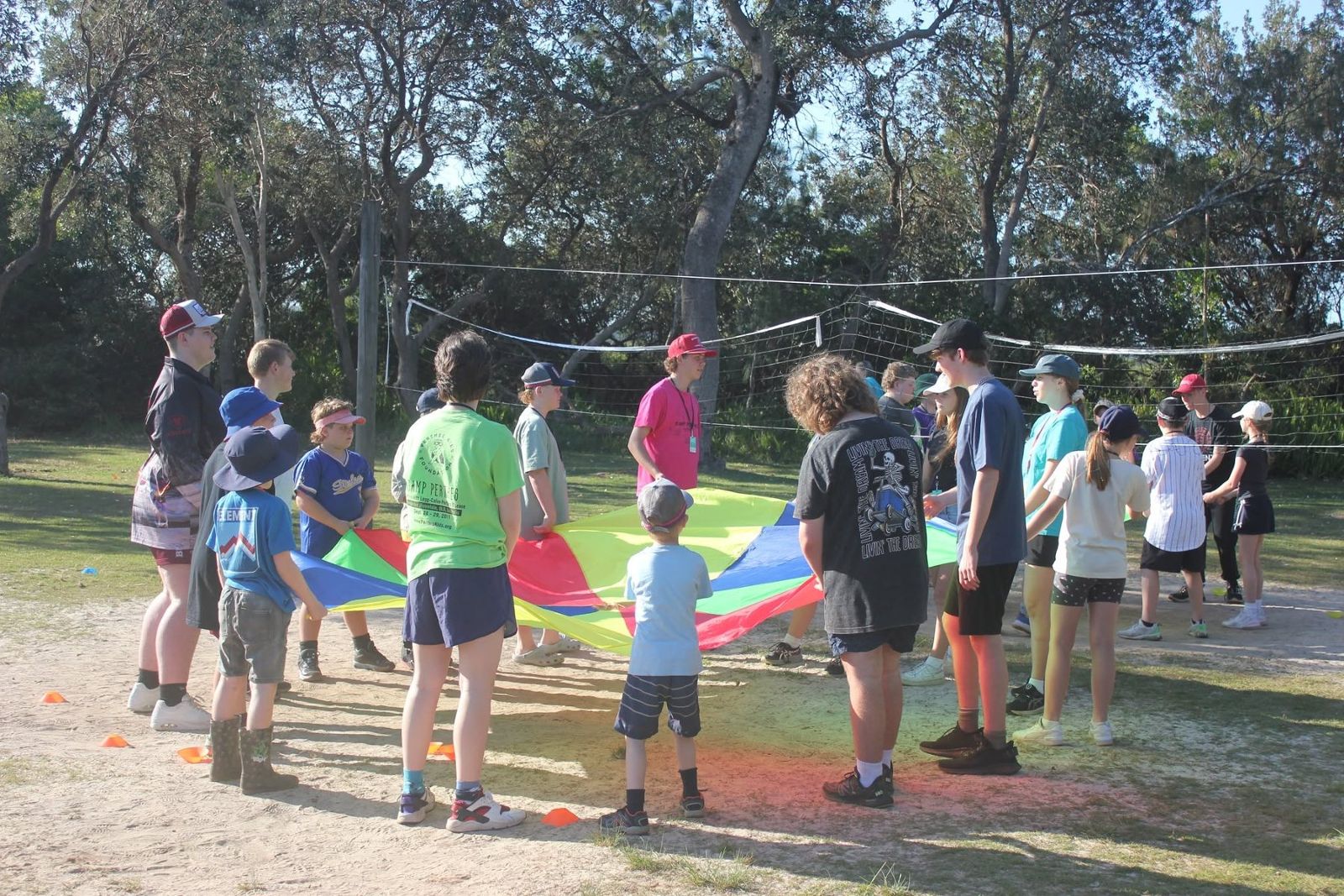
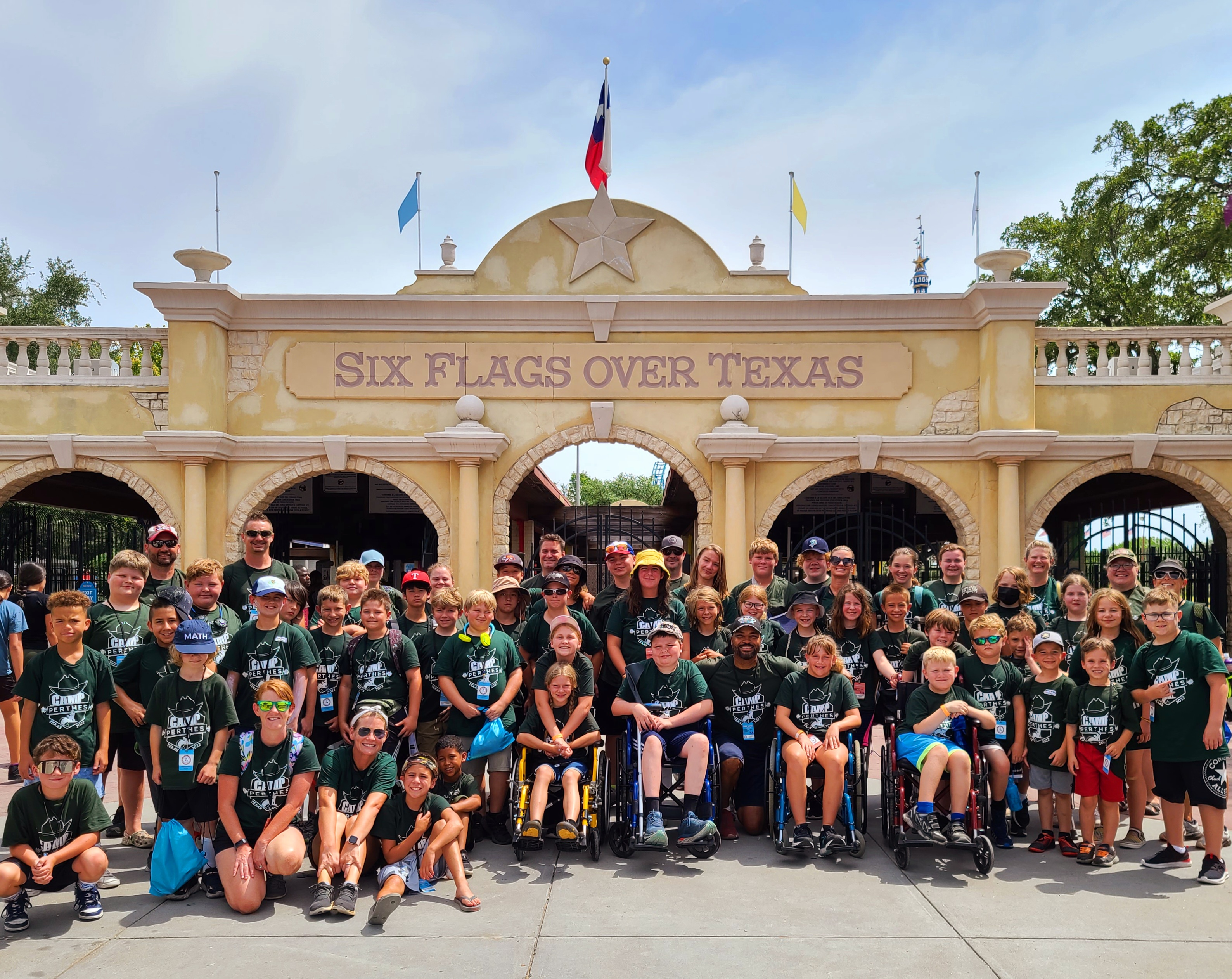
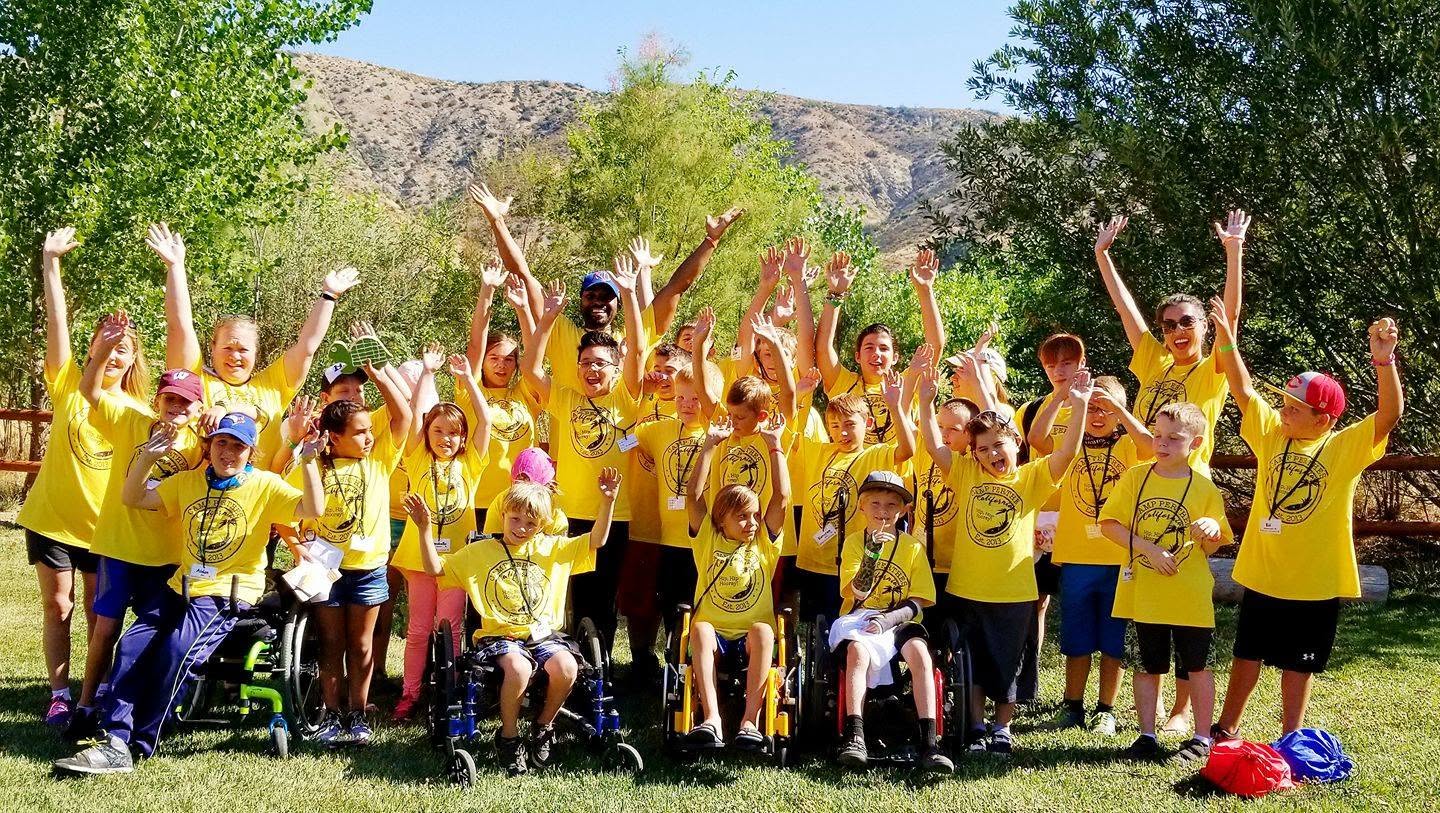
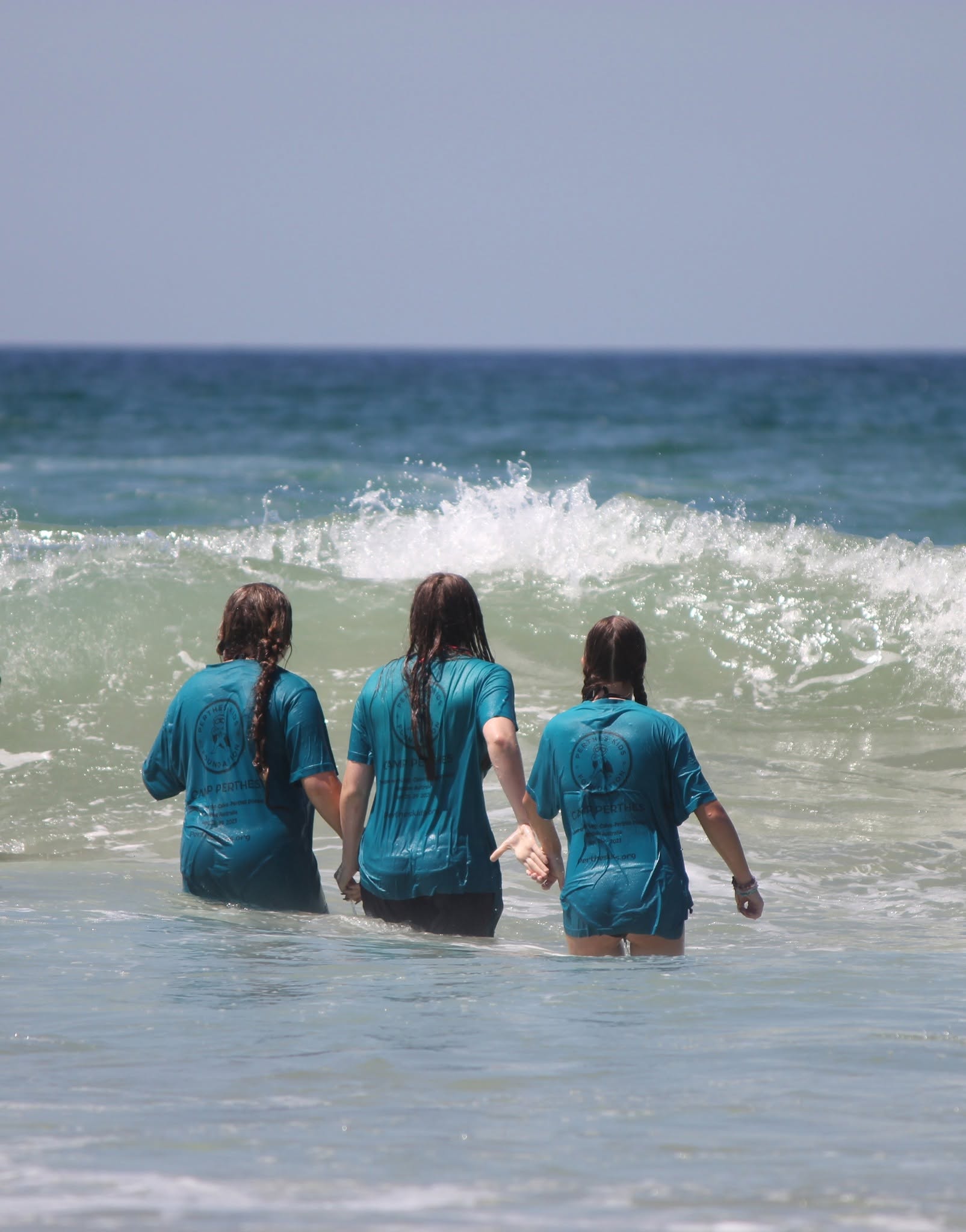
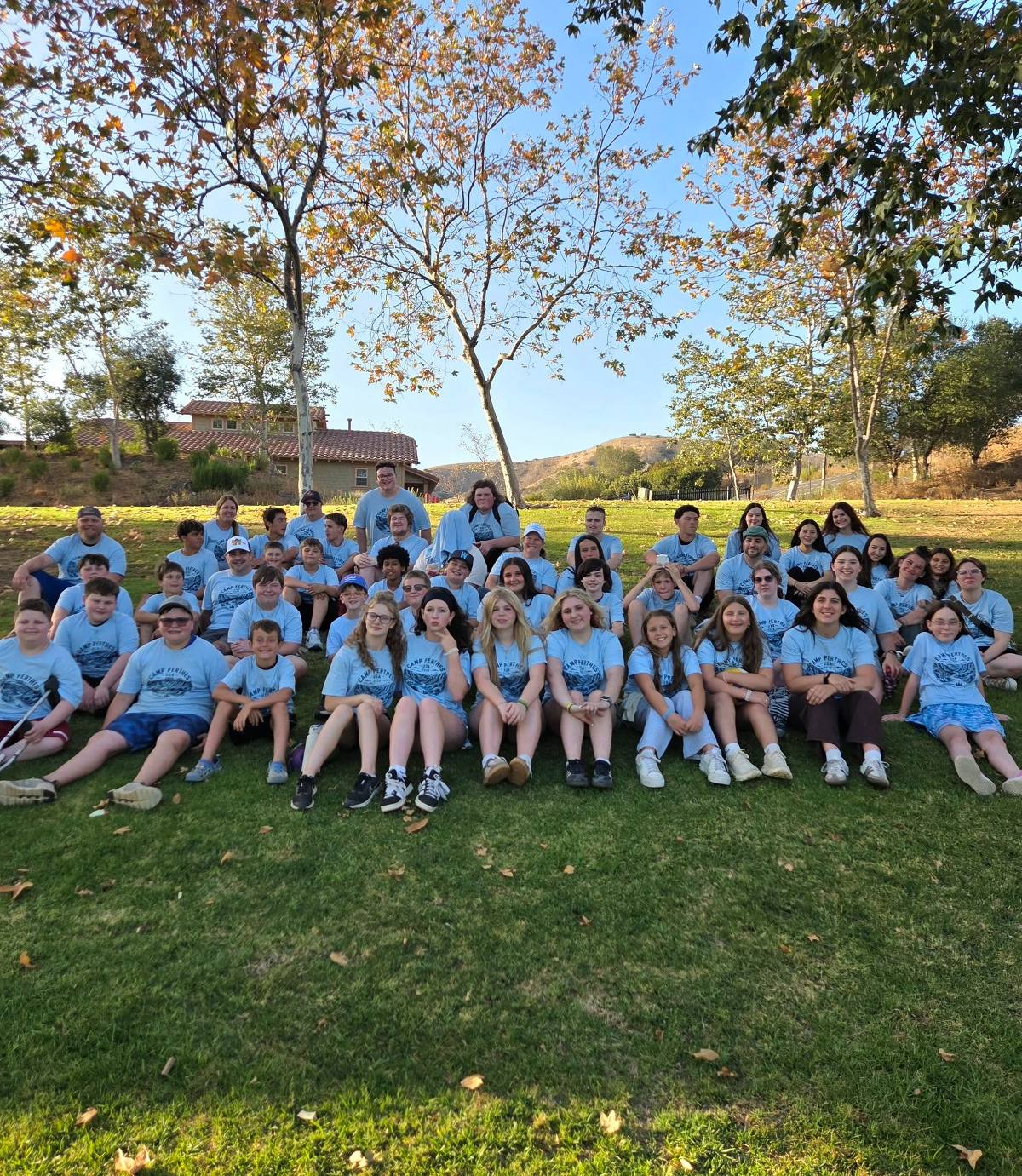
Need higher-resolution files or something specific? Email info@pertheskids.org.
¿Prefieres español?
Guías y recursos para familias hispanohablantes.
The International Perthes Study Group
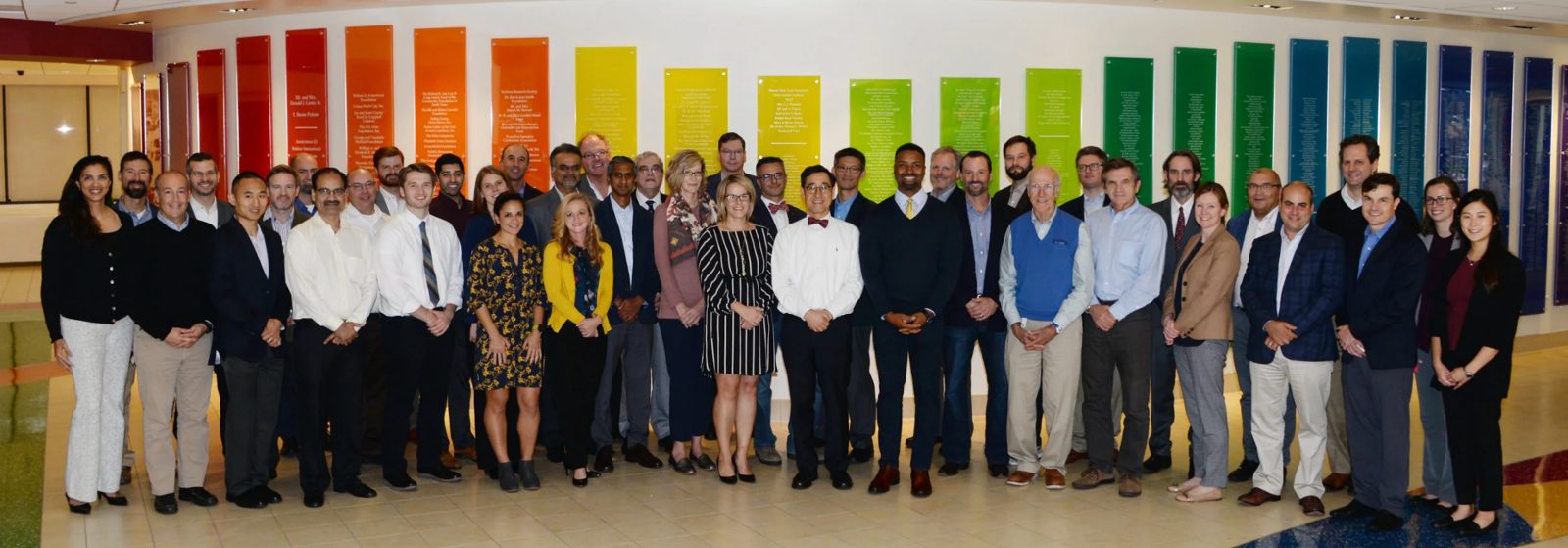
The IPSG unites pediatric orthopaedic specialists and researchers worldwide with one goal: to advance the knowledge and care of children with Perthes. As a patient partner, Perthes Kids Foundation has been invited to present the family perspective alongside some of the world's top hip surgeons.
Behind every X-ray and MRI is a child and a family — and that voice is central to research that will one day find the cause and a cure.
Help shape the future of Perthes research
Researchers at Macquarie University are conducting an international study to identify the questions and research priorities that matter most to people affected by Perthes disease.
They are seeking input from:
People aged 6 and older who have or have had Perthes disease
Parents and caregivers
Health professionals
Perthes disease researchers
Participation is entirely online.
The Perthes Kids Foundation is helping share this independent research opportunity with the global Perthes community so that children, families, and professionals have an opportunity to make their voices heard and help influence the direction of future Perthes research.
This is an independent research study conducted by Macquarie University. The Perthes Kids Foundation is not conducting or sponsoring the research, and is sharing it so the Perthes community can take part if they choose.
What the research is telling us
The science is complex — here's what it means for your family, without the jargon.
Age matters most
Younger children generally have more time to rebuild a round hip, so age at diagnosis is one of the strongest signals for outcome — and it guides which treatment fits.
Movement helps healing
Keeping the hip mobile — through physiotherapy and the right activity — is linked to better long-term shape and function. Staying gently active is part of the treatment.
The adult picture matters
A landmark study of over a thousand adults who had Perthes as children helped researchers understand life decades later — pain, activity, and arthritis risk — so today's kids get better long-term guidance.
Are you a clinician or researcher?
We connect the family and patient community with the world's leading Perthes science. If you're studying Perthes or want to collaborate, we'd love to hear from you.
What actually happens inside the hip
At its core, Perthes is a blood-supply problem. Understanding the biology is how researchers move toward the cause — and one day, a cure.
{{ healCap }}
Supply is cut off
For reasons still being studied, blood stops reaching the ball of the hip, and the bone begins to weaken.
The bone softens
Without blood, cells die and the femoral head can flatten and lose its round shape.
Blood returns & rebuilds
New bone grows back over months to years. Research focuses on helping it heal as round as possible.
What the science is chasing
The cause
After 100+ years, why Perthes starts is still unknown. Finding it is the field's biggest question.
Blood & healing
How to restore blood flow and speed healing — including bench studies of new bone growth.
Genetics
Gene variants and non-coding RNAs may explain why some children are affected — a path to personalized care.
Best care by age
Which treatment works best at which age — the question at the heart of the IPSG's global studies.
Age when Perthes begins
From an international study of 1,182 adults who had Perthes as children.
One question, three age groups
The IPSG's multicenter cohort compares real-world treatments by age at onset — running through 2032.
Children under 6 usually do well without surgery, so the studies focus on ages 6 and up.
Fresh from the literature
enrolling
Op NON-STOP: surgery vs. non-surgical treatment of Perthes
The UK's landmark randomized, multicentre trial — recruiting children aged 5–12 in the early stages of Perthes — is set to finally answer whether early surgical containment beats active non-surgical care. A top research priority of the British Society for Children's Orthopaedic Surgery and the James Lind Alliance.
Kinesiotaping in Perthes: a randomized, placebo-controlled trial
A double-blind trial examines whether kinesiotaping can support pain and function in children with Perthes — part of a growing focus on non-surgical, quality-of-life care.
Physical & Occupational Therapy in Pediatrics (2026)
Understanding Perthes at the molecular & cellular level
A major review maps the molecular biology behind the disease — from vascular changes to gene variants — as the search for its true cause continues.
Frontiers in Physiology (2025)
Efficacy of hip distraction (arthrodiastasis)
A systematic review and meta-analysis weighs hip distraction — a promising newer modality — as a joint-preserving option, especially for older children.
J. Musculoskeletal Surgery & Research (2025)
The role of non-coding RNAs in Perthes
Researchers review how non-coding RNAs may shape the disease's development, diagnosis, and future therapy — a frontier in personalized care.
Medical Science Monitor (2025)
Published research
Our work isn't just anecdotal — our founder co-authored peer-reviewed science with one of the world's leading Perthes researchers.
What is the adult experience of Perthes' disease? Initial findings from an international web-based survey
McGuire MF, Vakulenko-Lagun B, Millis MB, Almakias R, Cole EP, Kim HKW.
Bone Jt Open. 2022 May;3(5):404–414 · doi:10.1302/2633-1462.35.BJO-2021-0185.R1 · PMID: 35535518
Co-authored by PKF founder Earl Cole and Dr. Harry K. W. Kim (Director, Center for Excellence in Hip; International Perthes Study Group), this landmark study of 1,182 adults is one of the largest ever conducted on the lifelong experience of Perthes disease.
Our evidence standards
Sourced from the best
Our information reflects current peer-reviewed literature and guidance from the International Perthes Study Group, AAOS OrthoInfo, and leading pediatric hip centers.
Guided by clinicians
Our content is shaped by our Medical Board of pediatric orthopaedic surgeons — several of them members of the IPSG.
Kept current
We track new studies as they publish and refresh our summaries — because the science keeps moving, and so do we.
This page is educational and not a substitute for professional medical advice. Always consult a qualified pediatric orthopaedic specialist about your child's care.
Trusted sources & further reading
We point families only to credible, authoritative resources. Explore the science yourself:
Educational summaries only, not medical advice. Always discuss treatment options with a pediatric orthopaedic specialist. Research links are provided for reference and are not endorsements of any specific study or trial.
Our camp chapters
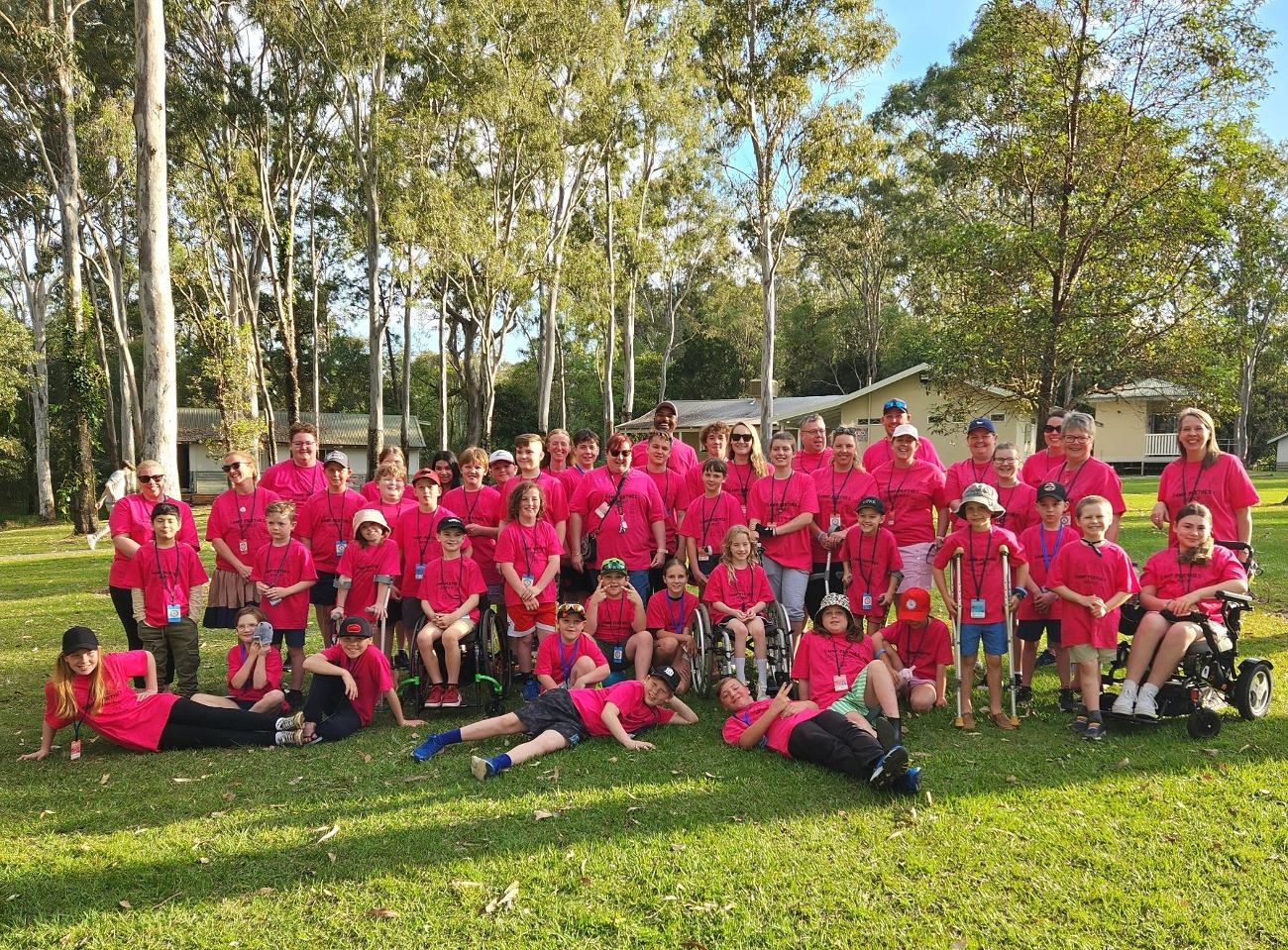
Camp Perthes runs on three continents, each led by local volunteers who know the journey firsthand.
{{ chapterCampName }}
Camp Perthes USA & Canada
Our flagship camp since 2013, held each summer in California. Open to campers across North America, with Perthes Kids Fly Free helping families reach it. 501(c)(3) · EIN 47-3841121.
Camp Perthes United Kingdom
A week-long summer camp for children and families across the UK, run by local volunteers. Registered Charity No. 1188505.
Camp Perthes Australia & New Zealand
Bringing camp to families across Australia and New Zealand, led by Perthes Kids Foundation Australia & New Zealand Ltd — a registered ACNC charity.
Camp Perthes South America
We're building toward the first Camp Perthes in South America, supported by our Latin America office. Coming soon.
Camp Perthes International
Week-long camps in the USA, UK, and Australia, running strong since 2013. Adaptive activities, new friendships, and a whole lot of fun for kids and their families alike — with South America coming soon.
Perthes Kids Fly Free
In partnership with Miracle Flights, we help provide free flights for kids with Perthes to attend Camp Perthes USA and reach Perthes specialists. Returning in 2028!
Global Ambassadors
Passionate volunteers who grow the Perthes community and raise awareness in their part of the world. Yes — there are perks!
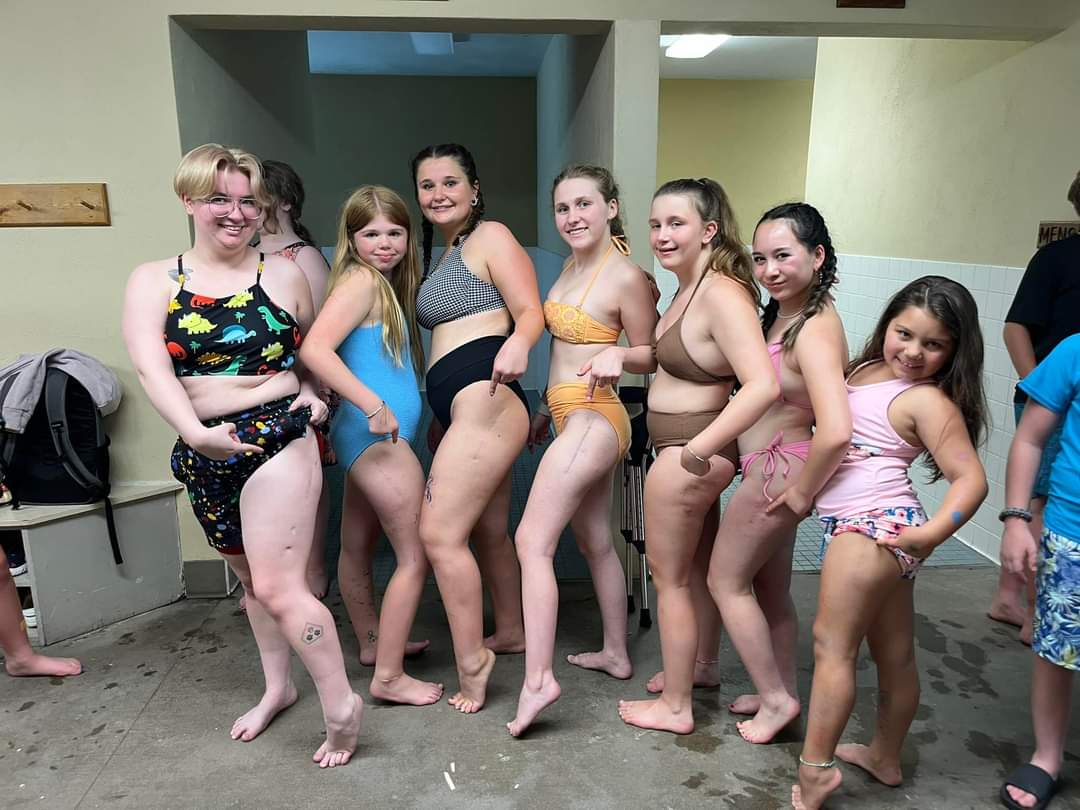
Where scars become superpowers
At camp, kids who spent all year hiding their scars finally show them off — because everyone here has one too. That's the magic of Camp Perthes: for one week, Perthes isn't the thing that makes you different. It's the thing you all have in common.
Fourteen summers of Camp Perthes USA
From a first gathering in Florida to our current home in California, camp has crossed the country — and never missed a summer, even through a pandemic. Tap a stop to explore each era.
{{ campEraLoc }}
{{ campEraYears }}{{ campEraBody }}
Everybody gets a cape
One afternoon every summer, every camper invents their own superhero — mask, cape, name, powers, origin story.
Most are ridiculous on purpose. Villains as often as heroes, powers nobody asked for: weaponised burping, mind control over squirrels, unlimited tacos. A few campers write the hip in — the cast, the crutches, the year of sitting out, reimagined as the thing that gave them the power — and the room goes quiet, then cheers.
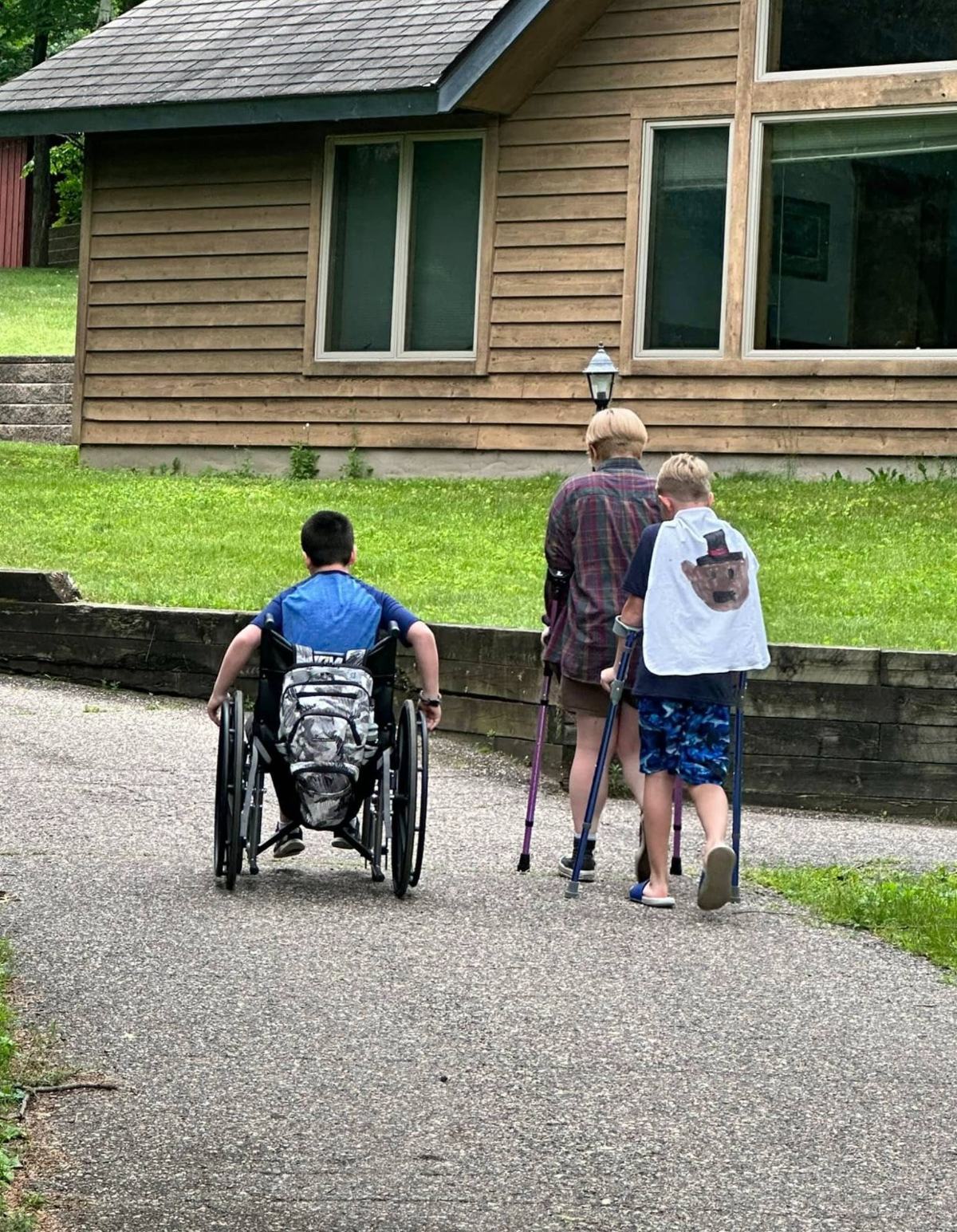
Crutches become part of the costume. Wheelchairs get decorated. For one afternoon nobody is the kid with the limp — Perthes doesn't get a vote.
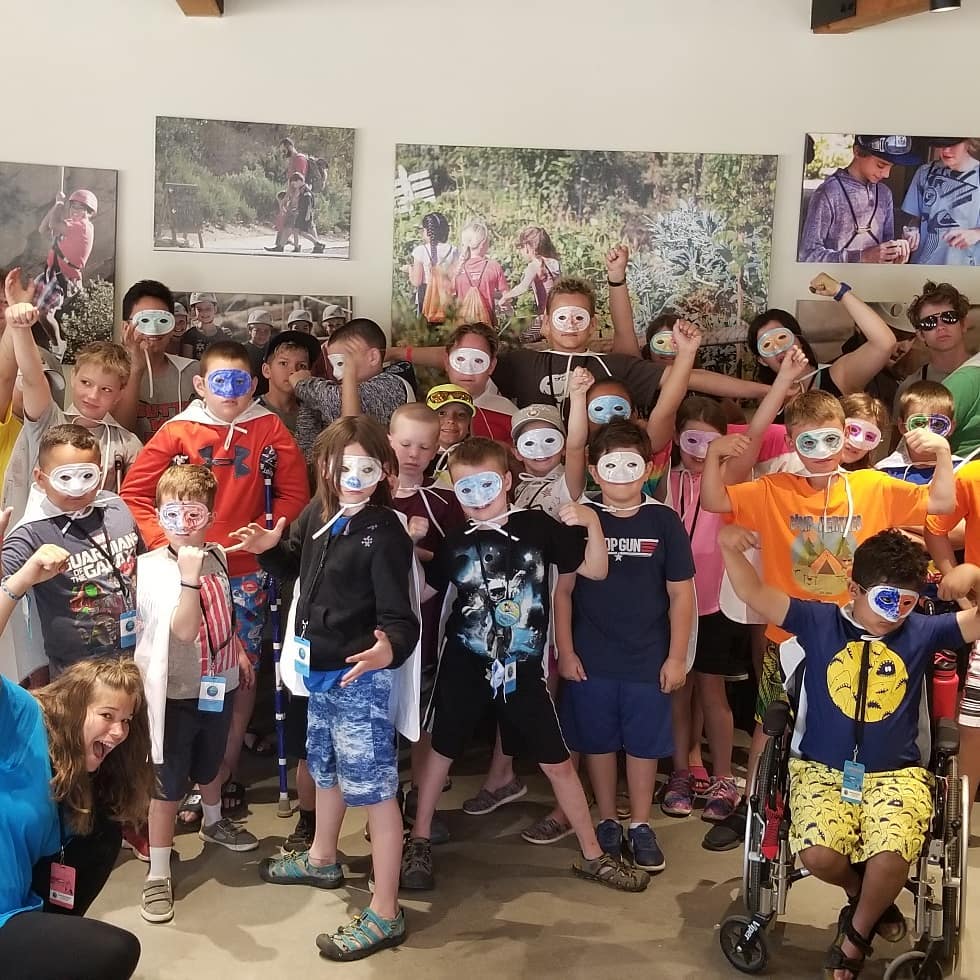
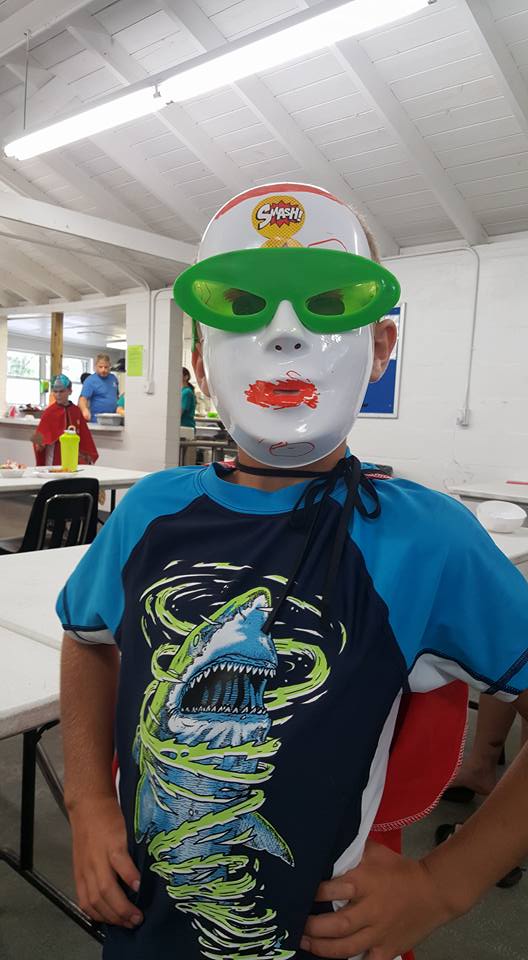
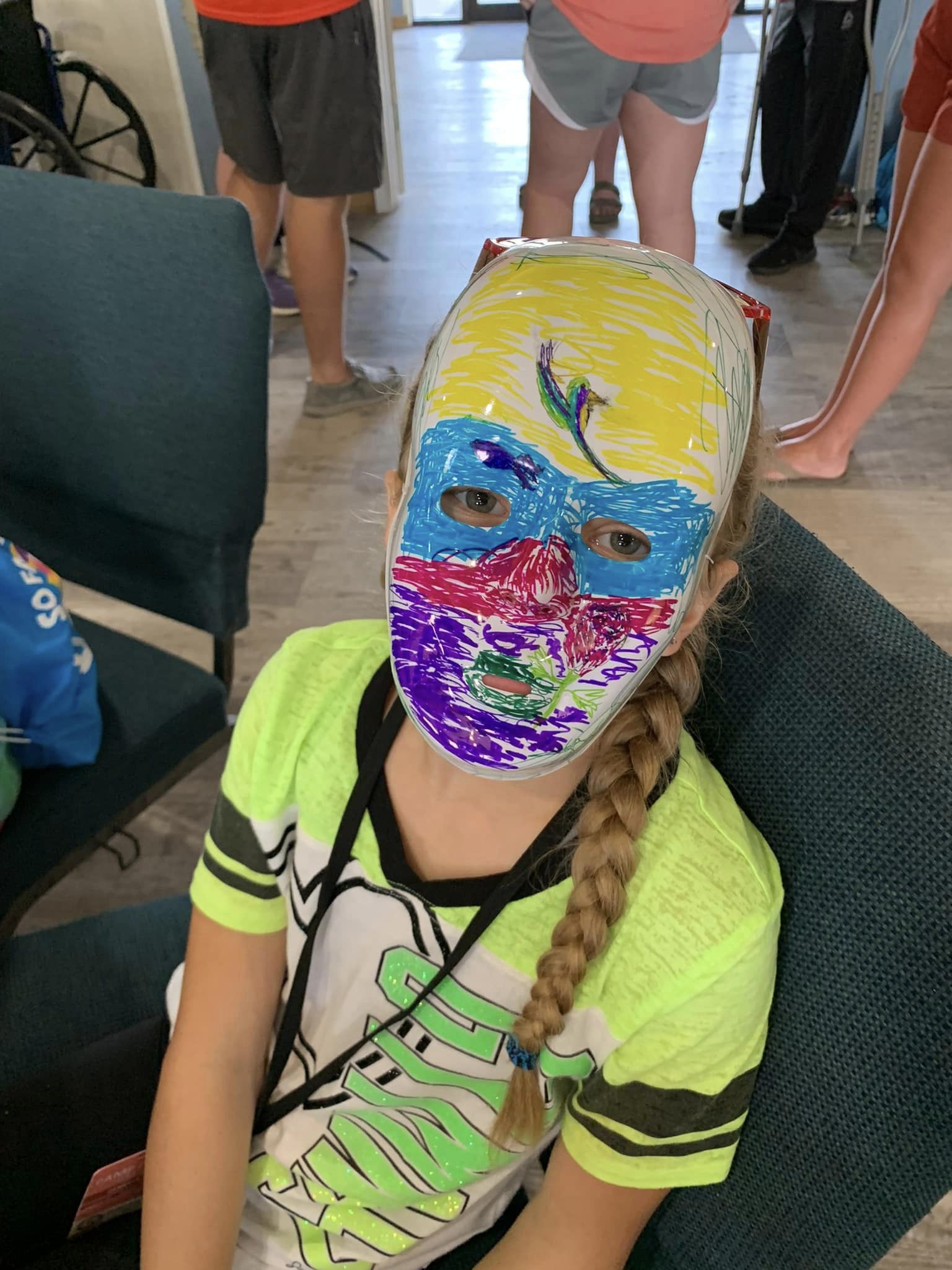
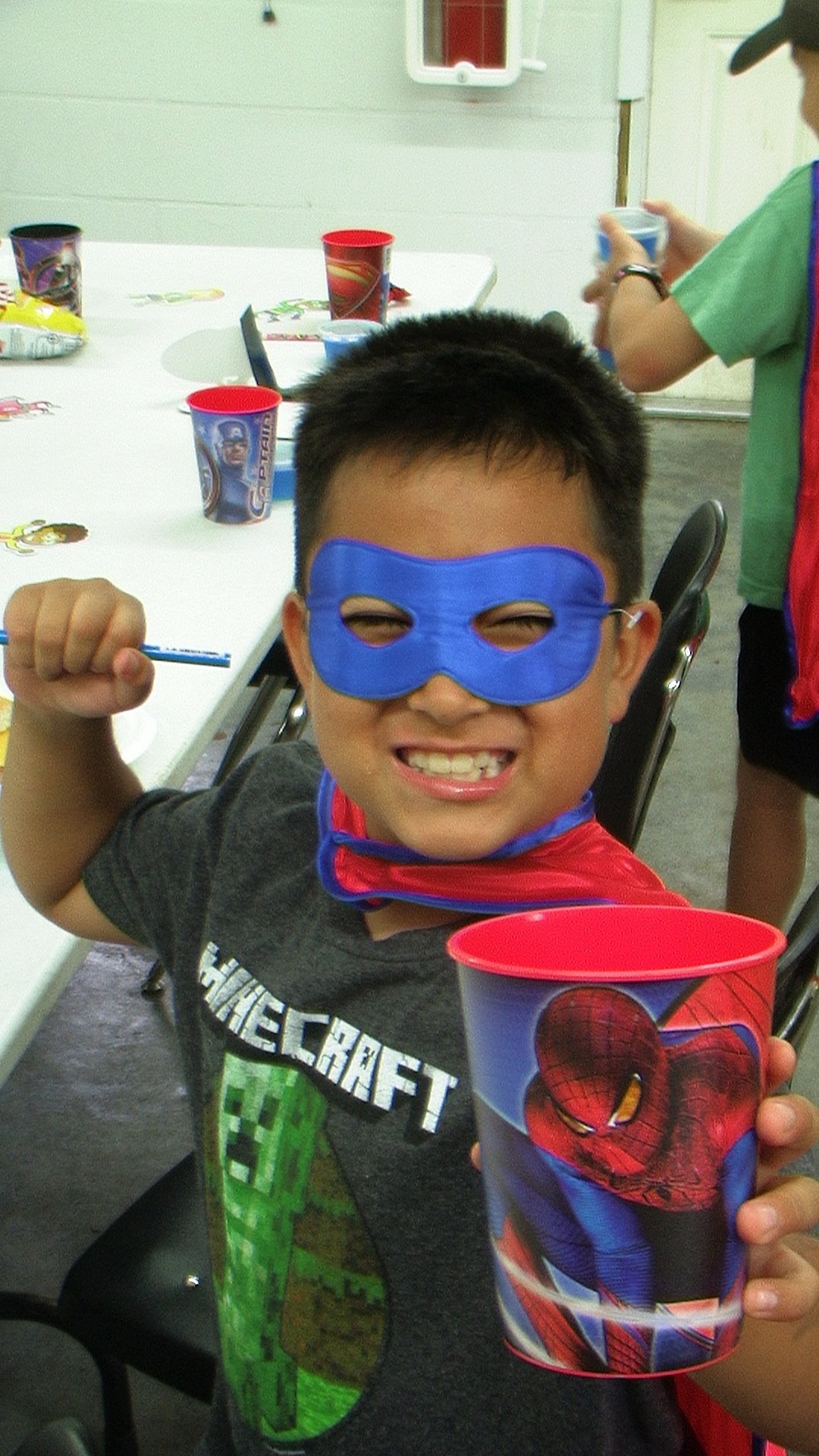
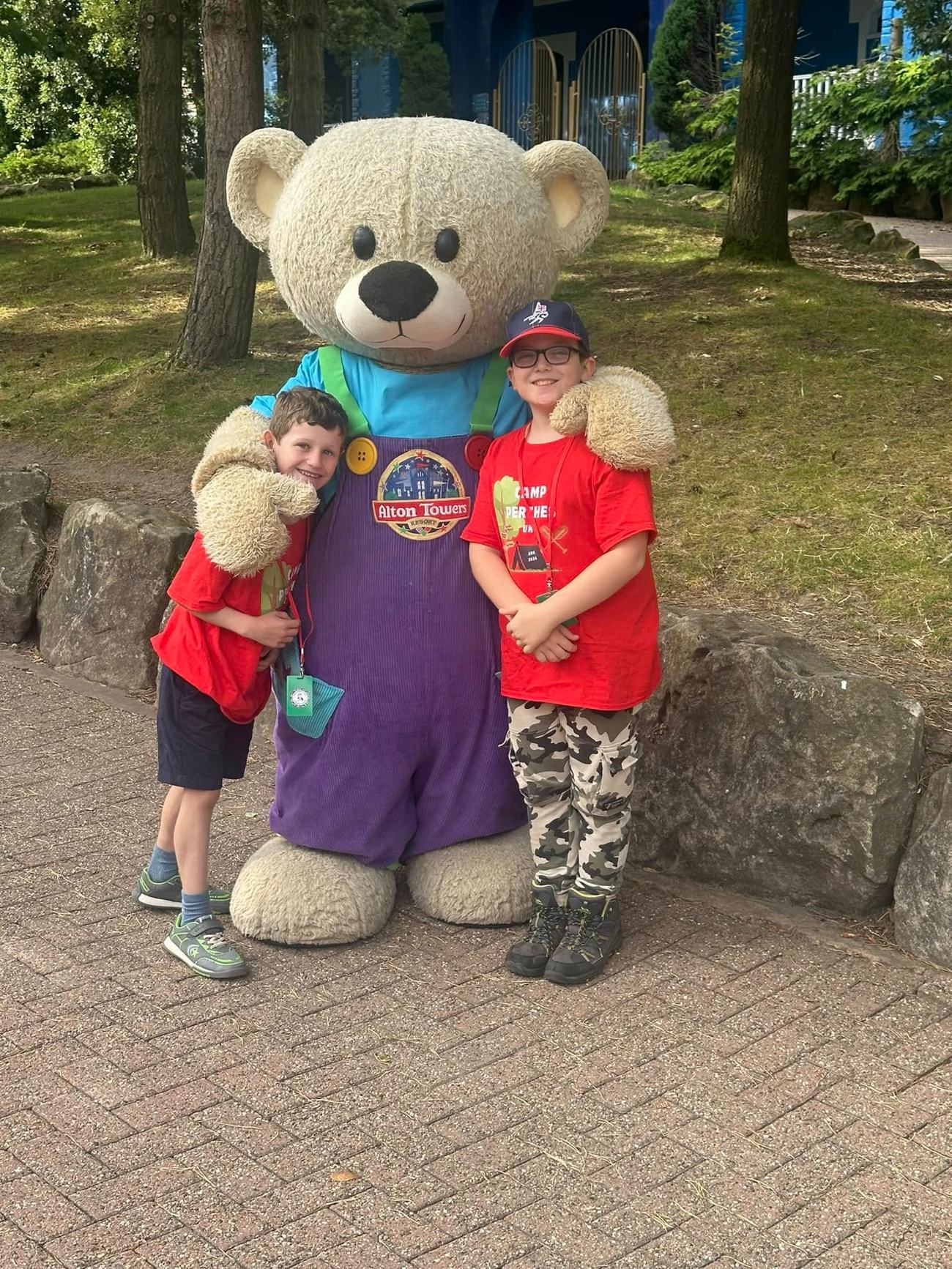
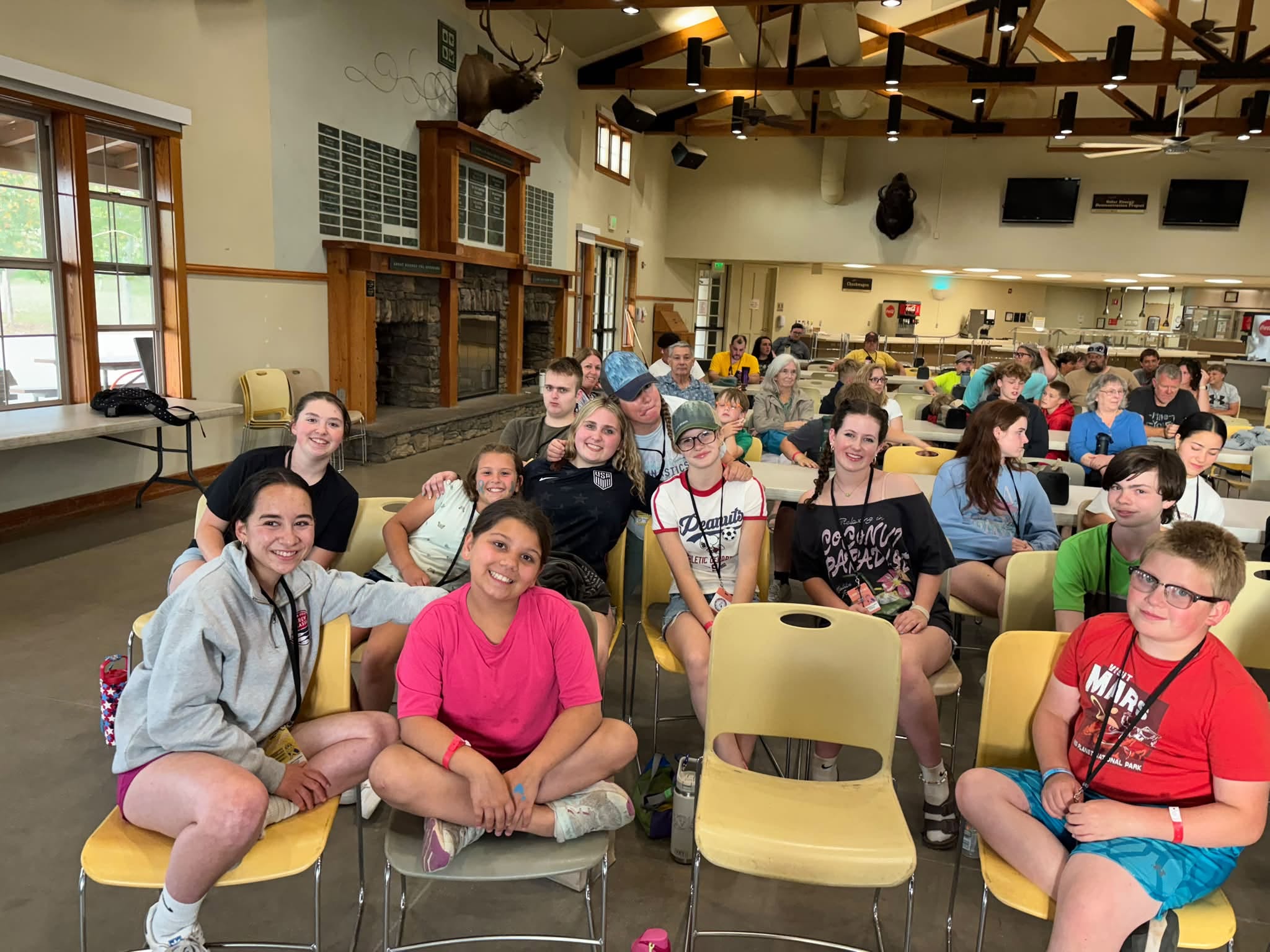
Camp, in full color
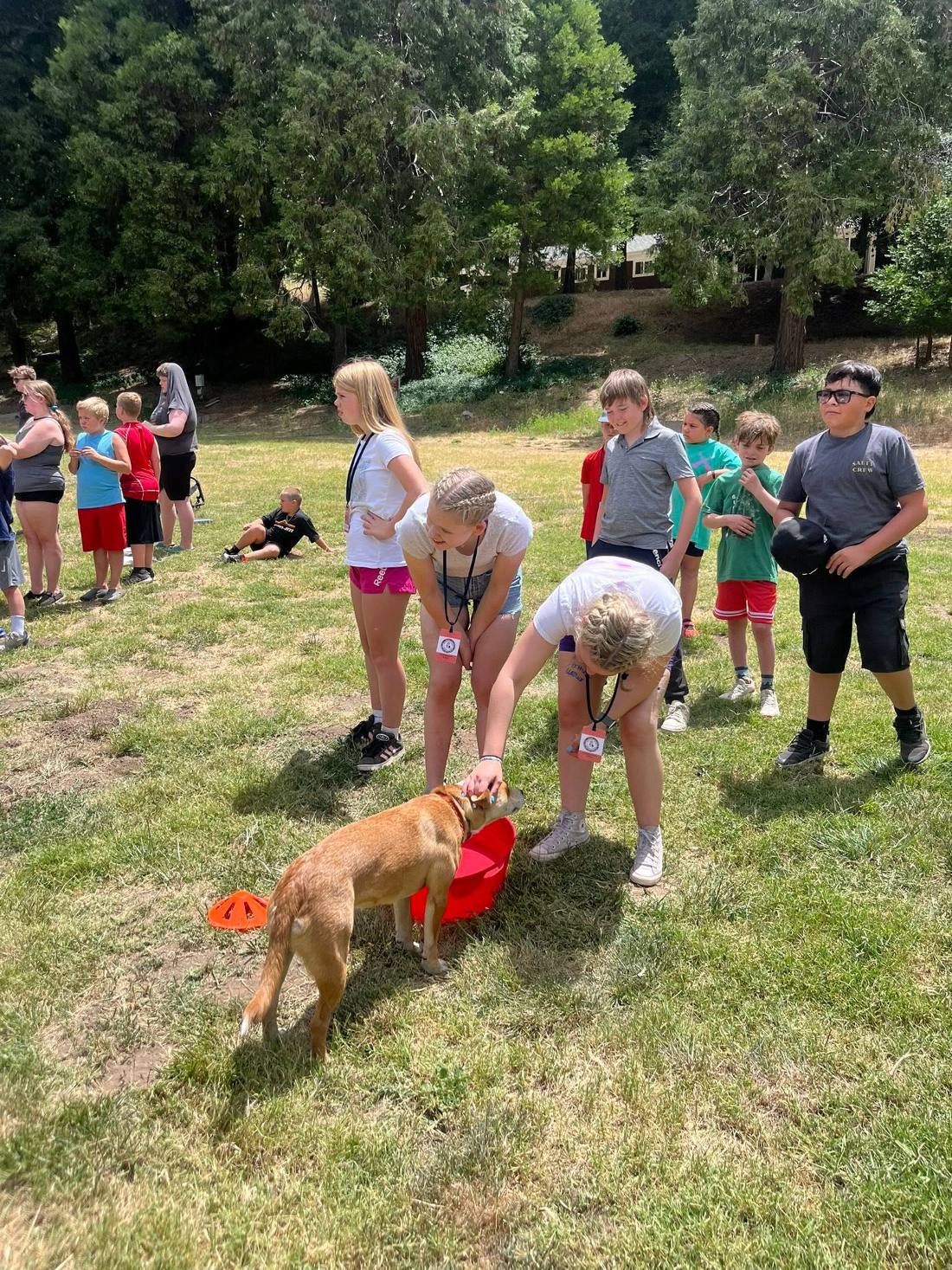
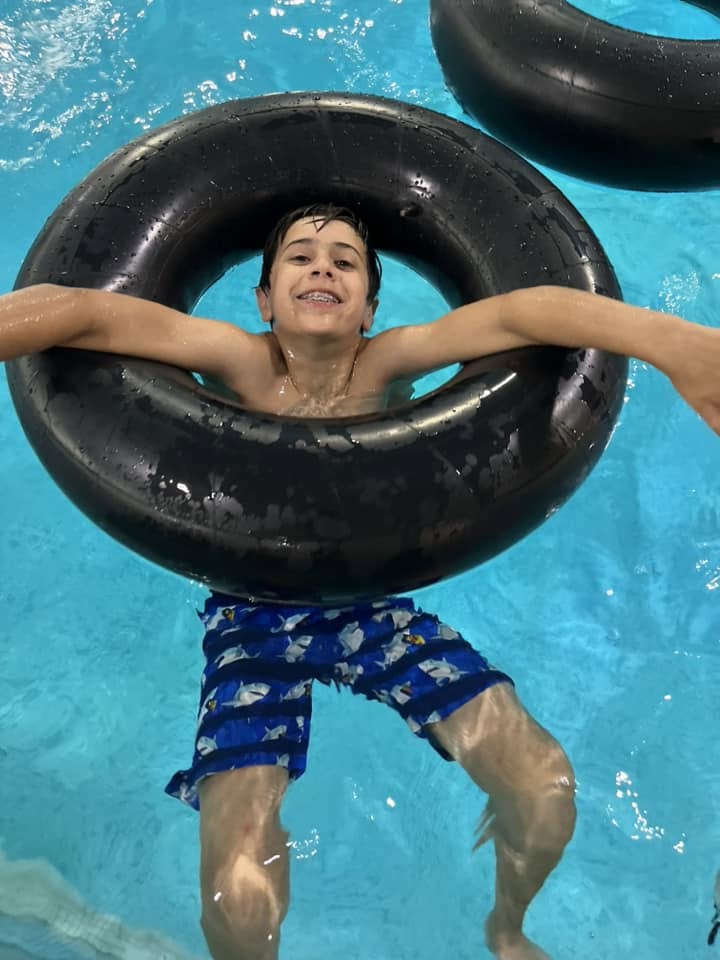
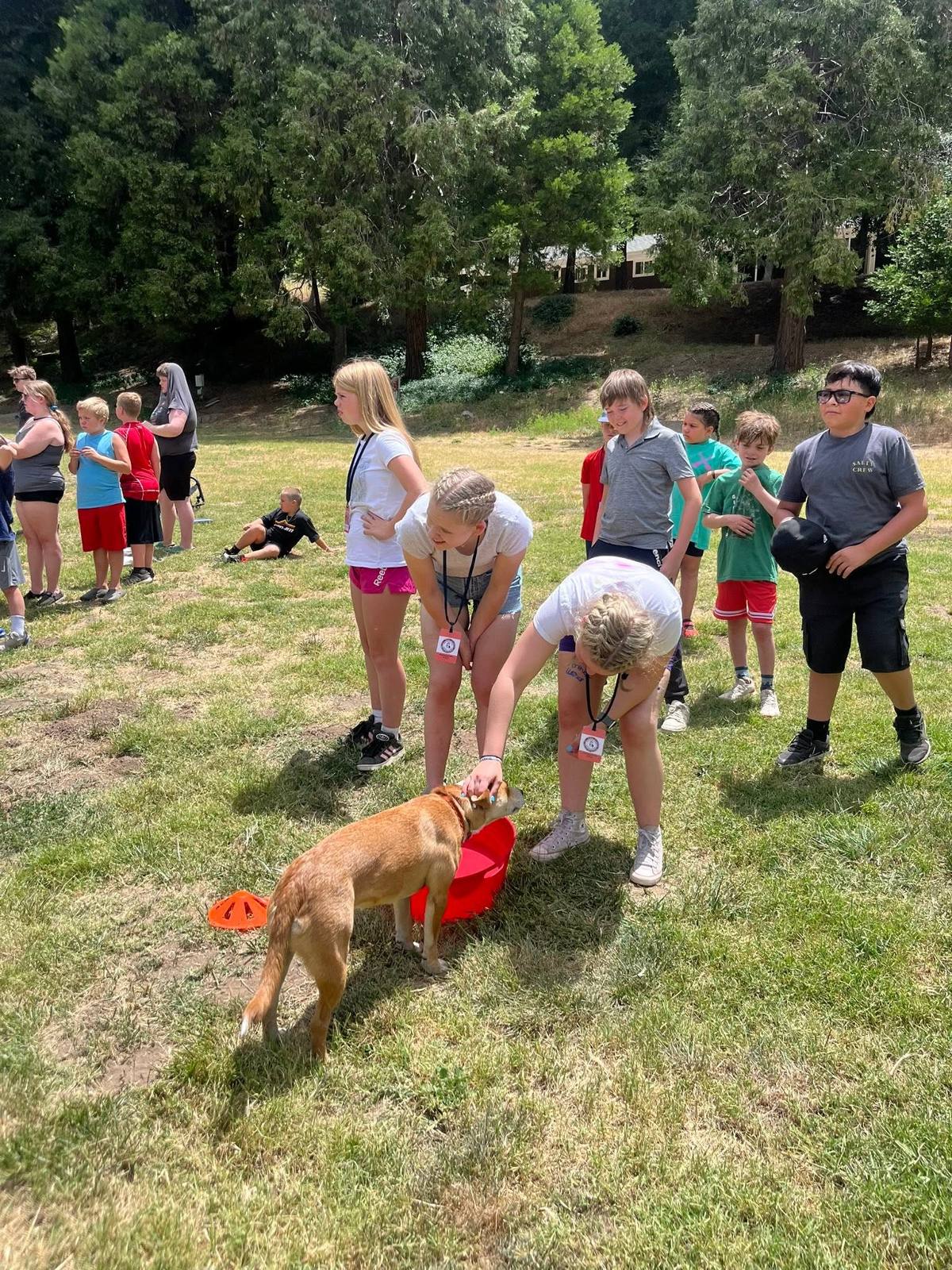
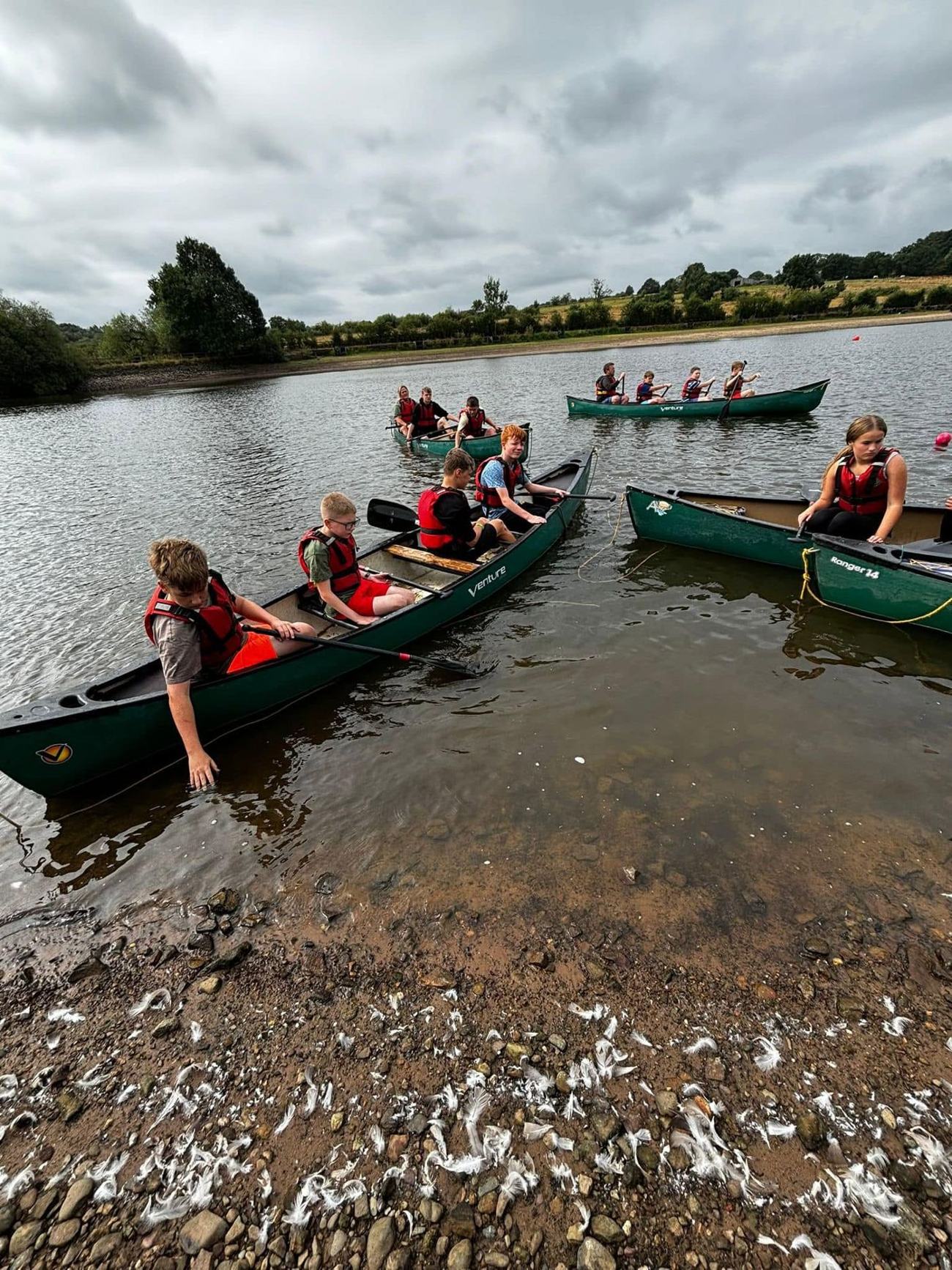
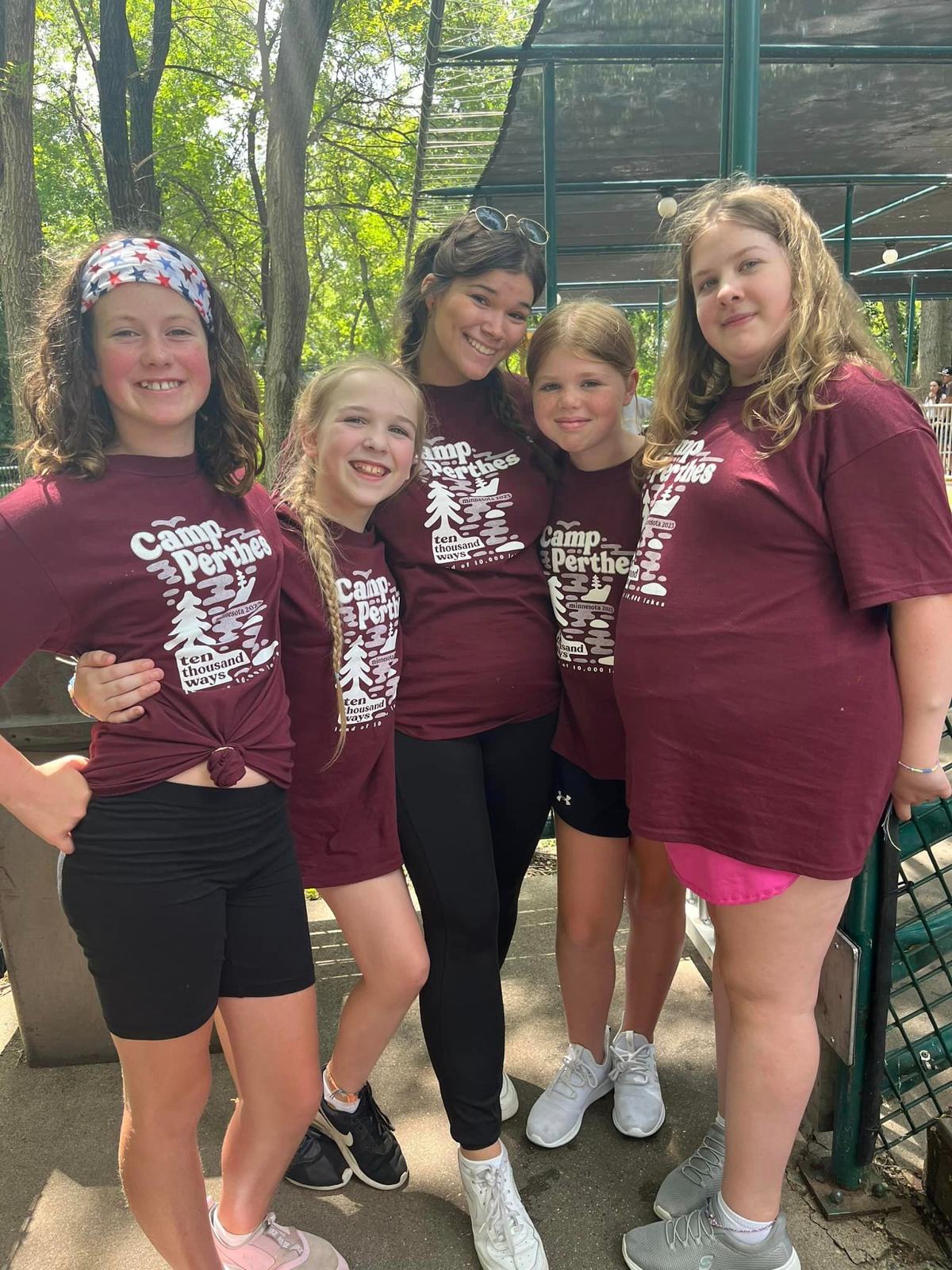
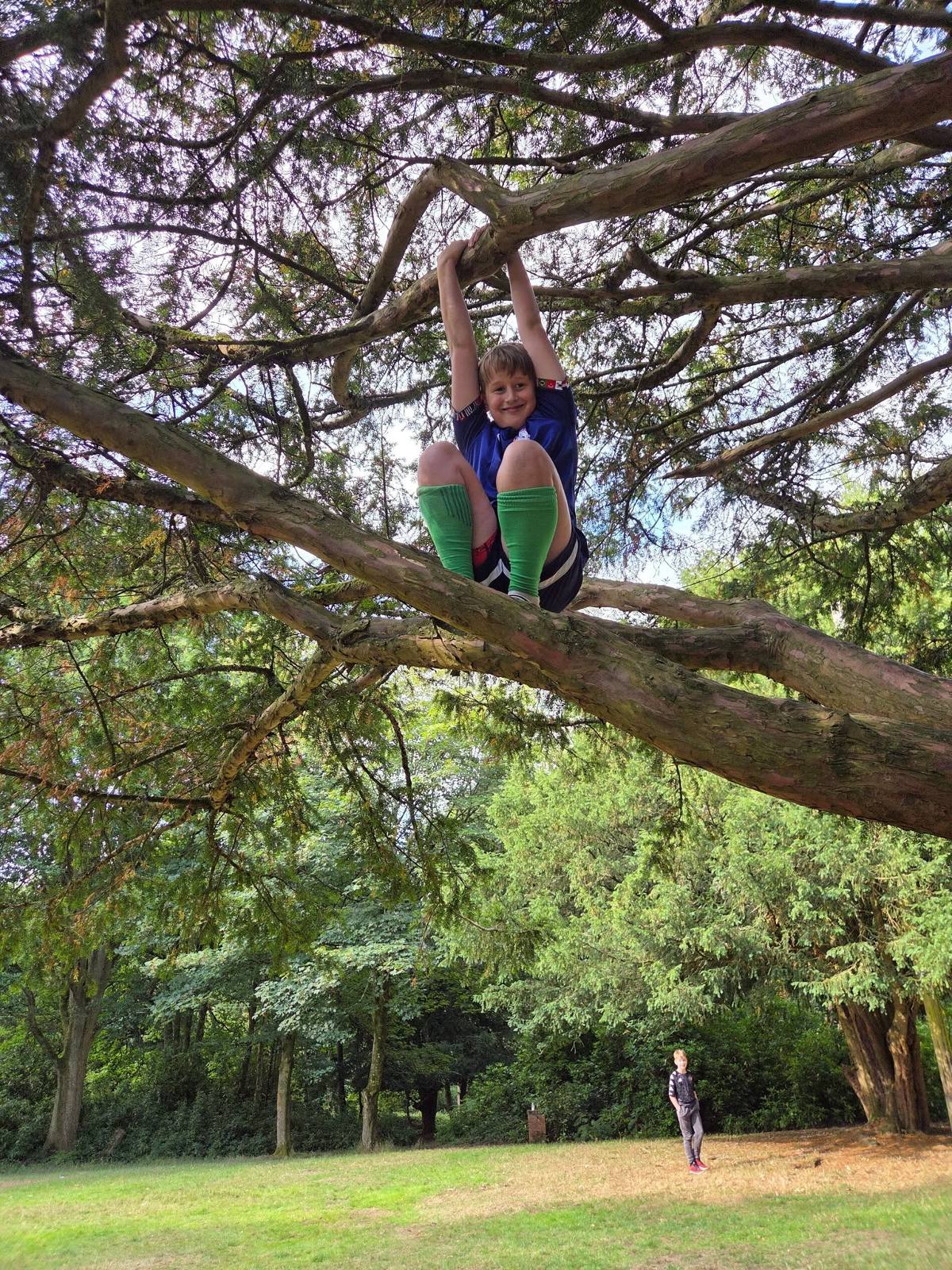
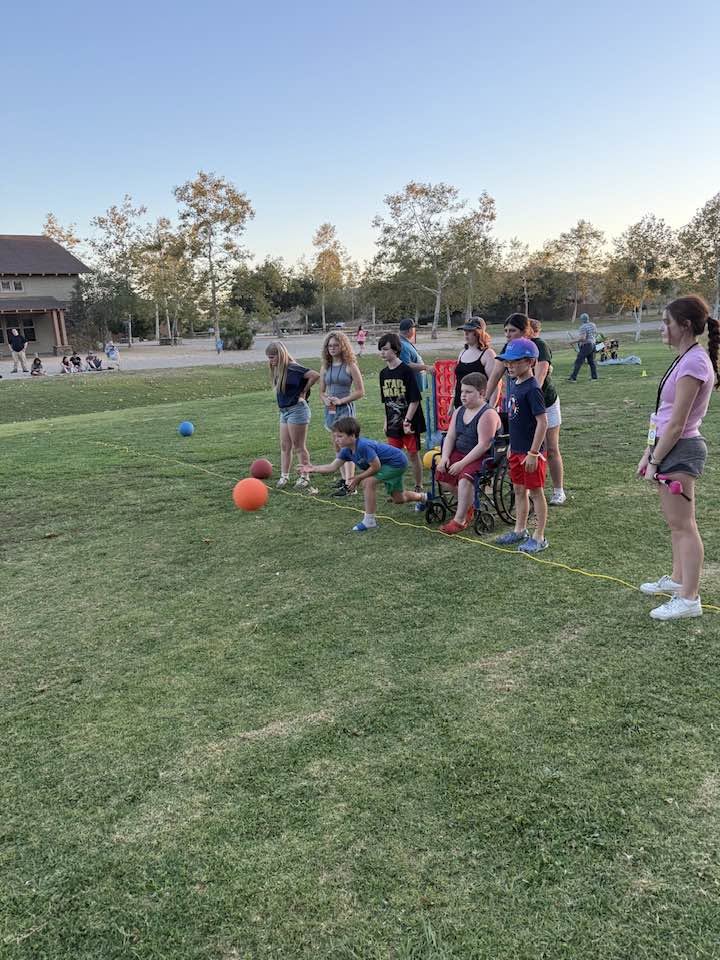
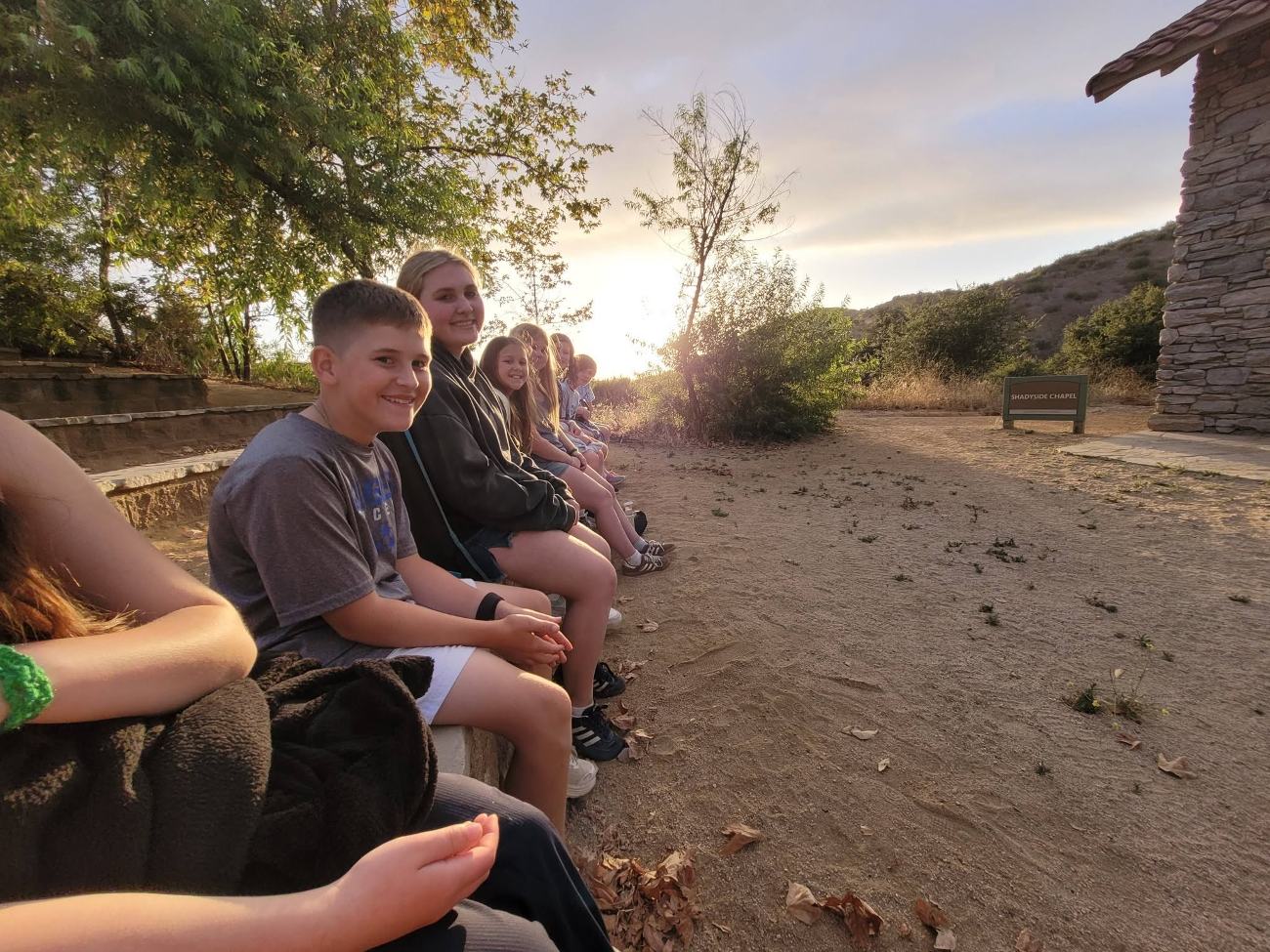
Zip lines and archery, capes and crutches, brand-new friends and belly laughs — this is what Perthes kids get to just be kids.
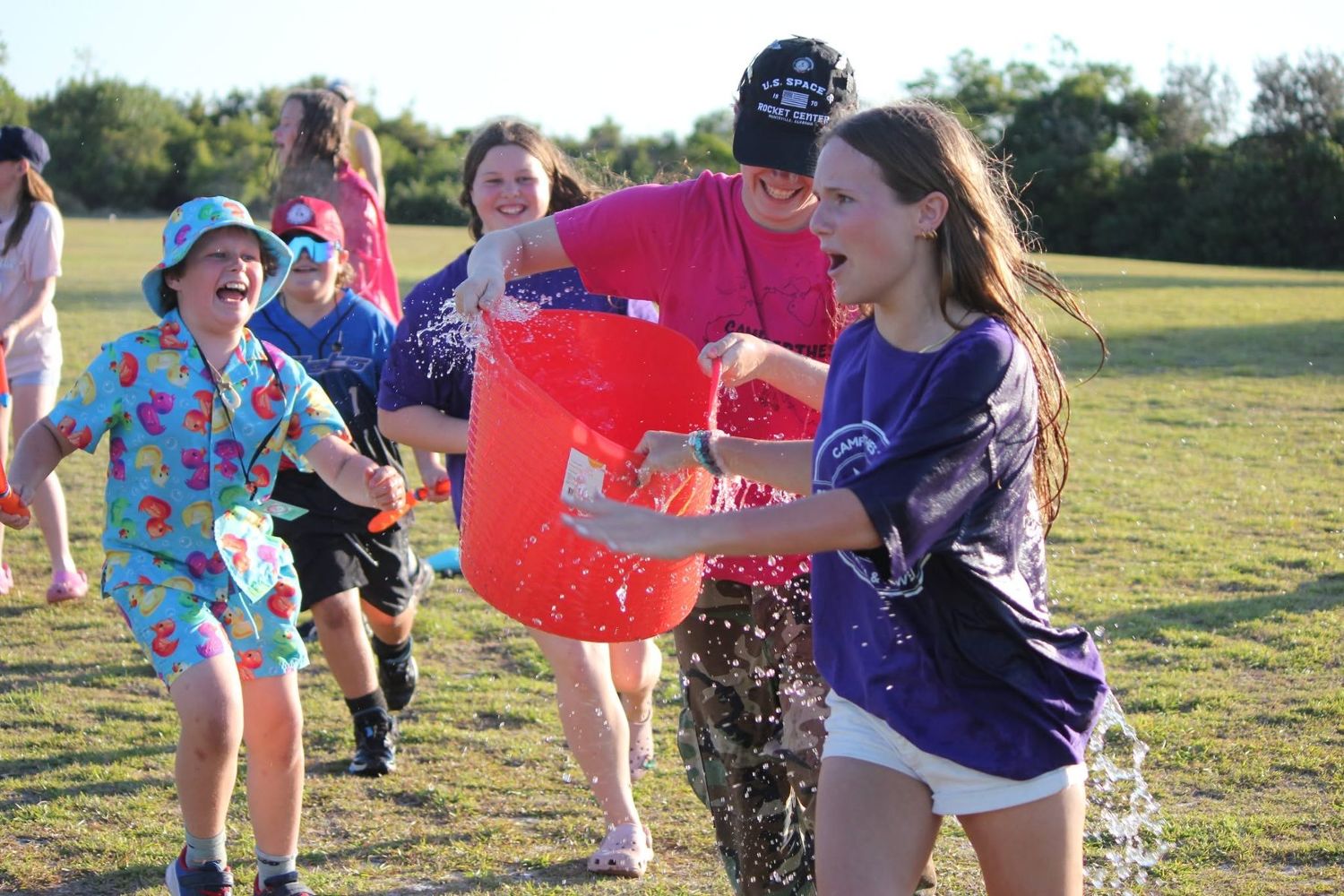
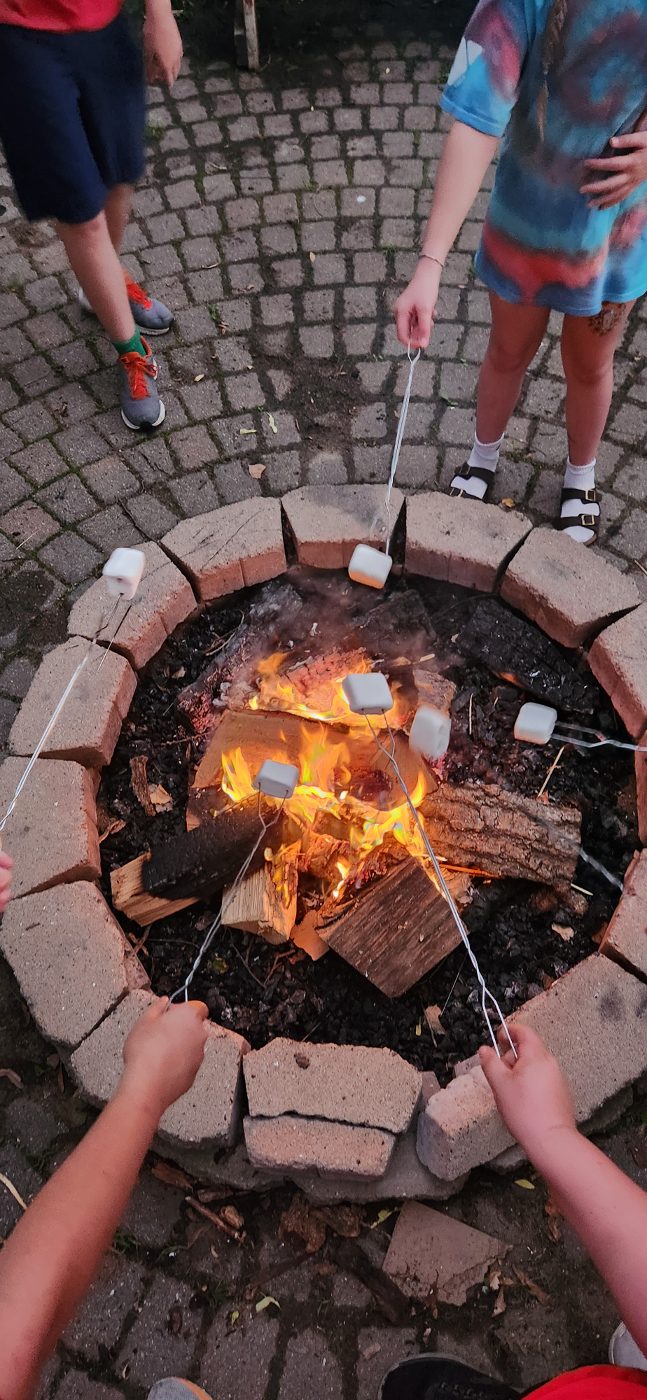
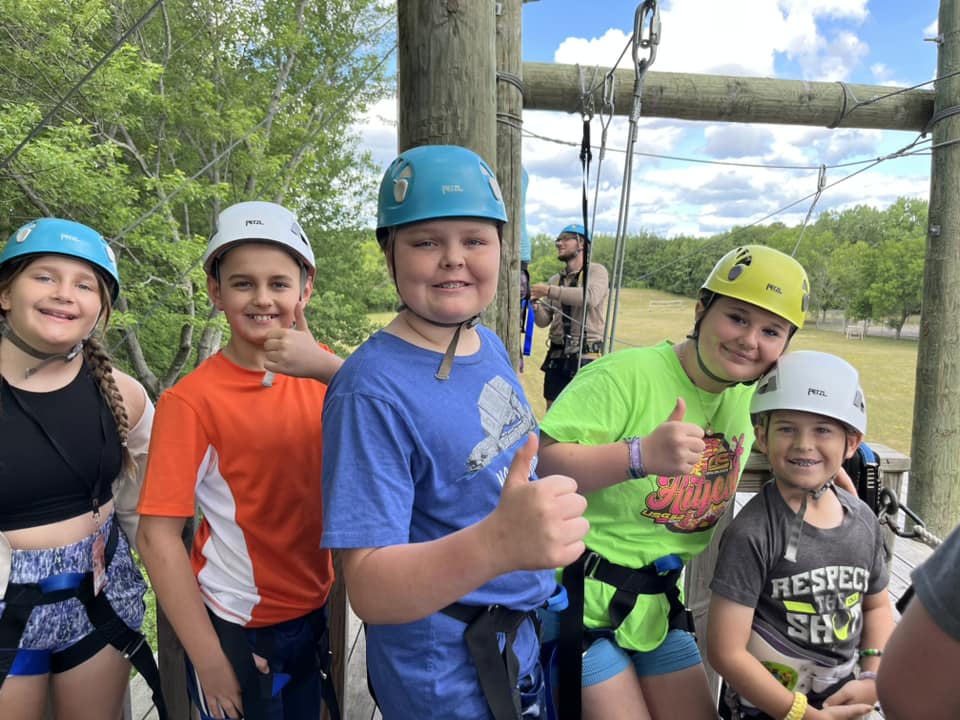
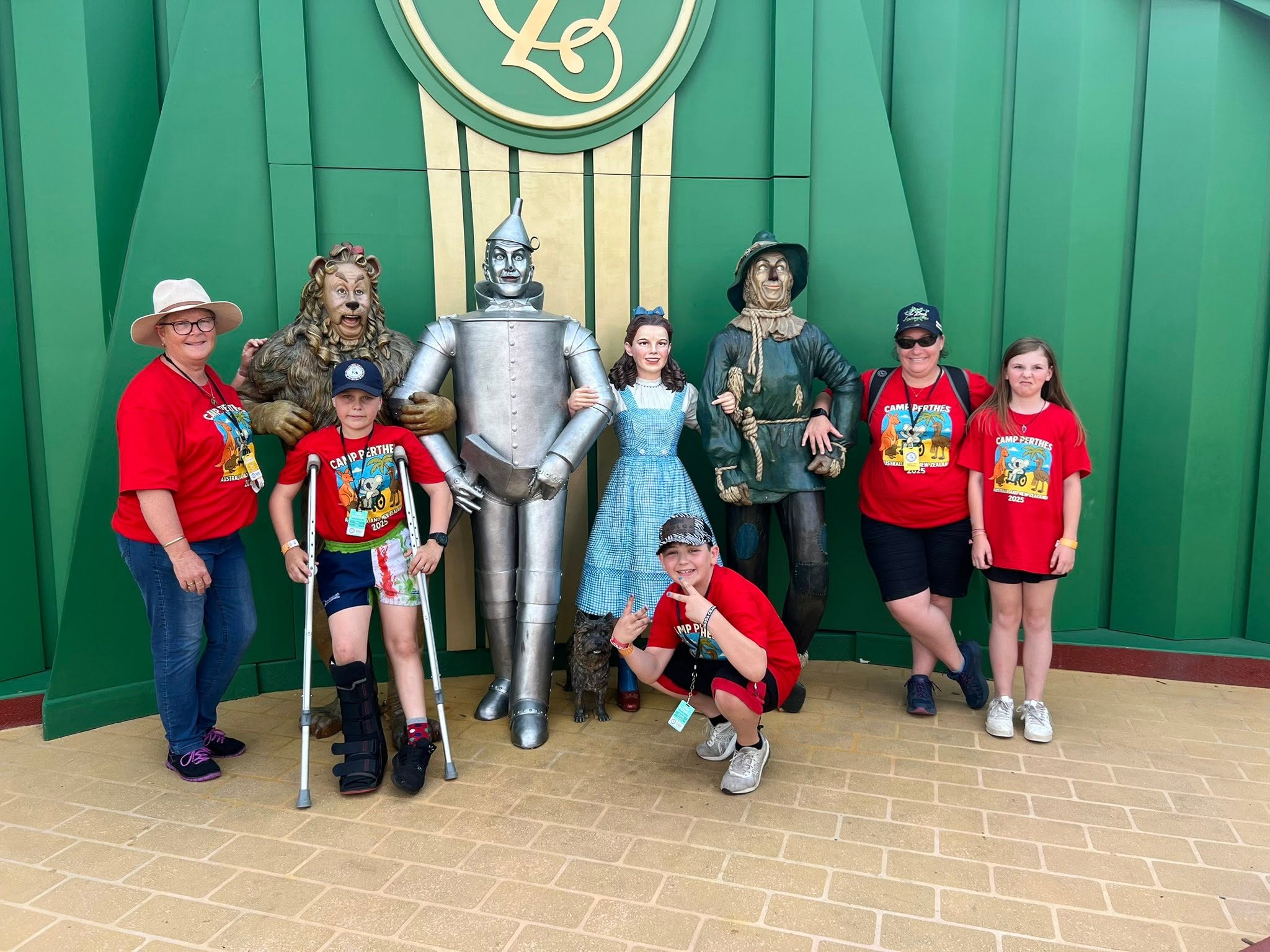
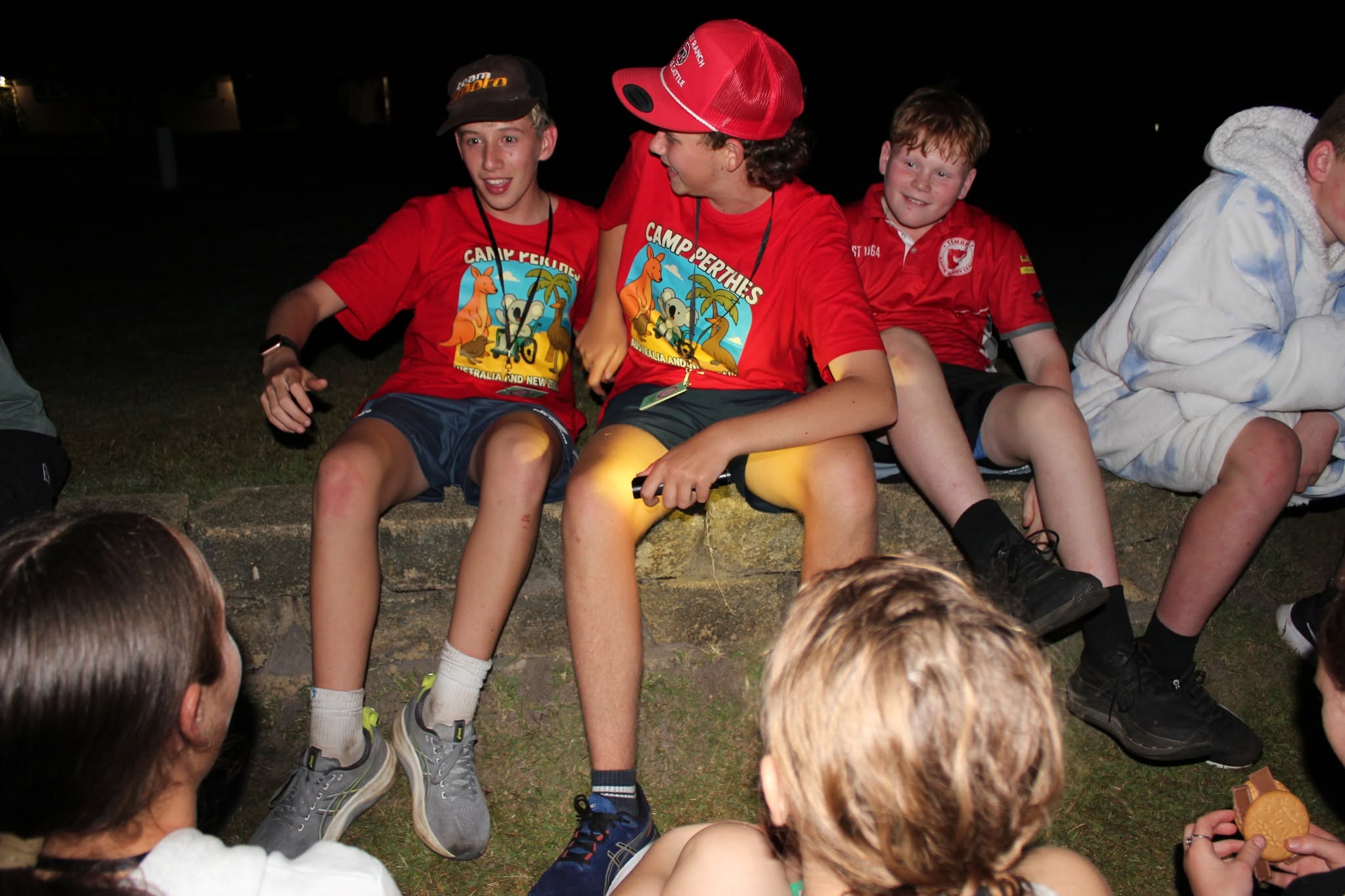
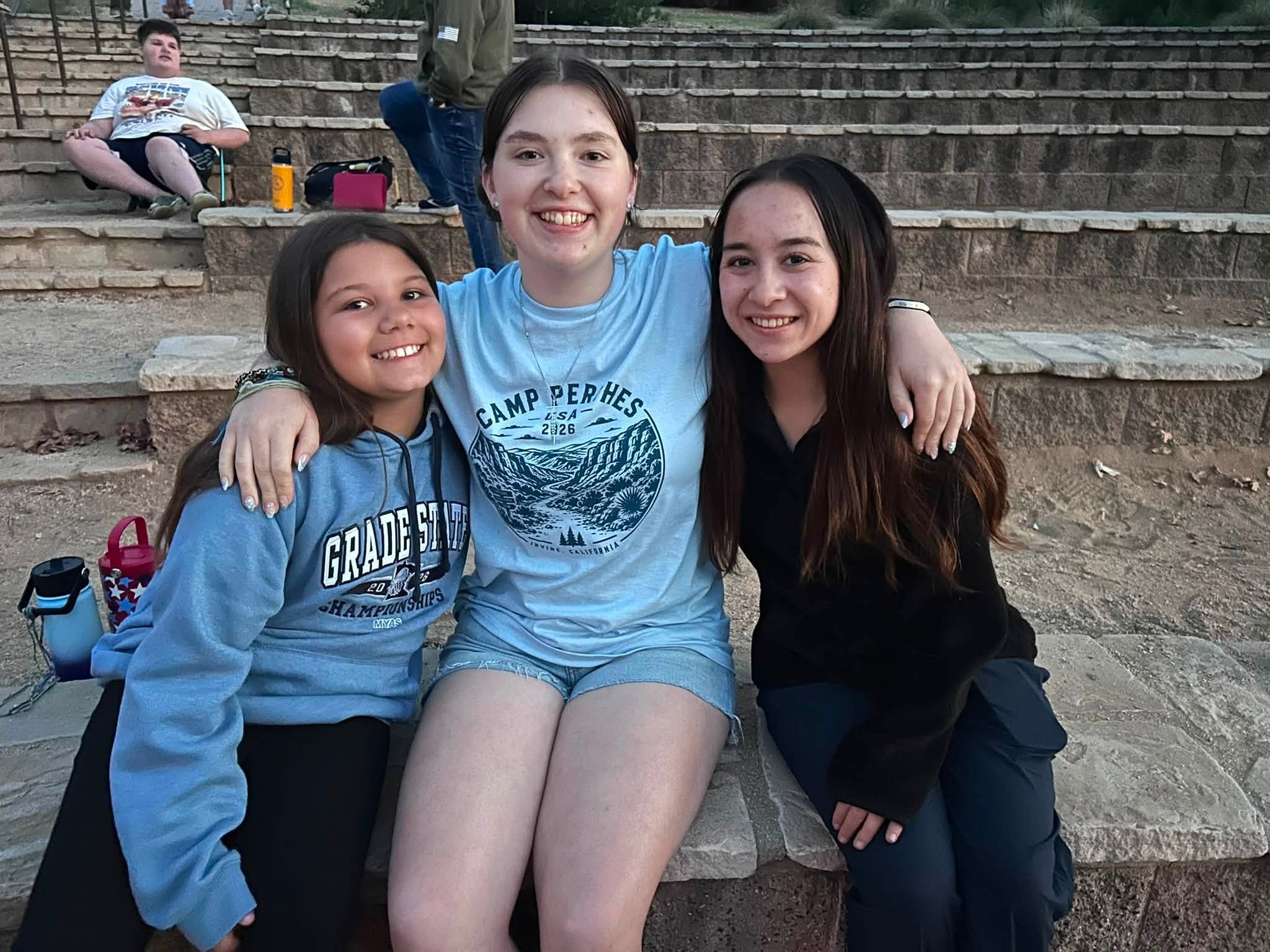
Camp in motion
See the smiles for yourself — watch Camp Perthes come to life on our YouTube channel.
The essentials
Camp Perthes has run every summer since 2013. Today we host three camps each summer — first in the USA, then the UK, then Australia — so families across the world have a camp to call their own. Camp is open to children diagnosed with Legg-Calvé-Perthes; teens ages 16–18 who've attended twice can apply as Counselors-in-Training.
Our camp philosophy
Safety first, then fun
Every volunteer is 100% dedicated to camper safety before anything else. Medical needs, allergies, and mobility are planned for so every child can join in.
Every child, equally
Camp isn't about any one camper — volunteers give their time equally to all the kids, so no one feels left out and every child has their best possible week.
Led by those who get it
Our volunteers are adults who had Perthes and parents of Perthes kids — mentors who've walked the same road and show campers what's possible.
Even more ways to help
A Perthes Financial Assistance Program, Perthes In Action Network, International Volunteer Program, and much more.
Applications aren't open yet. Leave your details — whether you'd like your child to attend, to volunteer, or to help another way — and we'll reach out the moment the camp nearest you opens.
Form not loading? Open it in a new tab →
Parents, kids, adults with Perthes, and clinicians connected worldwide.
From North America to Latin America, the UK, Australia & beyond.
Founded in 2007 by a Perthes survivor — and growing ever since.
USA (2013), Australia (2016), and the UK (2018) — with more on the way.
Directed to camps, equipment, resources, and research.
Every dollar goes to Perthes programs, families, and awareness.
Figures reflect our global community to date. Final audited figures are available on request.
What camp has meant, in numbers
Estimated across every camper we've sent since 2013, together with their parents and siblings and the volunteers who make camp possible — the wider family reached by our advocacy since 2007.
Where every gift goes
Camp & experiences
A week where Perthes kids meet others just like them — plus the field-trip day, supplies, and activities that make it unforgettable.
Travel to specialists & camp
Helping families reach the right Perthes doctors and get to camp — support toward flights, hotels, and travel so distance and cost never decide a child's care or their week at camp.
Research & scholarships
Funding the International Perthes Study Group and the world's largest patient survey — and building toward scholarships for Perthes kids.
Education & resources
Doctor-reviewed guides, printable downloads, and a bilingual live assistant so no family faces a diagnosis without clear answers.
Global advocacy & awareness
As a NORD member and Rare Disease Day partner, raising awareness worldwide so Perthes is understood by schools, employers, and the public.
Community & outreach
The global Family Locator, PKF merchandise, and the social-impact and promotional work that keeps this worldwide community connected and growing.
A year of showing up
Milestones from our global community, on and off the field.
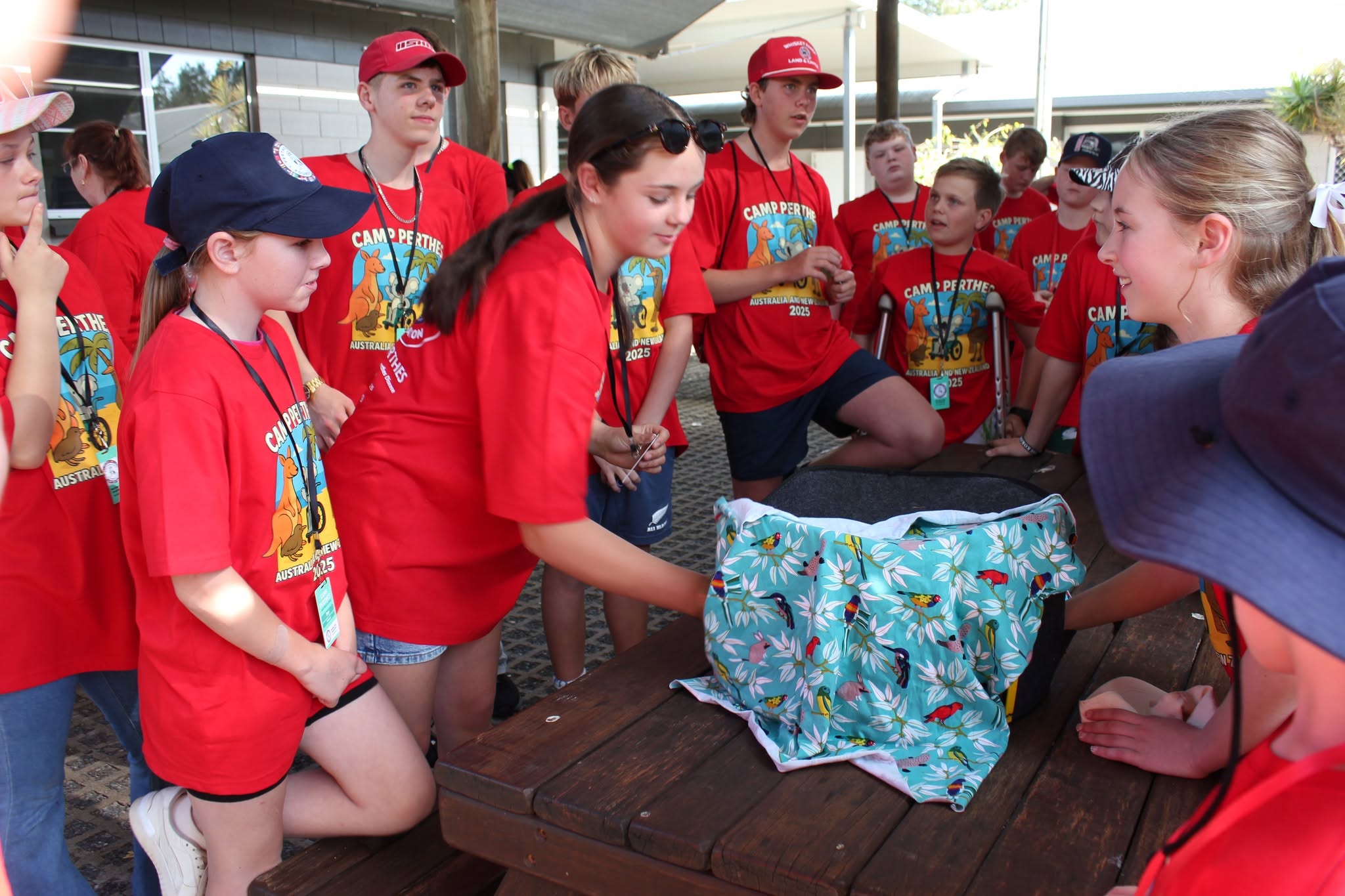
Camp Perthes ran across the USA, Australia, and the UK — belly laughs, zip lines, and lifelong friendships.
Our Family Locator kept connecting parents, adults with Perthes, and specialists across 60+ countries.
We welcomed newly-diagnosed families with a bilingual site and Percy, our always-on guide to trusted Perthes info.
What your gift does
Slide to any amount and see the difference it makes for a Perthes kid. Every gift, big or small, becomes something real.
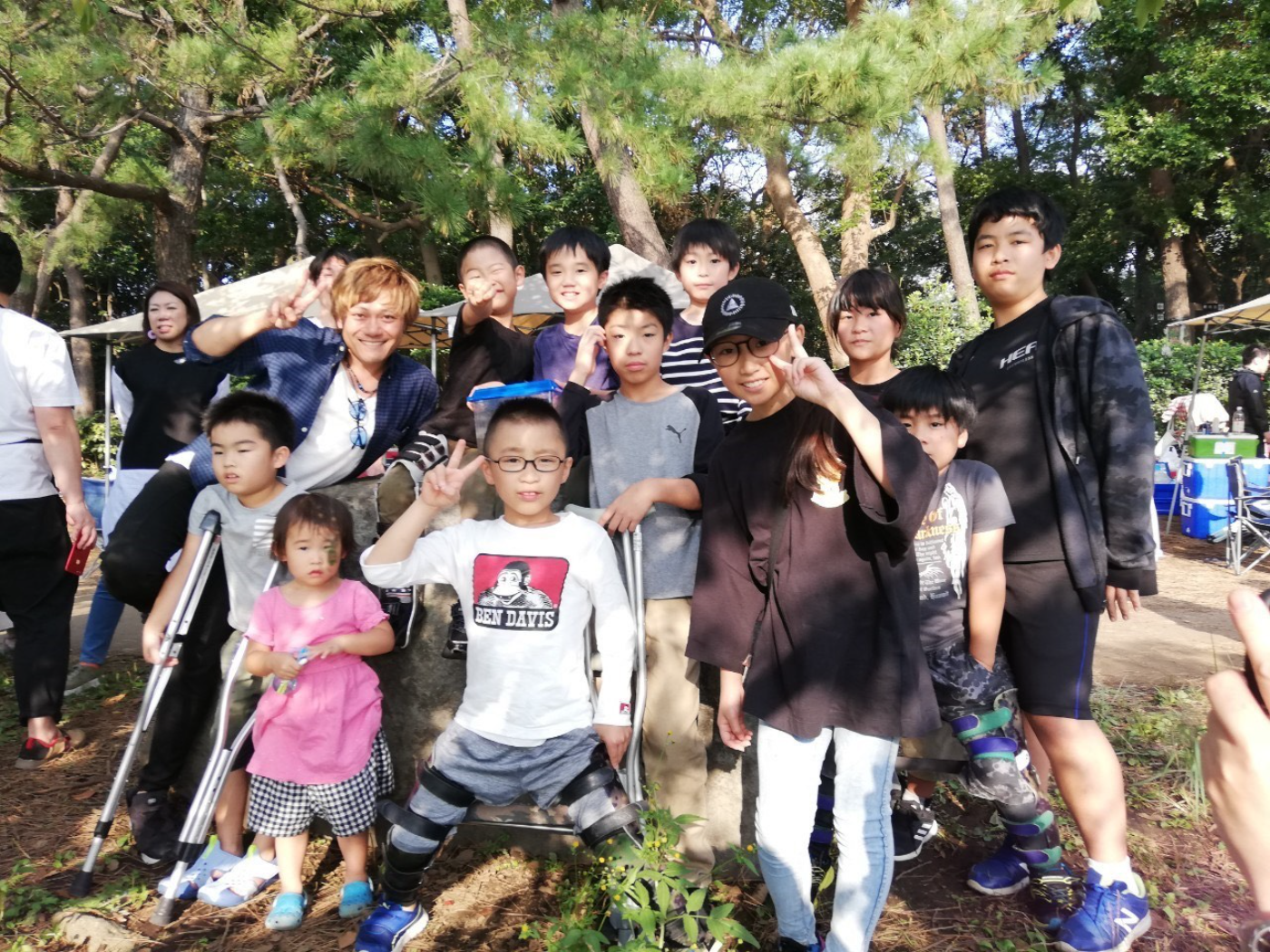
Superview — a Perthes family in Tokyo
Perthes knows no borders. Superview is our affiliate charity in Japan, bringing families together for meetups where kids on crutches and in braces find their people — just like ours do. We were lucky enough to visit, film, and interview their founder, Yuji, in Tokyo for our documentary Rare Kind.
Your gift becomes a camp scholarship, a resource for a scared parent, a step toward a cure. Join the family.
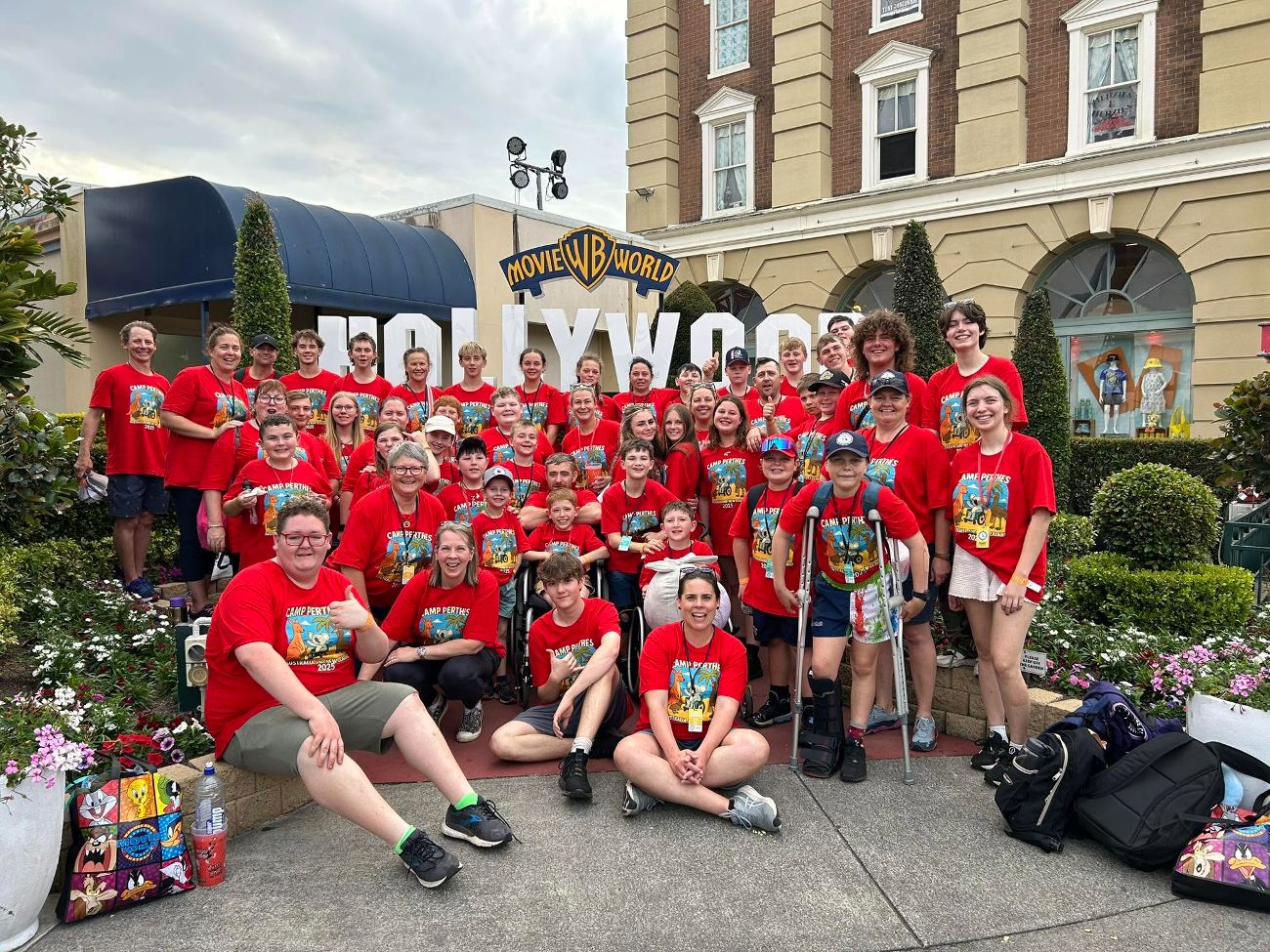
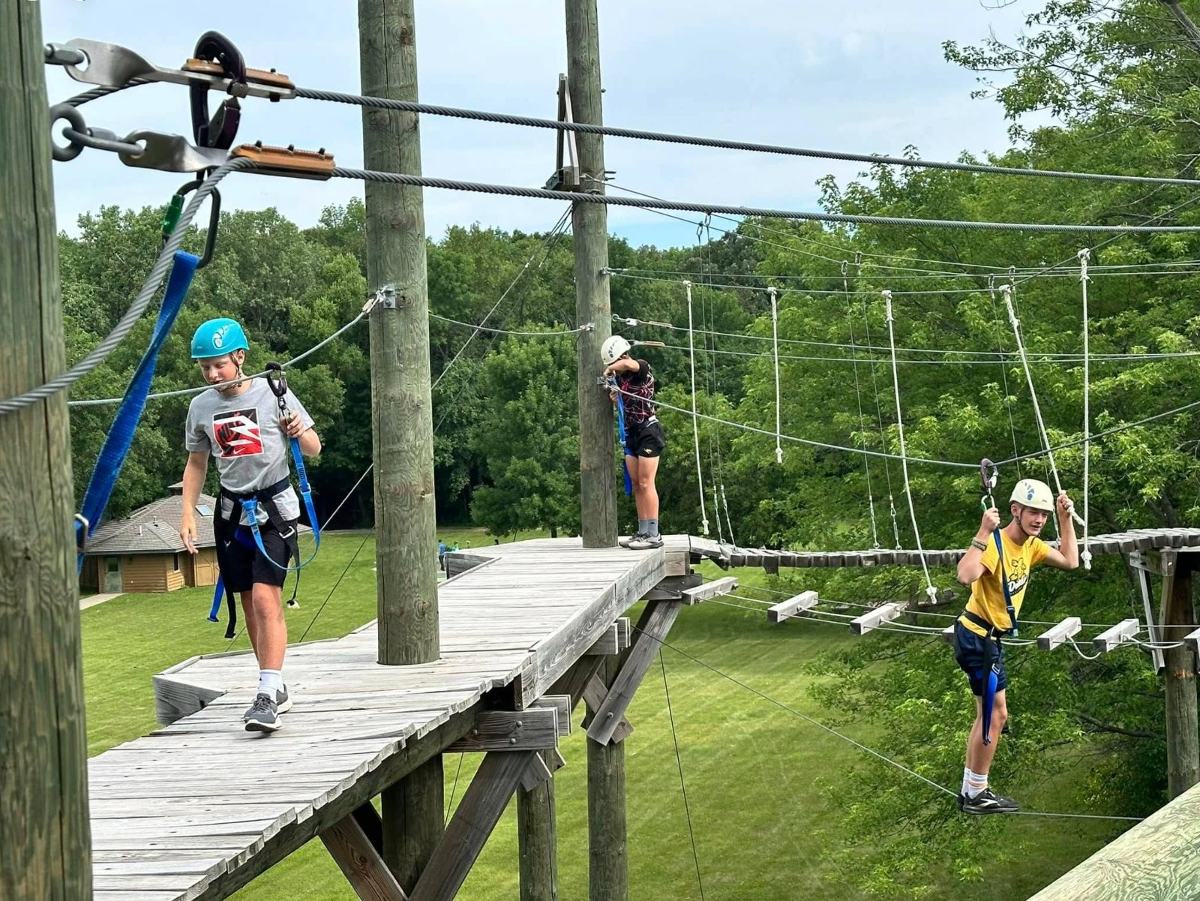
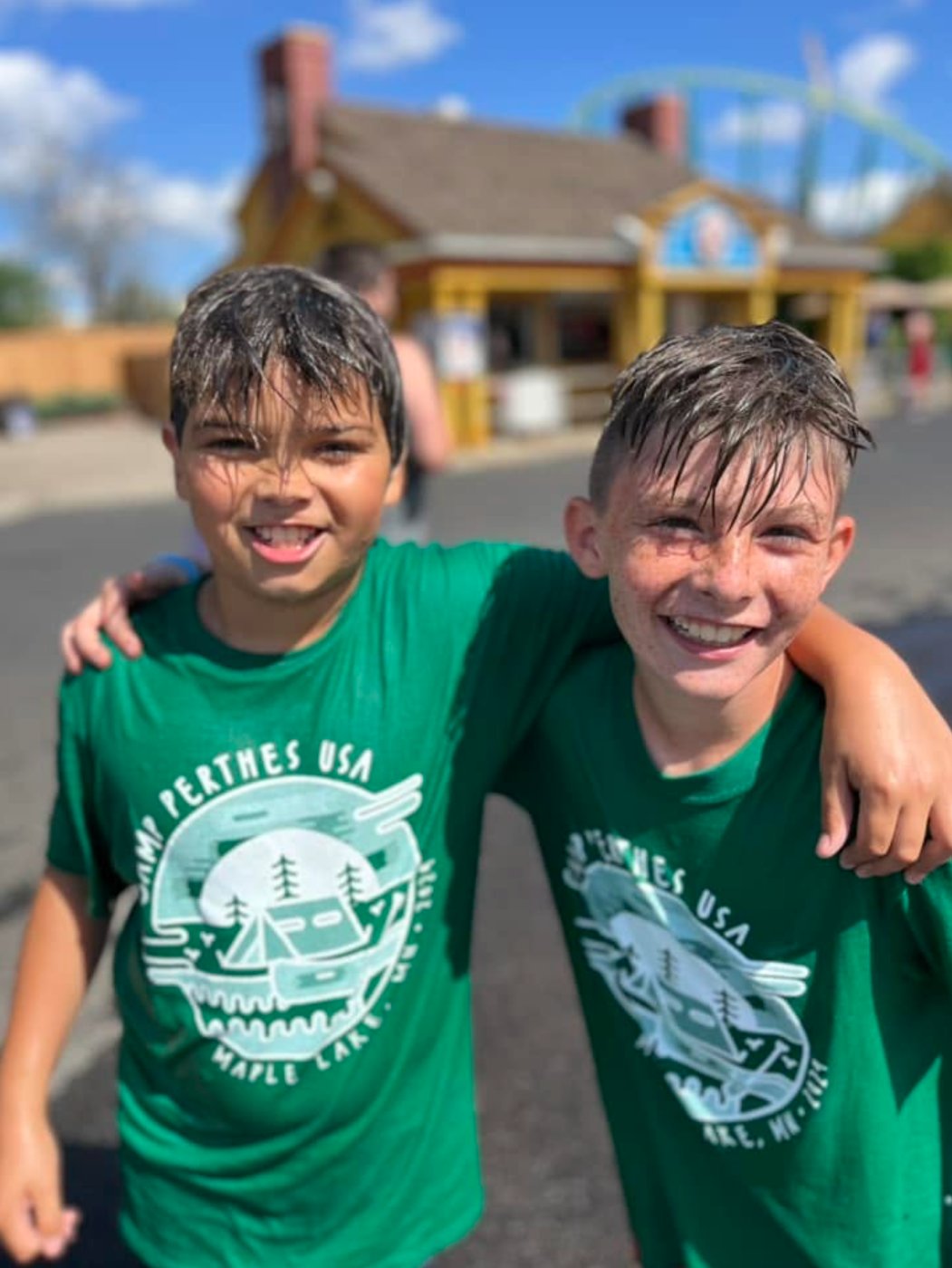
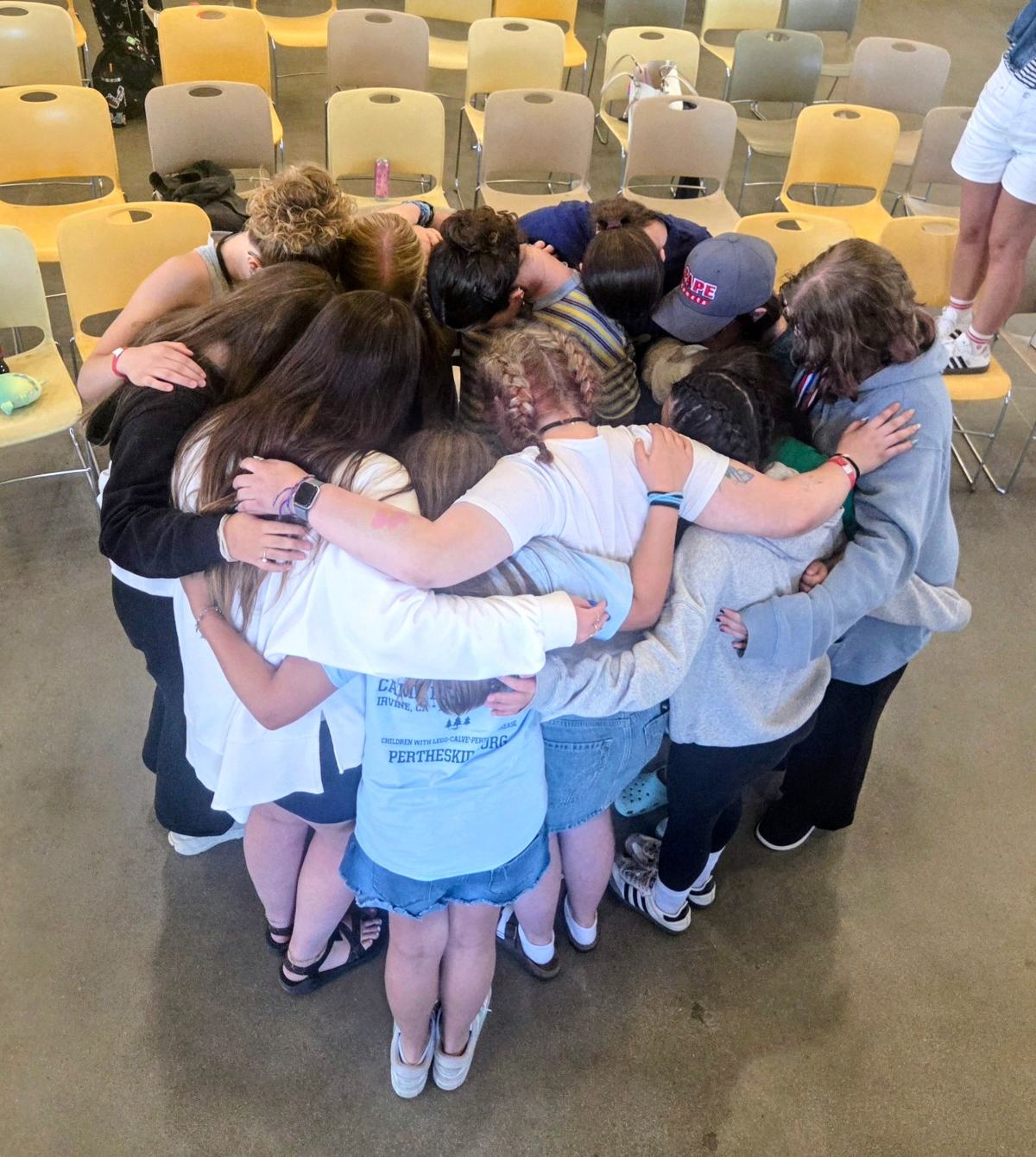
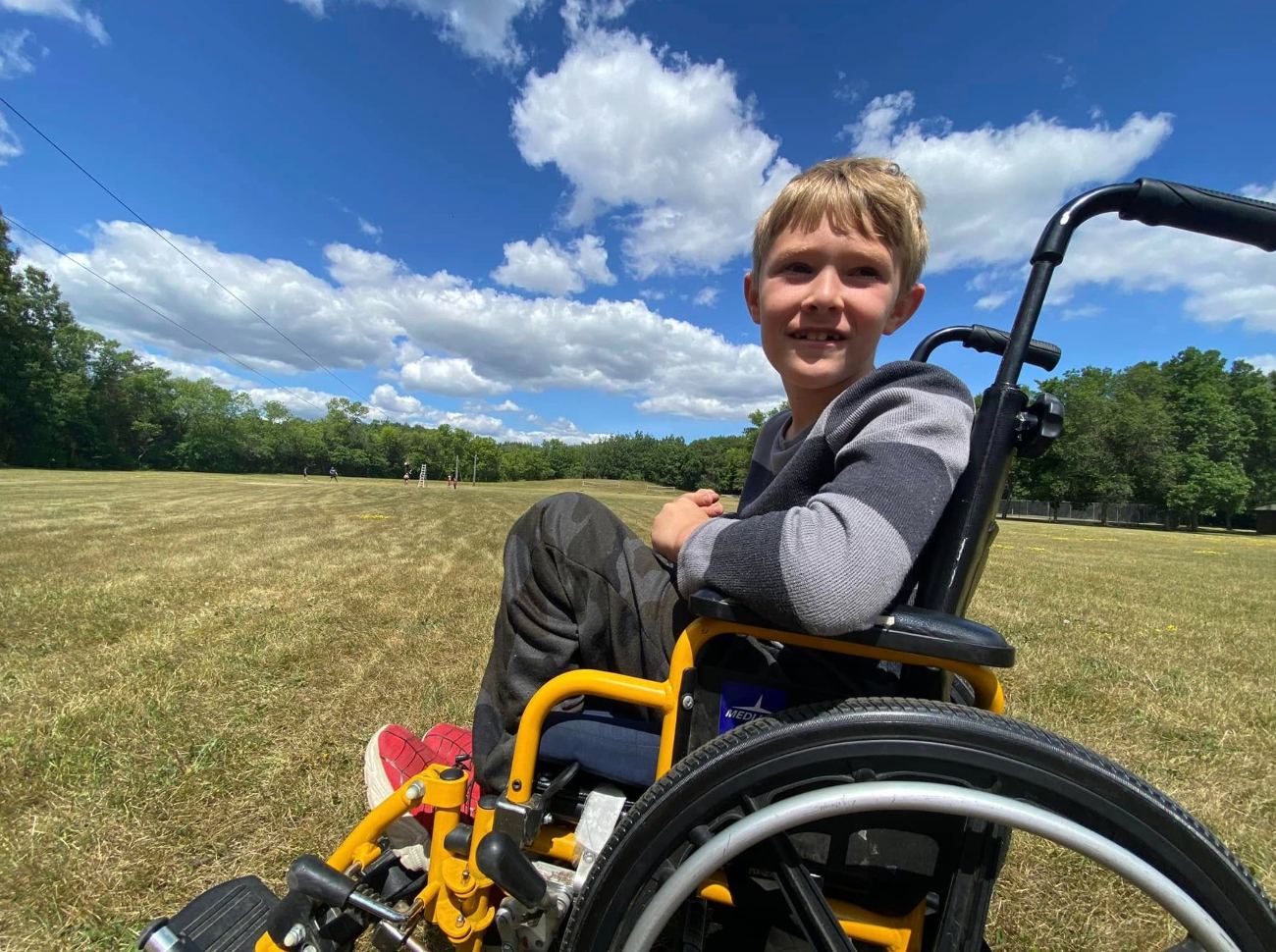
Thousands of kids. One community that shows up. Every gift keeps these days coming — the friendships, the firsts, the feeling of not being the only one.
Every little bit helps — truly
Please don't let the numbers below give you pause. There's no amount too small — we're grateful for whatever you're able to give, and every single dollar goes to work for Perthes kids. Give what feels right for you.
Gifts beyond dollars
We also welcome in-kind donations — toys, games, arts & crafts, food & snacks, promotional items, prizes, and more for our camps and events. Email us to contribute.
$2,500 helps pay for our field trip day
It helps pay for amusement-park tickets, transportation, lunch, snacks, and wheelchair rentals for an unforgettable day out — we've taken the kids to places like SeaWorld, Six Flags, and Disneyland. Sponsor it in your name, your company's, or in someone's memory.
Sponsor the field trip day →Amounts reflect what these things cost at Camp Perthes USA. Our UK, Australia/NZ and Español chapters run on their own local budgets, where costs are usually lower — so a gift often goes further there.
Monthly giving
Become a monthly hero — steady support that lets us plan ahead for every camp.
Employer match
Many employers double your gift. Ask your HR team about matching — it's easy.
Legacy giving
Leave a lasting gift for future Perthes kids. Ask us about including PKF in your will.
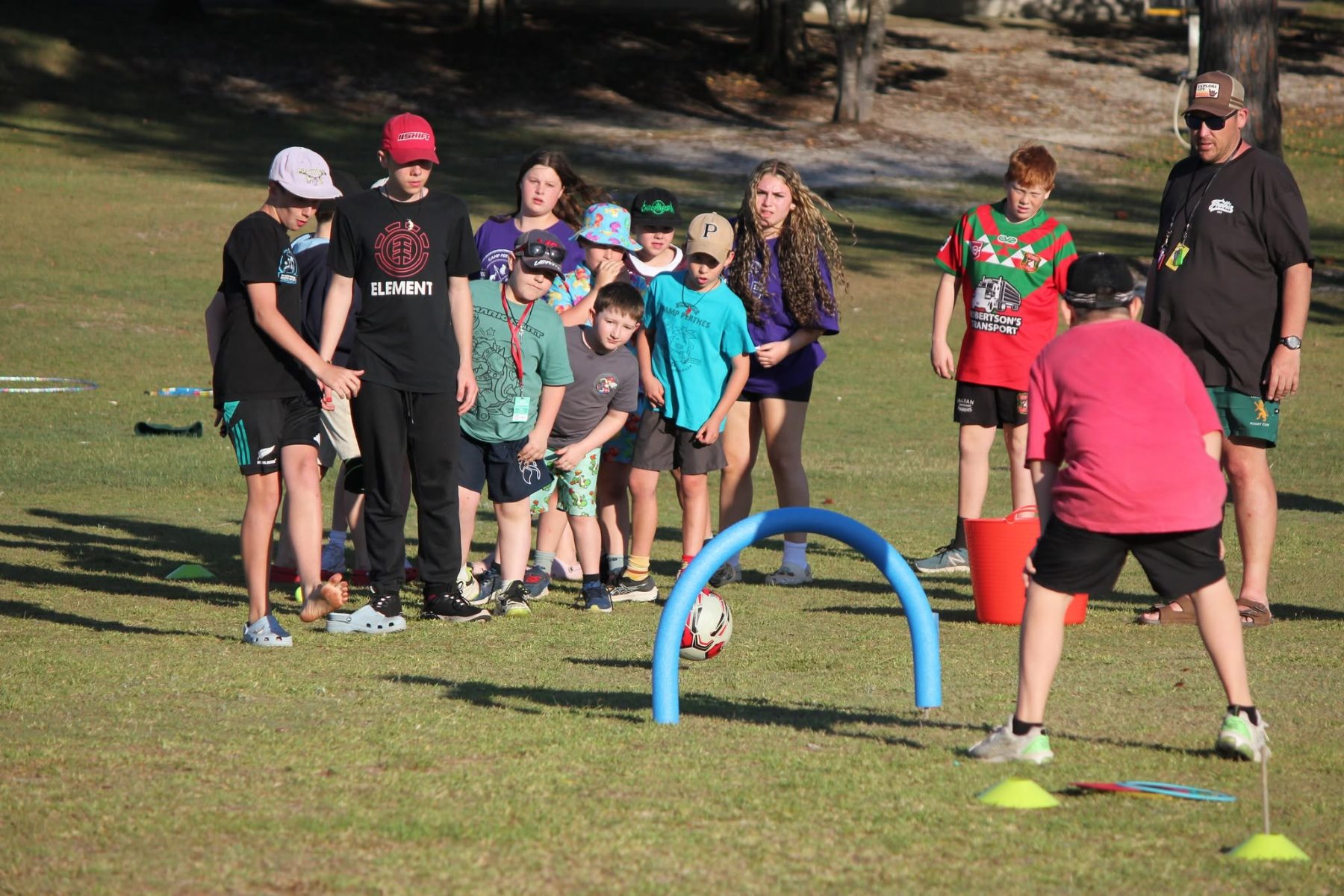
Every dollar, doing real work
We keep it simple and honest: gifts fund programs families can feel. Here's roughly how it breaks down.
Scholarships, field-trip days, and the moments that make kids feel un-alone.
Travel to specialists, equipment, and help for families who need it most.
Advancing Perthes research with the IPSG and raising awareness worldwide.
Trusted resources, our bilingual site, and the Family Locator that connects everyone.
Approximate allocations across a typical year; actual mix shifts with need. Audited financials are available on request.
✦
✦
✧
✧
Be the first name here — we're inviting founding corporate partners to help lead the way for Perthes families worldwide.
Accountable to every family
We're a volunteer-driven 501(c)(3) nonprofit and a proud member of NORD. We believe the families we serve deserve to see exactly how their trust is used.
See the details
Our financial statements are available to any family, donor, or partner who asks.
Our UK and Australia/NZ chapters are separately registered charities that file in their own countries:
Camp Perthes UK — Charity No. 1188505 ↗
PKF Australia & New Zealand — ACNC register ↗
Prefer another way to give?
We gladly accept gifts by check, donor-advised funds, stock, and in-kind support. Two quieter ones worth knowing: many employers match their staff's donations, which doubles your gift for the price of a form, and a gift in your will costs nothing today. Ask us for the details and we'll make either easy.
Our story
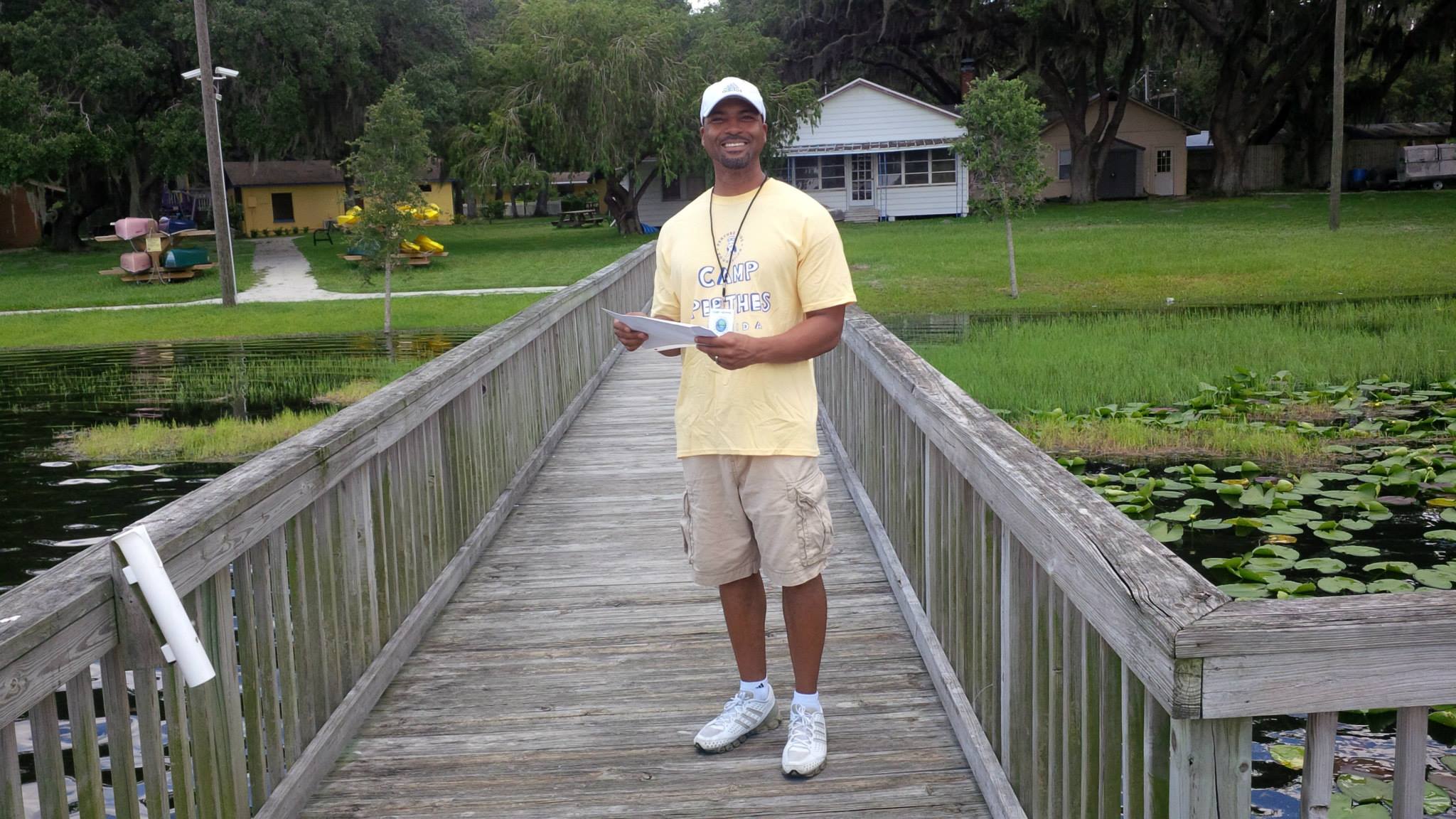
Perthes Kids Foundation began in 2007, when Earl Cole — diagnosed with Legg-Calvé-Perthes disease as a child, and later the winner of CBS's Survivor: Fiji — quietly put part of his prize money toward the families who would come after him. He'd spent his own childhood in wheelchairs, casts, and leg braces without ever meeting another kid who understood, and decided no child should have to do that alone. He still shows up for the families — at camp, in conversations with parents, in talks and podcasts alongside Perthes doctors — and served a term as California State Ambassador for the National Organization for Rare Disorders (NORD).
In 2015, PKF became an independent nonprofit dedicated solely to Perthes. Today, with a community 20,000+ strong, we are the leading organization connecting parents, kids, doctors, and adults with Perthes across the globe — to advocate, educate, and support one another.
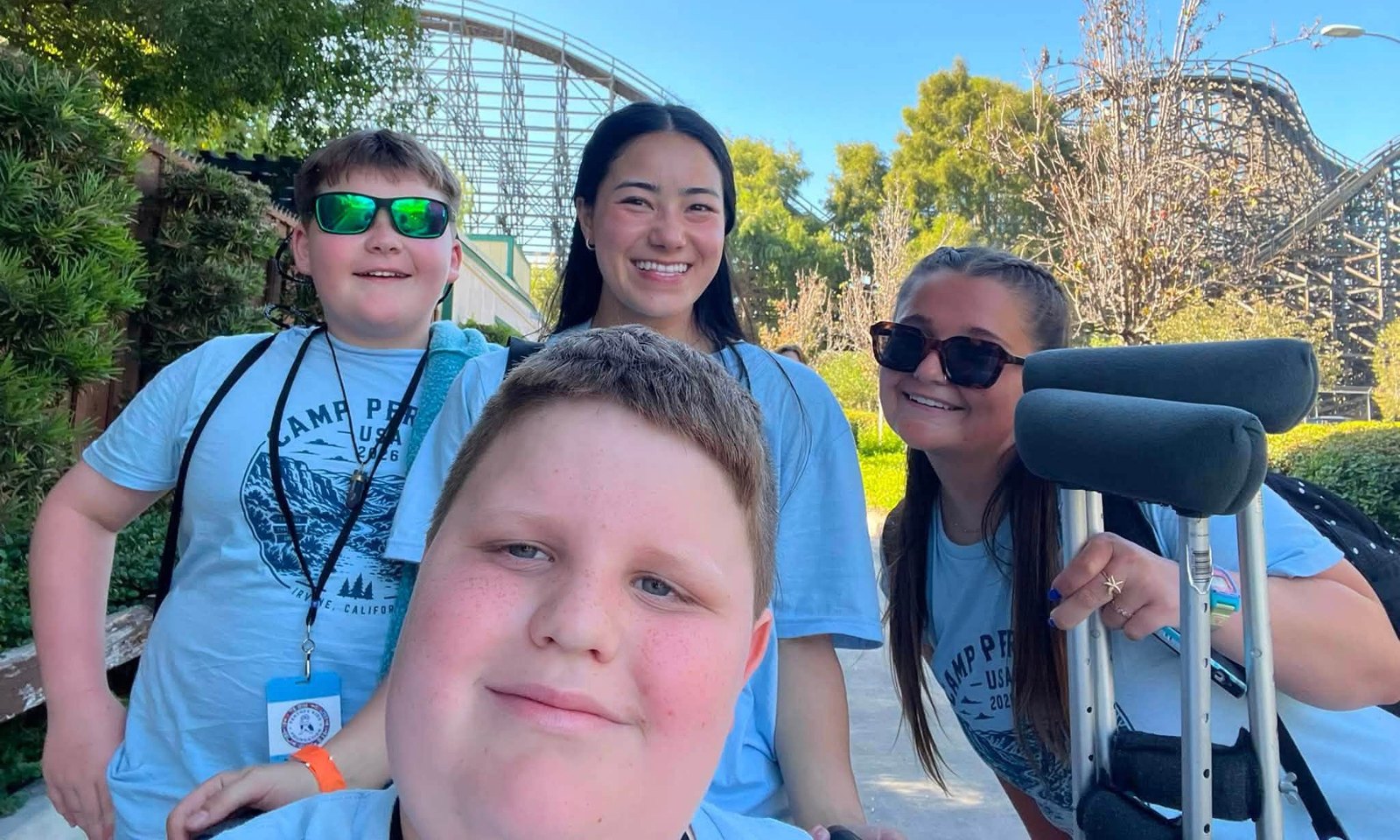
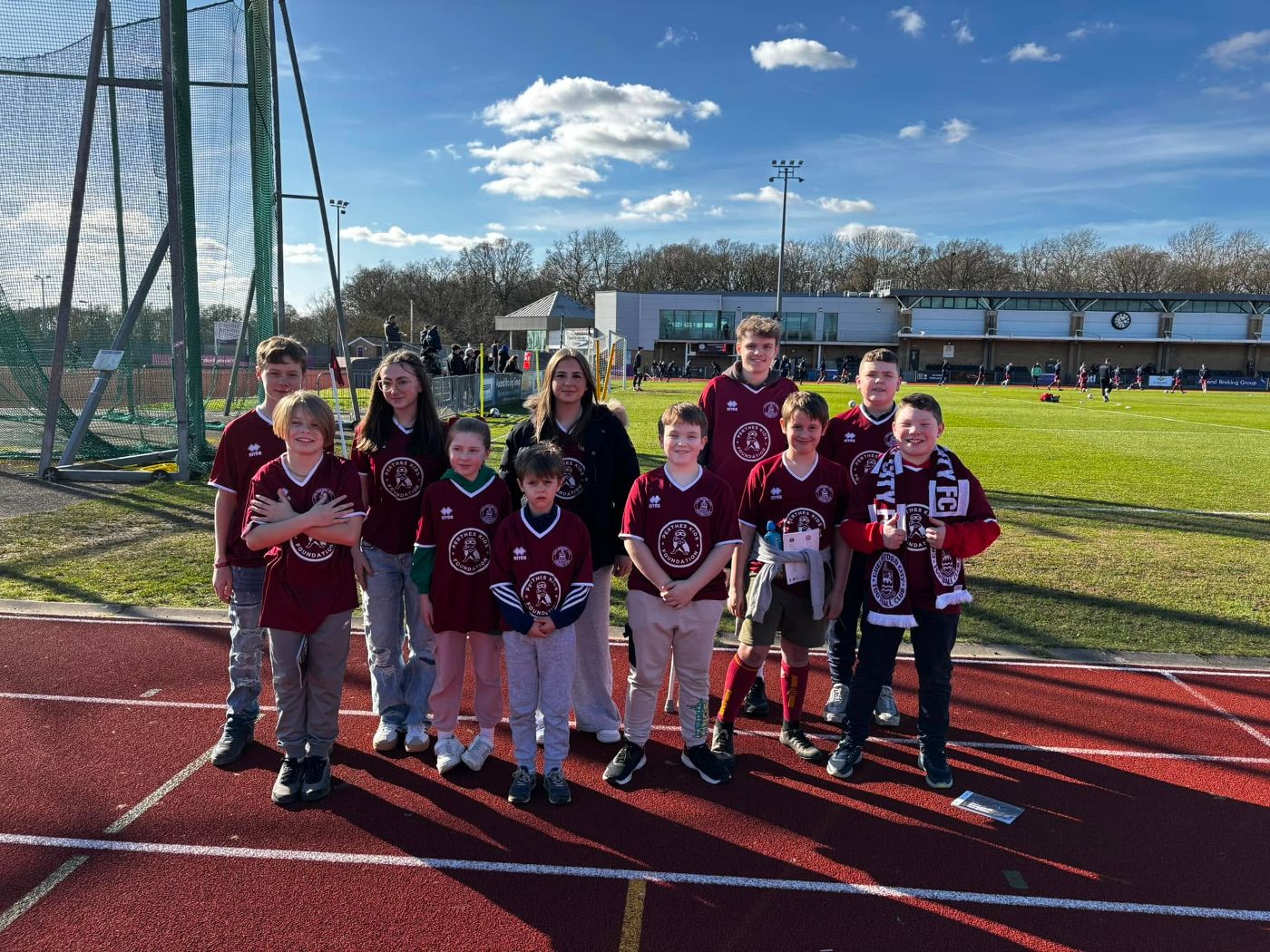
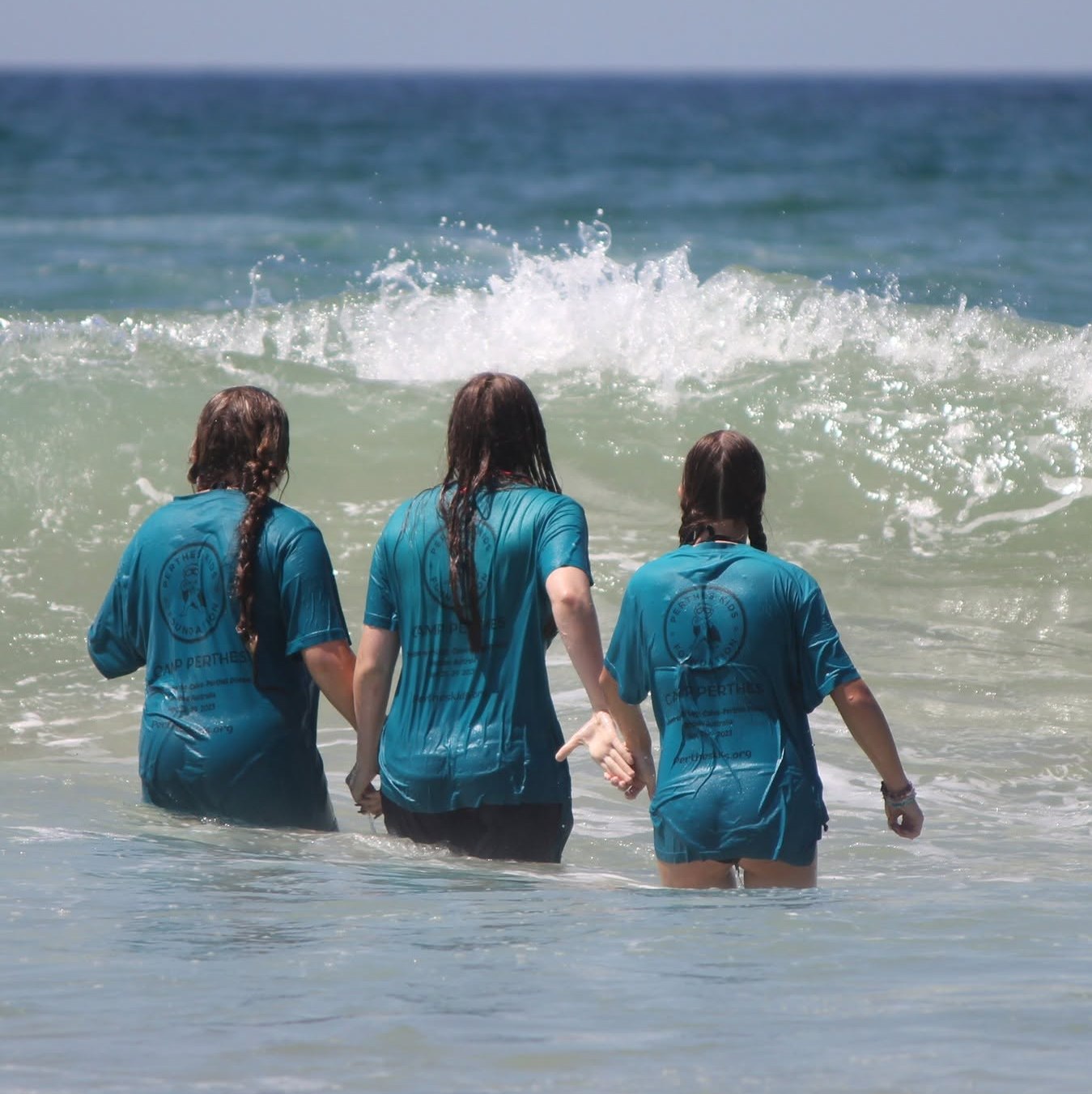
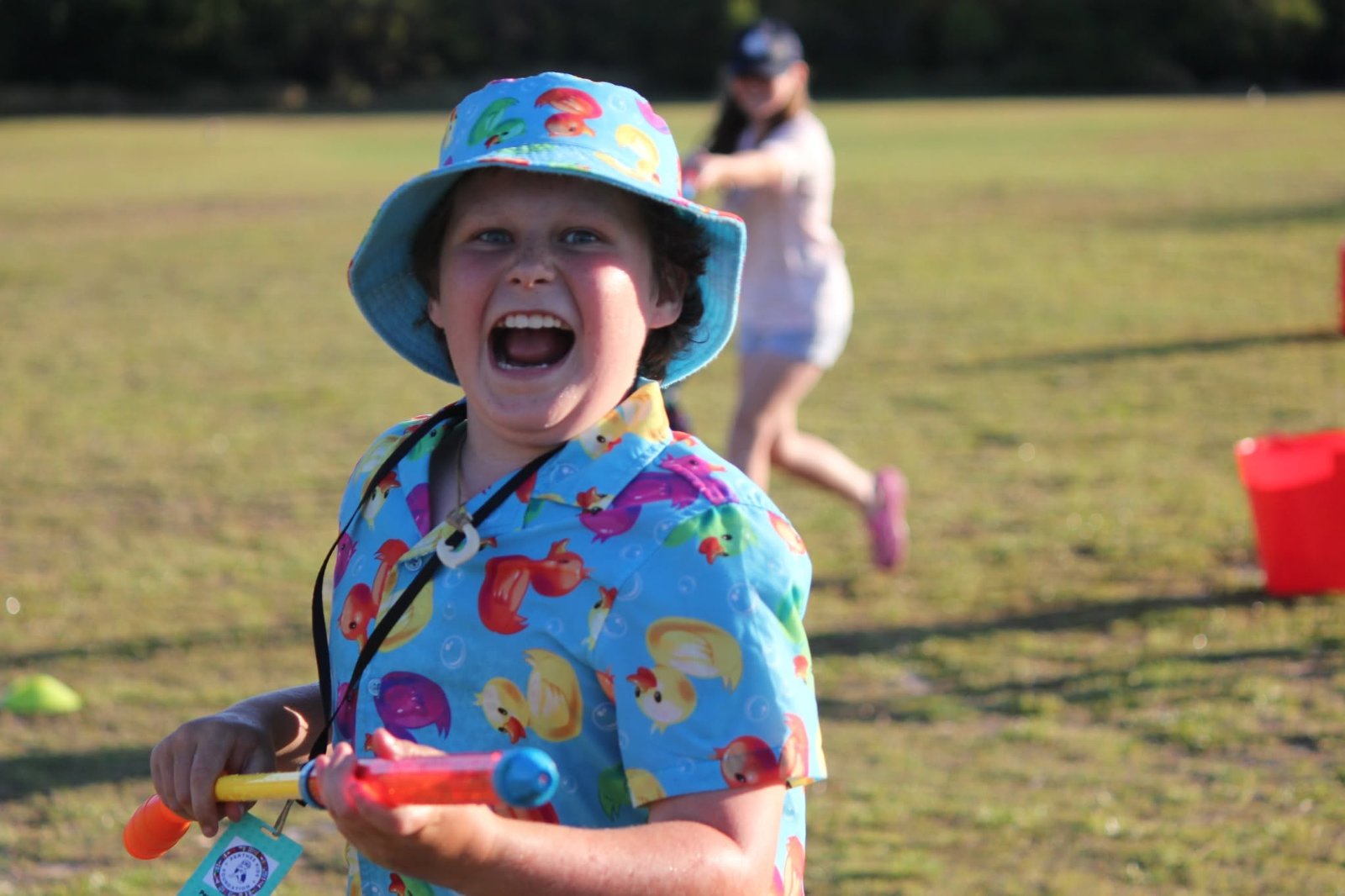
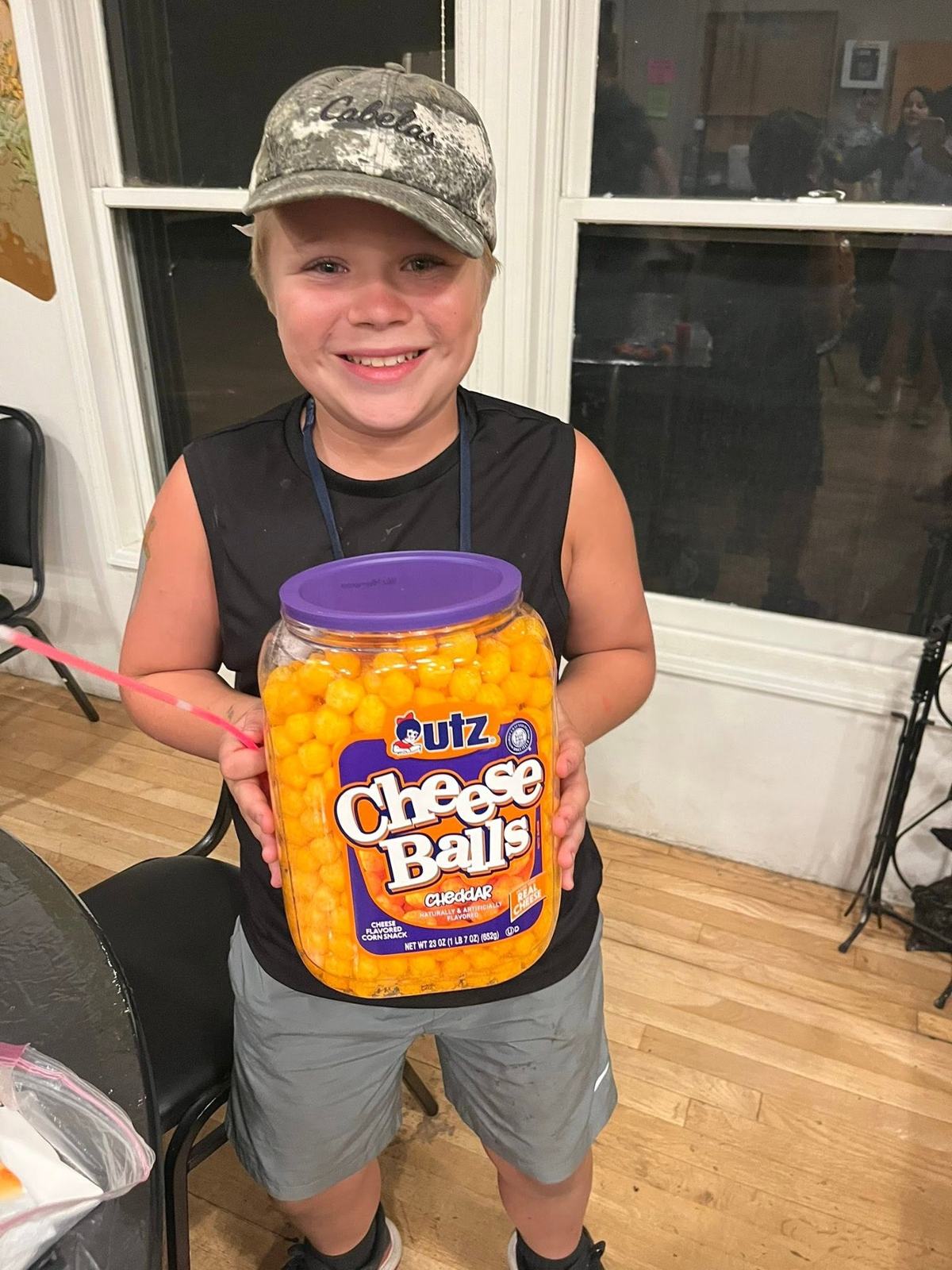
From one kid's story to a global family
Tap a moment to walk through how it all grew.
{{ msBody }}
Our commitment
A wide-encompassing approach to combating the disease.
Health
The mental, physical, and emotional health of every child comes first.
Leadership
Led by those who've lived it, with medical and corporate expertise on our board.
Education
Staying current with the latest studies so we can share what matters most.
Action
Real-world action — camps, support, and funding research toward a cure.
A worldwide family
Four chapters and a growing global reach — one Perthes family, all with the same superhero.
Leadership & Medical Board
Our work is guided by leading pediatric hip surgeons — several of them members of the International Perthes Study Group (IPSG) — alongside clinicians, counselors, and advocates. This is the medical credibility behind everything you read here.
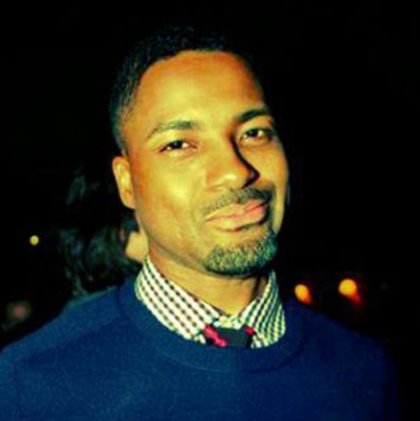
Earl Cole
Former Perthes patient and Executive Director of Camp Perthes International.
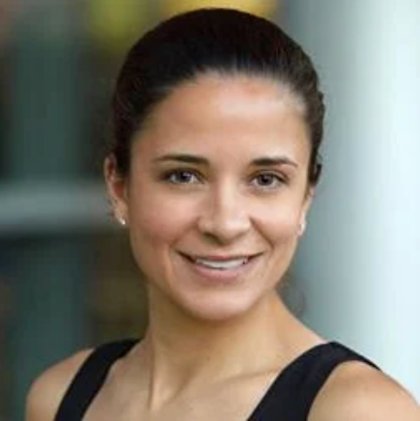
Rachel Goldstein, MD, MPH
Director, Hip Preservation Program, Children's Hospital Los Angeles.
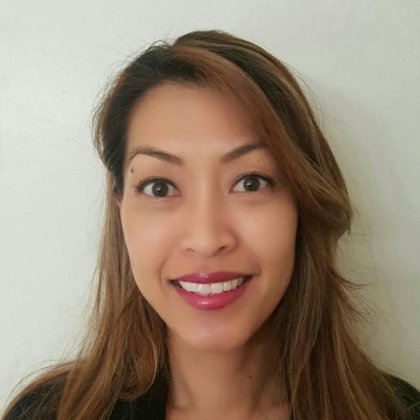
Shelley Cole, PharmD
Leads camp medication safety and parent counseling on pain management.
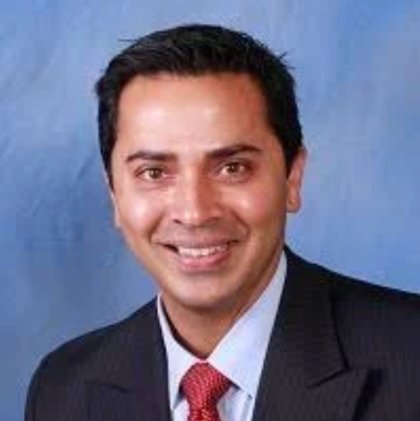
Salil Upasani, MD
Co-Director, Int'l Center for Pediatric & Adolescent Hip Disorders, San Diego.
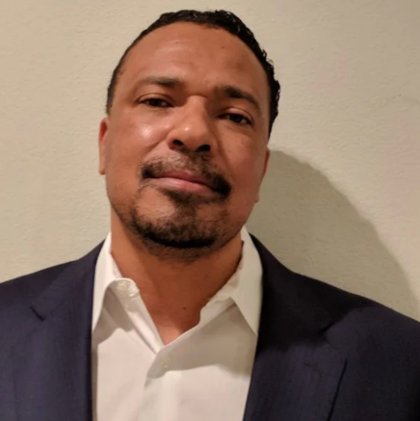
Robert Mason, Esq.
SVP, Business & Legal Affairs — oversees contracts and medical compliance.
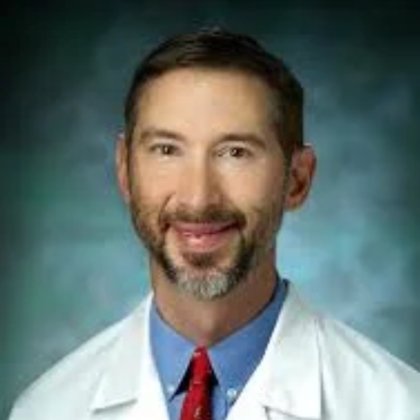
John E. Tis, MD
Pediatric orthopedic surgeon, Johns Hopkins University School of Medicine.
Backed by science
Multiple board members belong to the International Perthes Study Group — the world's leading Perthes research collaborative.
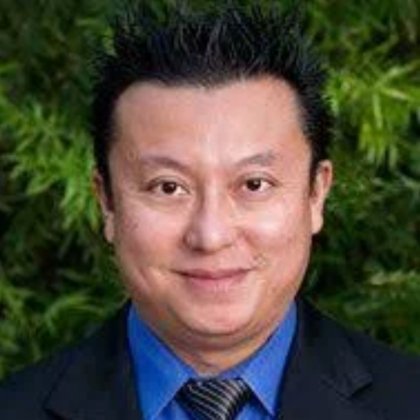
Jack Kuo, MD
Director of Psychiatry — supporting the emotional side of the Perthes journey.
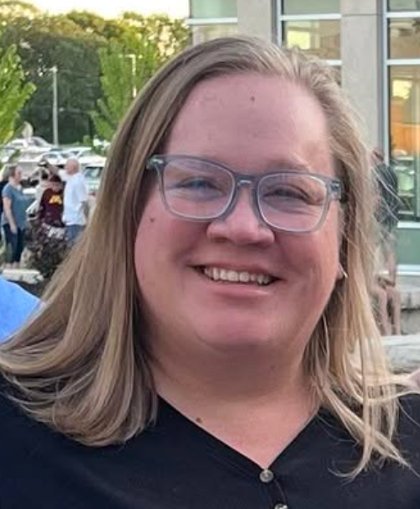
Sara Clark
Educator, global ambassador, and Camp Perthes volunteer since 2014.
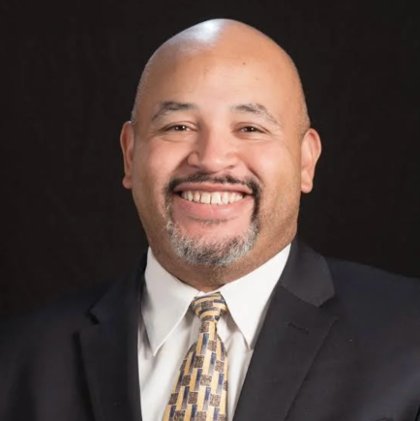
Reginald Wright
Nonprofit operations and government-grade budget and compliance expertise.
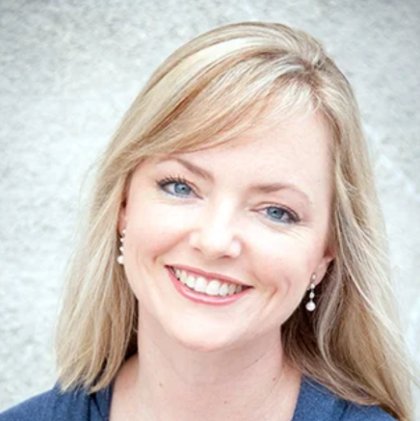
Lori Kennedy, MS, LPC
Licensed counselor, play therapist, and Camp Perthes volunteer since 2014.
Claudia Giffuni
Leading Niños Con Perthes and our Spanish-speaking community across Latin America.
Julie Woods
Guiding Camp Perthes and family support across Australia and New Zealand.
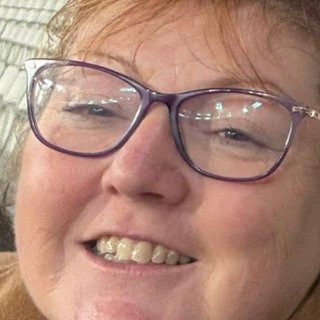
Nerylee Johnson
Supporting Perthes families and camp organisation Down Under.
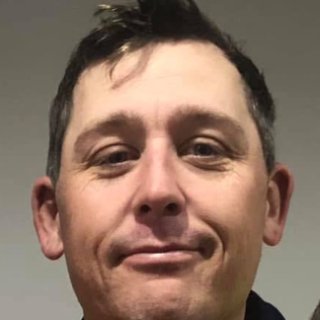
Todd Langthorne
Supporting Camp Perthes and Perthes families across Australia and New Zealand.
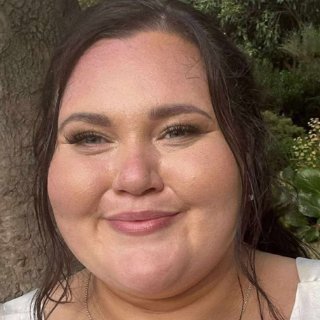
Megan Ward
Helping lead Camp Perthes UK and our British Perthes community.
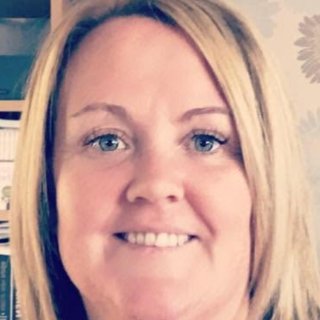
Elaine Kerr
Registered nurse supporting UK families and the annual Camp Perthes UK programme.
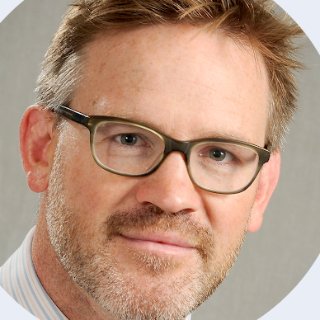
Alexander Aarvold, MD
Paediatric orthopaedic surgeon supporting Camp Perthes UK and our British community.
Led by people who care
Every chapter is run by volunteers in their own country — Perthes parents, adults who had Perthes, nurses and surgeons who know the journey firsthand.
Donate
Make a real difference — even help send a kid to camp. All gifts are tax-deductible.
Volunteer
Join a camp, become a Global Ambassador, or lend your skills. Especially meaningful for adults who had Perthes.
Connect
Join our social communities and follow current Perthes research to stay connected and help move it forward.
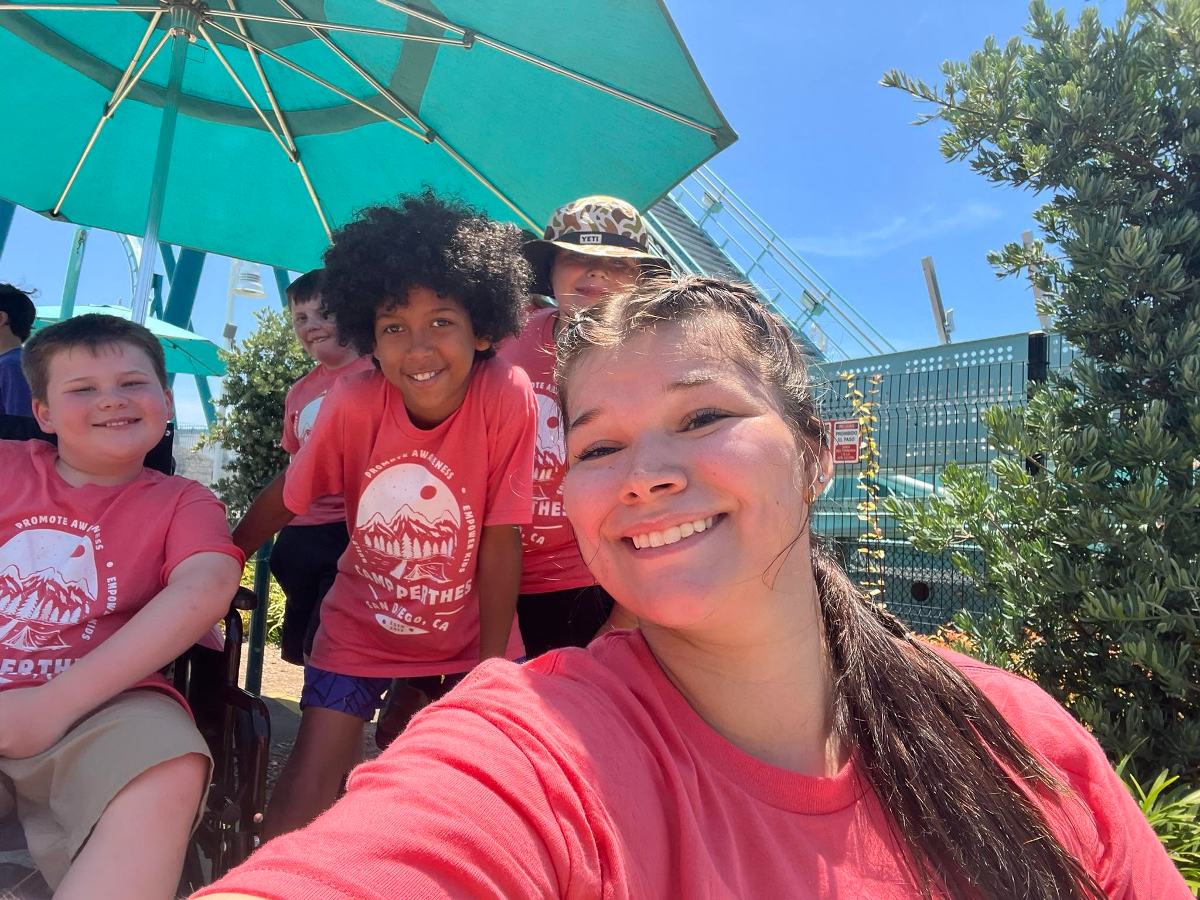
Give your time, change a kid's year
Whether you can give a week at camp or an hour from your couch, there's a role for you. Volunteering means the most to the kids when it comes from adults who had Perthes themselves.
Camp Perthes crew
Spend a week as a cabin leader, activity helper, or medical volunteer. Training provided — heart required.
Join the camp crew →Counselor-in-Training
Teens 16–18 who've attended two or more camps can grow into leaders through our CIT program — the first step toward joining the camp crew.
Grow into a CIT →Global Ambassador
Raise awareness and connect families in your city or country. Flexible, remote-friendly, and yes — there are perks.
See the program →Skills & pro bono
Designers, writers, health pros, translators, event planners — lend the skills you already have, on your schedule.
Offer your skills →🌟 About the Global Ambassador Program →
The Global Ambassador Program
Our Global Ambassadors increase awareness of Legg-Calvé-Perthes Disease and Perthes Kids Foundation through personal advocacy. It's how we reach families far from any camp — someone becoming the Perthes community in their own city, region, or country. This role is reserved for experienced volunteers, community leaders, influencers, and genuinely passionate advocates.
As an Ambassador, you
- Represent PKF in your community and beyond
- Raise awareness and connect local families
- Spark and support fundraising opportunities
- Promote our programs, events, and advocacy
- Keep the PKF director looped in on your work
What PKF provides
- Access to our global social media channels
- Some financial support for your efforts
- Expert guidance for awareness & fundraising
- Early access to PKF news and opportunities
- Chances to host events & volunteer at camps
Because ambassadors represent the foundation publicly, this is a vetted role: applicants provide two personal references (not family) and complete a background/safeguarding check. We're looking for people who really want it.
Volunteers who love what they do
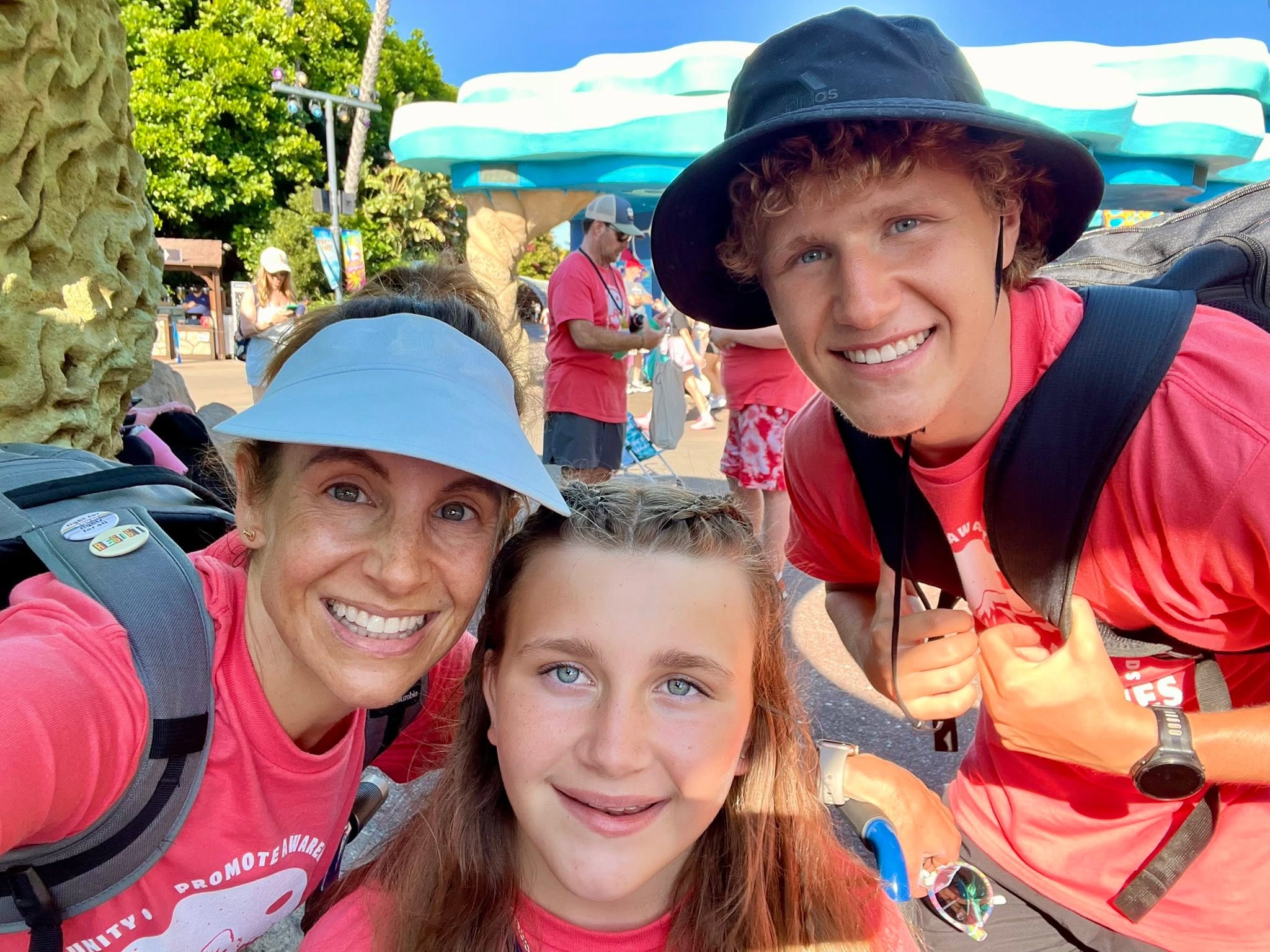
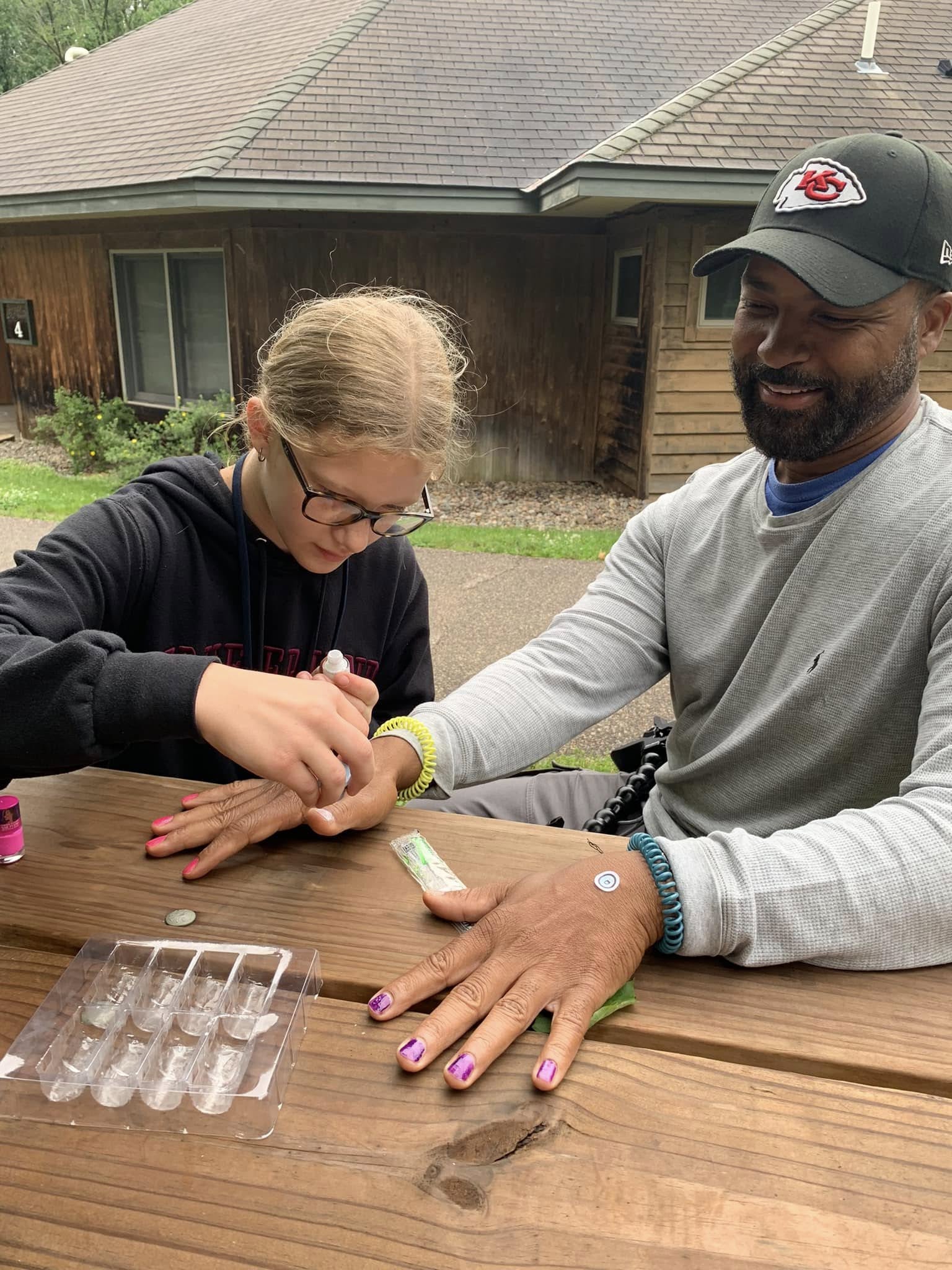
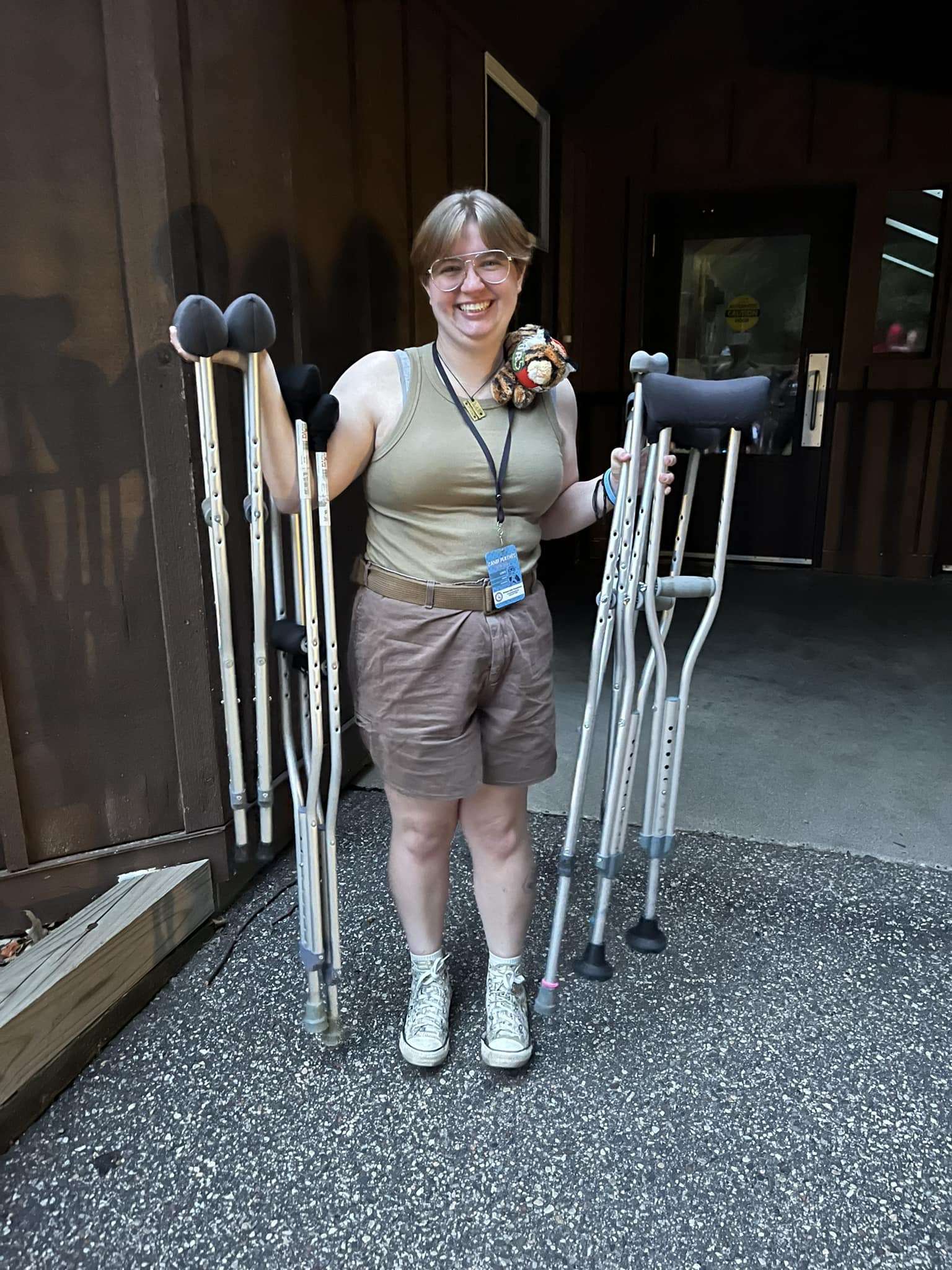
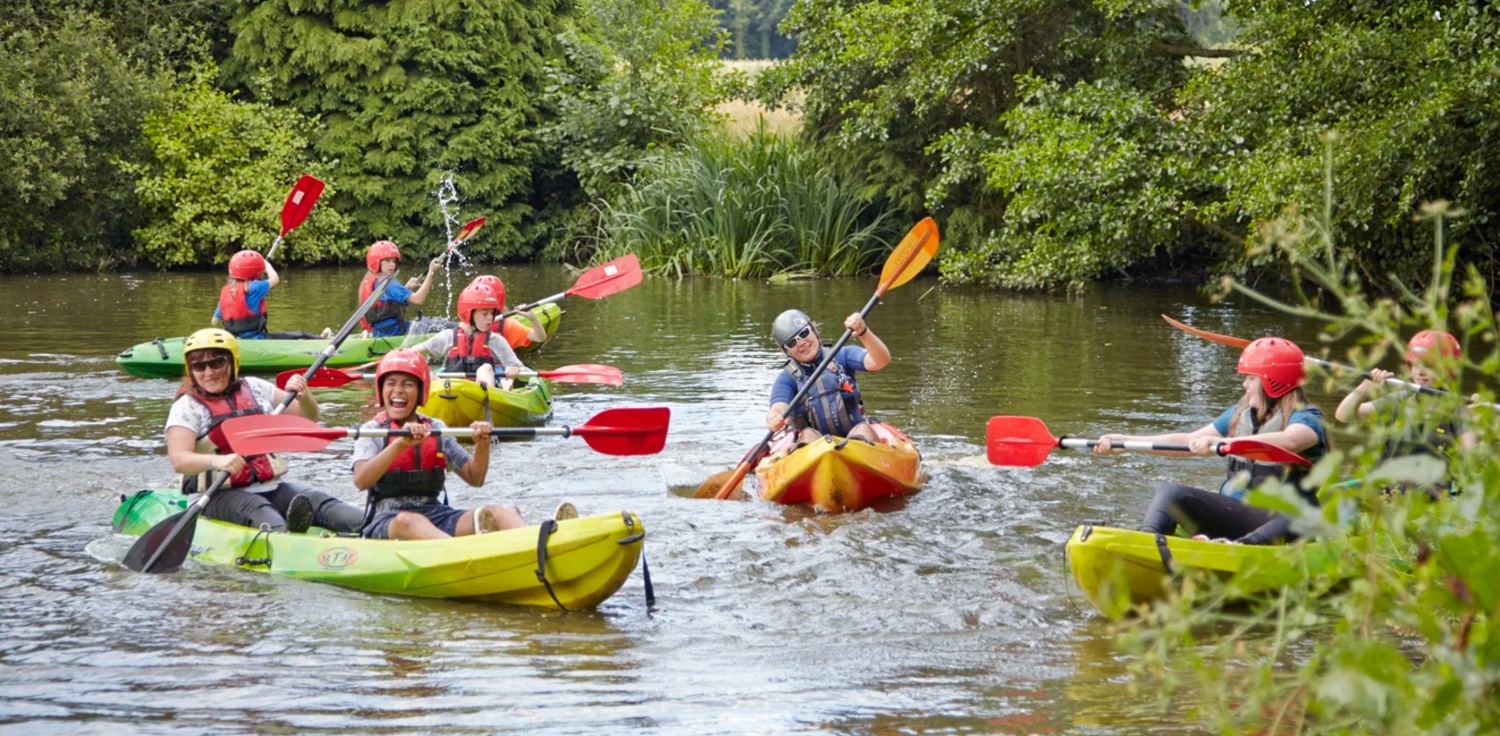
Our volunteers are adults who had Perthes and parents who've been there — giving their whole hearts, one camper at a time. 💛
I had Perthes as a kid and felt so alone. Volunteering at camp is my way of making sure no child feels that way again — I leave every summer with a fuller heart.
Watching my daughter meet other kids who limp like her changed everything. Now I help run our local meetups so more families feel that relief sooner.
I gave a few weekends designing flyers and it turned into years. You don't need medical skills — just a willingness to show up for these incredible kids.
Interested in volunteering?
Applications aren't open right now — but we'd love to know you're interested. Leave your details and we'll reach out when volunteer opportunities open up. Our volunteers come from every walk of life — doctors, teachers, coaches, nurses, therapists, firefighters, coders and more — and adults who had Perthes as a kid are especially encouraged.
Form not loading? Open it in a new tab →
Raise money your way, for Perthes kids
Turn a birthday, a race, or a school dress-down day into camp scholarships and family support. Everything below is self-serve — you can start in about ten minutes, and the money reaches PKF automatically. No forms, no waiting on us.
Pick your idea
Anything you were already going to do — a birthday, a race, a bake sale — works.
Set it up
Use one of the platforms below. PKF is already connected to each one, so donations come straight to us.
Tell your story
Grab the free toolkit for logos, facts, and words you can copy and paste.
Need an idea?
Ask for donations instead of gifts.
Dedicate your next race to a Warrior.
Classic, and kids love running them.
Rally your school or workplace.
Where to set it up
PKF is a registered charity on each of these — you just search for us and select us, and donations come straight to the foundation. Showing the platforms available in your region.
{{ fundraiseNote }}
Pick a goal that means something
People give more when they know what the number buys. Borrow one of these:
Amounts reflect USA costs; our regional chapters run on lower local budgets.
The free fundraiser toolkit
Two pages you can print or keep on your phone. Inside:
Opens in a new tab — print it or save it as a PDF.
A few house rules: please don't accept cash or cheques made out to Perthes Kids Foundation — send people to one of the platforms above so every gift is receipted properly. Donors get their tax receipt from the platform they gave through, not from PKF. Using the PKF name and logo for a fundraiser like these is welcome; anything commercial needs a quick email first.
Get the Perthes Brief
Quick updates on camps, fundraising, research, and special events — straight to your inbox.
We email a few times a year and never share your details.
Send us a message
Reach us by email
We're a global, volunteer-run nonprofit and work primarily online — email is the fastest way to reach us.
{{ chapterEmail }}
📮 Prefer to donate by check? Email us and we'll share our mailing address.
We're a volunteer team — we usually reply within 2–3 business days.
Federal Tax ID: 47-3841121